
SAHA Bulletin
TOLUN Deep Strike Munition Family Scores Direct Hits on All Three Targets from AKINCI Before 15 Nations
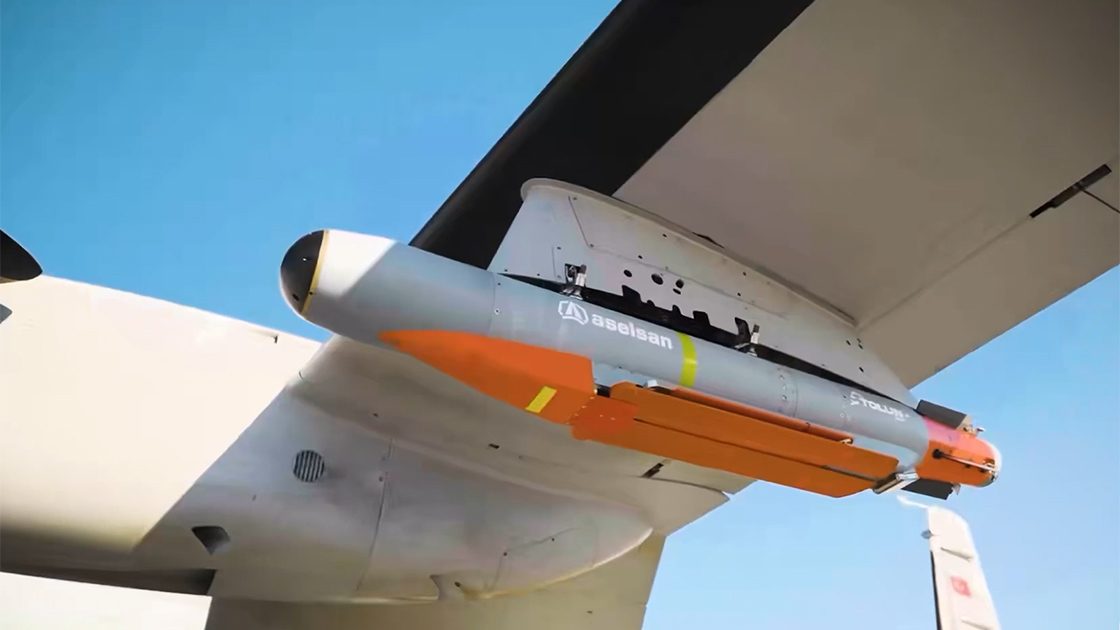
The TOLUN Deep Strike Munition Family developed by ASELSAN has once again proven its effectiveness, hitting different target profiles with full accuracy in firing tests from a Bayraktar AKINCI. The firings were carried out as part of the Guidance Systems International Demonstration, held on 1 September 2026 at the Konya Karapınar Firing Test Range with the participation of military officials from more than 15 countries.
During the demonstration, three different configurations of the TOLUN family were fired in turn: TOLUN I with an impact fuze and fragmentation warhead, TOLUN F with a proximity sensor and fragmentation warhead, and TOLUN P with a programmable time-delay fuze and penetrator warhead. Each was used against a separate class of target in line with its own design philosophy.
TOLUN I — Impact Fuze, Fragmentation Warhead. It scored a direct hit on a container target. With its precision strike capability and fragmentation warhead design, it is used effectively against stationary and moving targets.
TOLUN F — Proximity Sensor, Fragmentation Warhead. It was fired at an armoured personnel carrier with personnel around it. To maximise destructive power on the target, it has an electronic time-delay fuze programmable from the cockpit and a proximity sensor that detonates the warhead at a set distance before the munition strikes the target. Notable for its software that is resistant to GPS spoofing, TOLUN F also has a selectable impact angle.
TOLUN P — Programmable Time-Delay Fuze, Penetrator Warhead. It was fired at a two-storey concrete building target; with its penetrator warhead design and specially shaped penetrating nose, it pierced two floors of concrete and, thanks to its programmable time-delay fuze, destroyed the elements on the targeted level. Fitted with the ASAF hard-target fuze developed by ASELSAN, TOLUN P once again proved its effectiveness against reinforced concrete targets.
The TOLUN family can be loaded in multiples onto air platforms via the SADAK-4T Multiple Ejector Rack, also developed by ASELSAN. This allows simultaneous engagement of single or multiple targets in a single sortie; the munition can operate by day and night and in different weather conditions.
ASELSAN Guidance Kits Score Four Out of Four at Same Demo: LGK-82, LGK-84 and GÖZDE
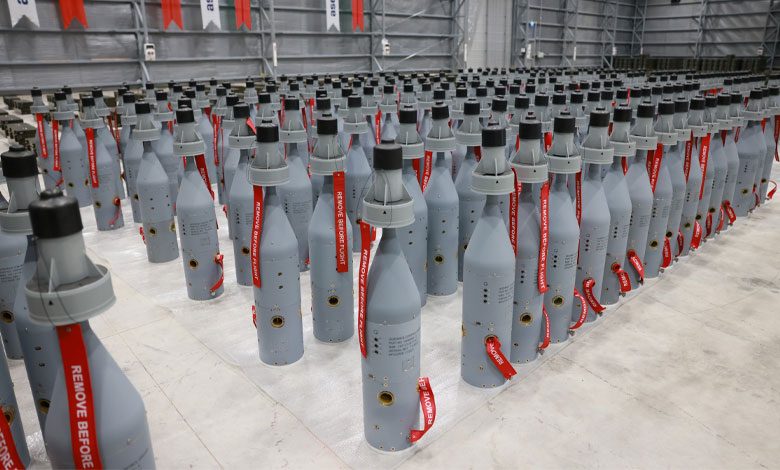
At the same international demonstration in Konya Karapınar, ASELSAN's LGK-82, LGK-84 and GÖZDE guidance kits hit the target in all four of four firings. Two LGK-84s were fired from an F-16 platform, and one LGK-82 and one GÖZDE munition from an AKINCI.
The first LGK-84 hit an armoured personnel carrier target and the second a tank target; the LGK-82 destroyed a second armoured personnel carrier. The GÖZDE munition successfully neutralised a target moving at 50 kilometres per hour, proving the family's moving-target capability. The LGK-82 and LGK-84 once again demonstrated high-precision strike capability against stationary land targets.
Defence and Aerospace Exports Reach $6.3B in Eight Months, 12-Month Total Hits $10.9B
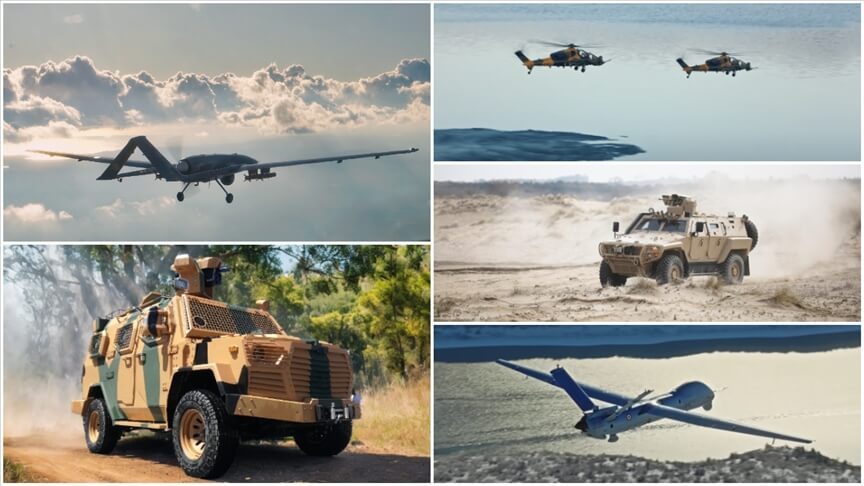
Türkiye's defence and aerospace exports reached $6.3 billion in January–August 2026, up 16.2% on the same period of the previous year, according to data announced by Prof. Dr Haluk Görgün, President of Türkiye's Presidency of Defence Industries (SSB). Exports in August alone were recorded at $511.4 million.
Over the rolling 12-month period, the sector's total exports rose to $10.9 billion. The figures show that the sector's export base and international sales capacity continue to grow, pointing to a growth trend that rests on a broad customer portfolio rather than on single large items.
First T625 GÖKBEY Delivered to General Directorate of Security, 18 Helicopters Planned
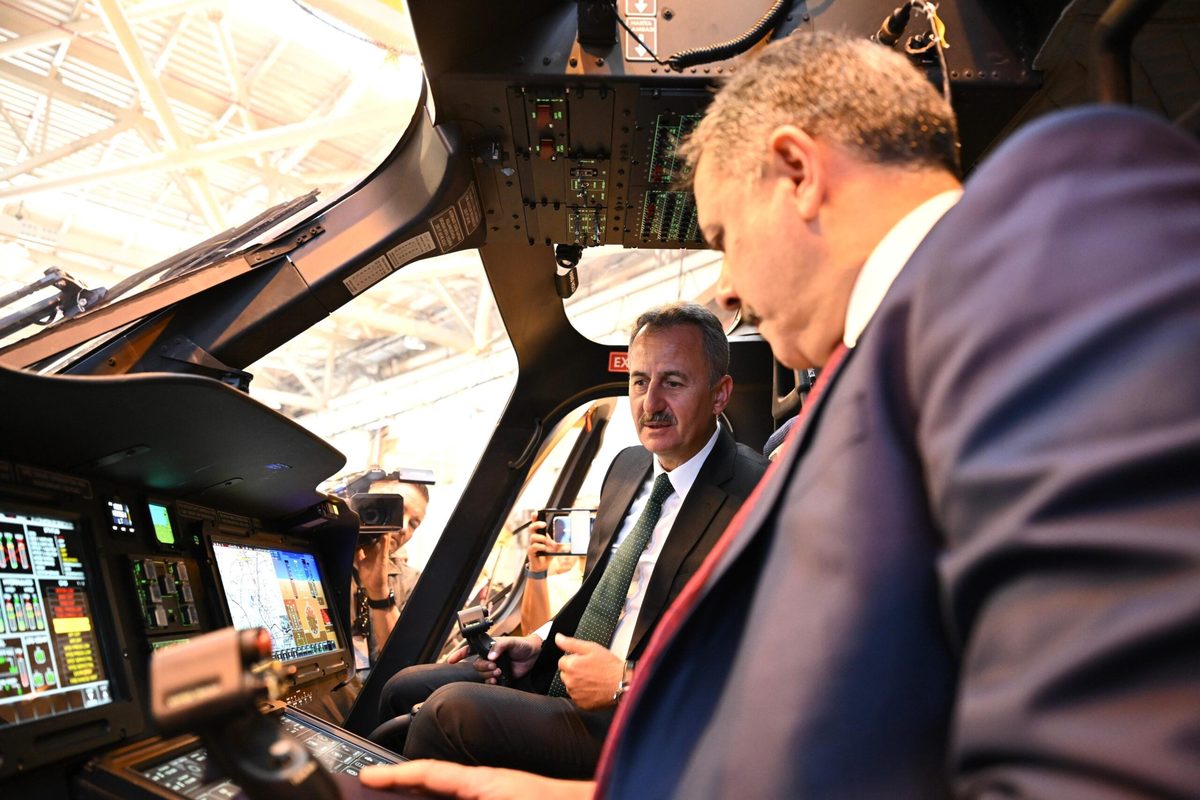
The General Directorate of Security (EGM) has taken delivery of its first T625 GÖKBEY helicopter; a total of 18 helicopters are planned for the organisation. The delivered platform is the eighth helicopter handed over to date under the GÖKBEY programme.
GÖKBEY's entry into the police organisation forms the platform's first major institutional fleet outside military users. Deliveries of the helicopters, which are expected to be used in law enforcement for search and rescue, air support and transport missions, will continue in stages.
All Five Turkish Companies on Defense News "Top 100" List Are SAHA İstanbul Members
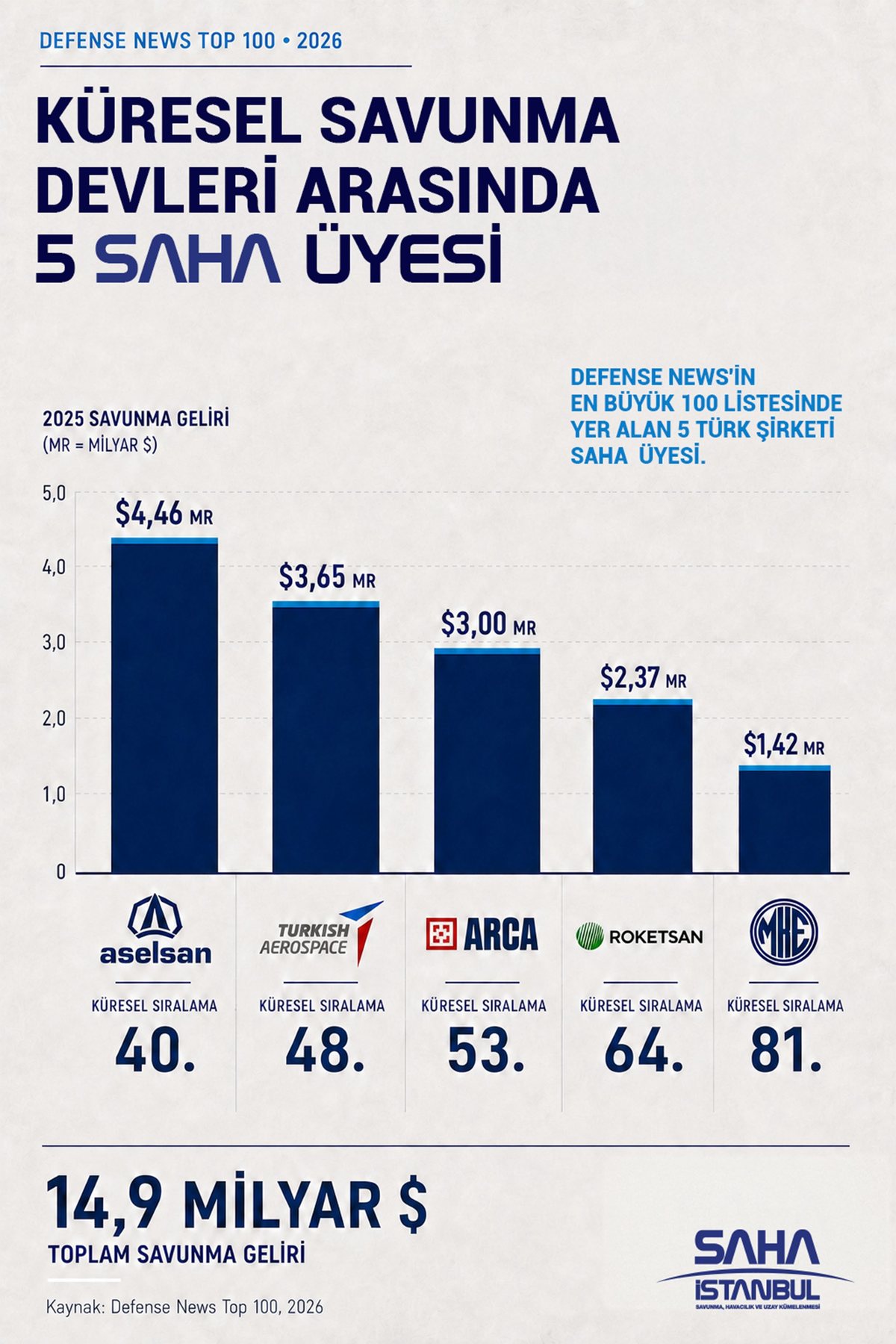
Five Turkish companies feature this year on Defense News' annual "Top 100" list, which ranks the world's 100 largest defence companies by revenue: ASELSAN at 40th, Turkish Aerospace (TUSAŞ) at 48th, ARCA Savunma at 53rd, ROKETSAN at 64th and Makine ve Kimya Endüstrisi (MKE) at 81st. What the names on the list have in common is that all five are SAHA İstanbul members and are directly represented on the cluster's board of directors.
On the SAHA İstanbul Board of Directors, ROKETSAN General Manager Murat İkinci, ASELSAN General Manager Ahmet Akyol and MKE General Manager İlhami Keleş serve as vice chairmen. TUSAŞ General Manager Mehmet Demiroğlu has a stake in the cluster's strategic decisions as a board member; ARCA Savunma, which entered the list for the first time this year, is also represented in SAHA İstanbul's management through board member Özgür Rodoplu.
The five companies' combined 2025 defence revenue reached $14.9 billion; a significant share of this revenue came from exports. By company, the picture is as follows: ASELSAN $4.46 billion, TUSAŞ $3.65 billion, ARCA Savunma $3.00 billion, ROKETSAN $2.37 billion and MKE $1.42 billion. Rising export revenues in recent years were decisive in Turkish companies climbing to higher places in the ranking.
The SAHA International Defence, Aerospace and Space Industry Exhibition organised by SAHA İstanbul also directly feeds this export-oriented growth: export contracts worth around $4.5 billion in 2024 and $8 billion in 2026 were signed at the exhibition. The active role these five prime contractors play in the cluster's management tiers and committees enables them to integrate directly with more than 1,300 SME members; the SMEs' production capacity makes the supply chain more flexible and shortens delivery times.
Türkiye–Saudi Arabia–Pakistan Defence Industry Cooperation Becomes Institutionalised
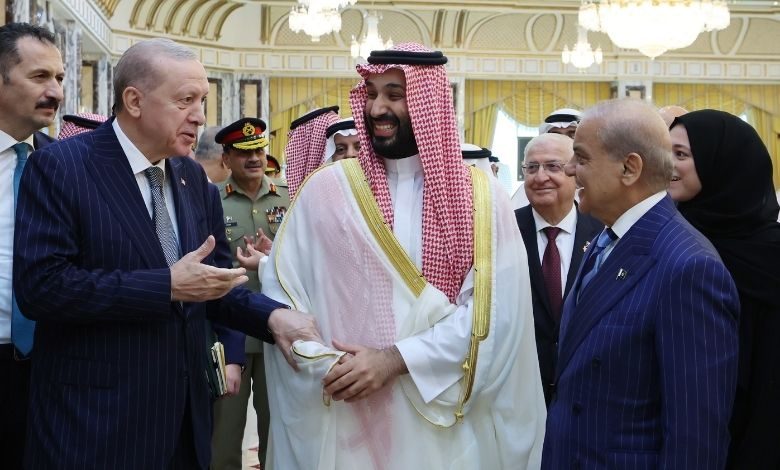
Türkiye, Saudi Arabia and Pakistan have established an institutional cooperation mechanism in the fields of joint production, defence R&D, technology development and interoperability. The Strategic Political and Defence Committee, set up under the Mecca Joint Defence Agreement, met in Istanbul on 31 August 2026.
The plan envisages the three countries' defence industries increasing cooperation in joint technology development and joint production, as well as the establishment of a secretariat in Saudi Arabia to run the process. Whether the mechanism turns into concrete joint programmes is an issue to watch in the coming period.
TCG İZMİR Begins Sea Acceptance Trials, Stands Out with Enlarged MİDLAS Vertical Launch System
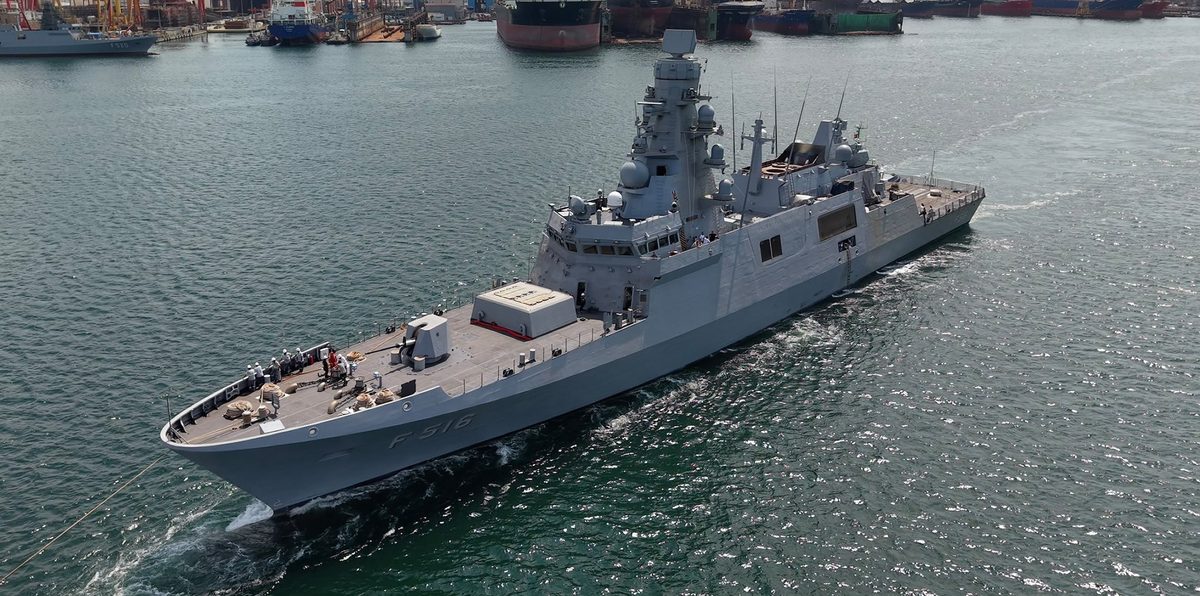
Sea acceptance trials of F-516 TCG İZMİR, the second ship of the İSTİF class and the sixth platform of the MİLGEM programme, began at the end of August; the Ministry of National Defence also confirmed the process in its weekly review. The trials aim to verify the performance of the navigation, manoeuvring, propulsion, electrical and communication systems under different conditions.
The ship's most notable difference from the lead ship TCG İSTANBUL is its strike-length MİDLAS vertical launch system. While the number of cells remains at 16, the cells are longer and wider; this allows extended-range air defence interceptors such as the SİPER family and vertically launched land-attack cruise missiles such as GEZGİN to be carried. On the platform, which has a localisation rate of over 80%, the joint operation of the navigation infrastructure and mission systems is also being assessed as part of the trials.
İSTİF Class Considered in US Navy's Search for New Frigate
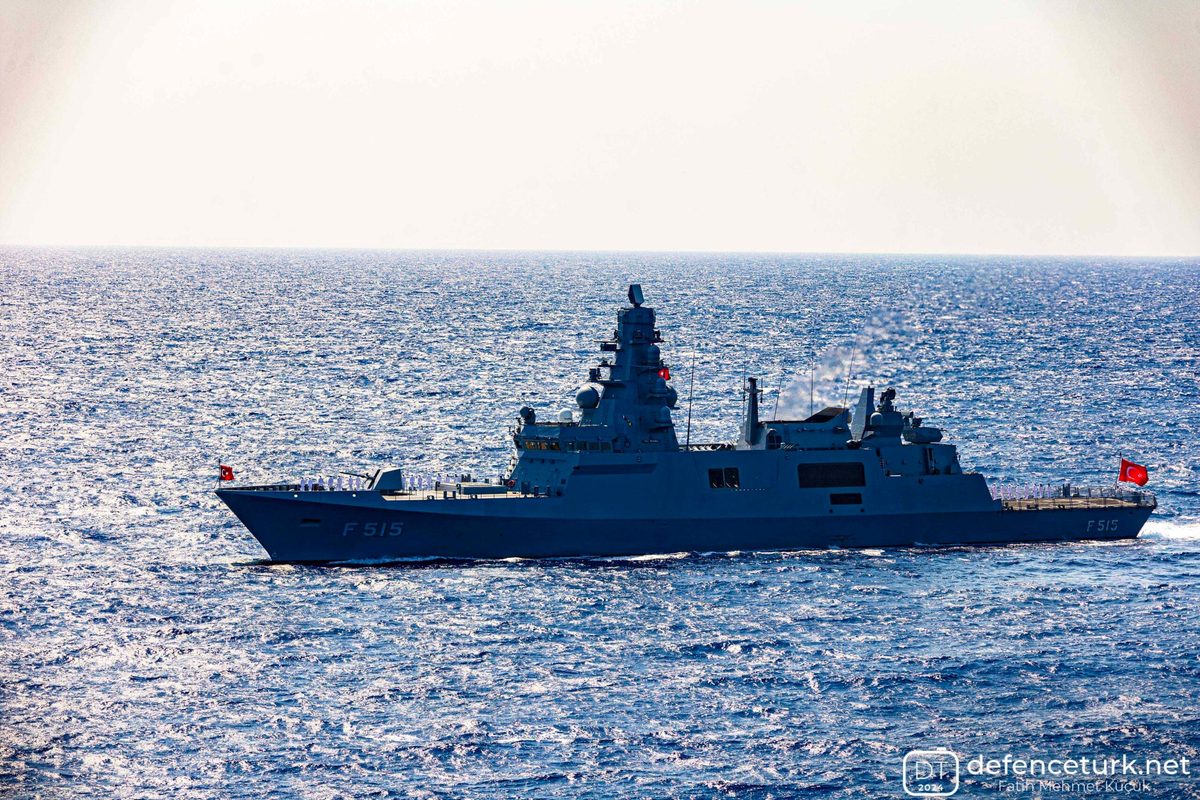
The Turkish İSTİF-class design is reported to be under review among the US Navy's new frigate options. According to the reports, designs from Türkiye, Japan and South Korea are on the same evaluation table.
There is as yet no official selection or order; the process is read less as a procurement decision than as the US Navy turning to mature designs already in production following delays in the Constellation class. Even so, it is a notable development in terms of potential exports.
OMTAS Turreted Armoured Anti-Tank Vehicles and Rigid-Hull Boat Systems Enter Inventory
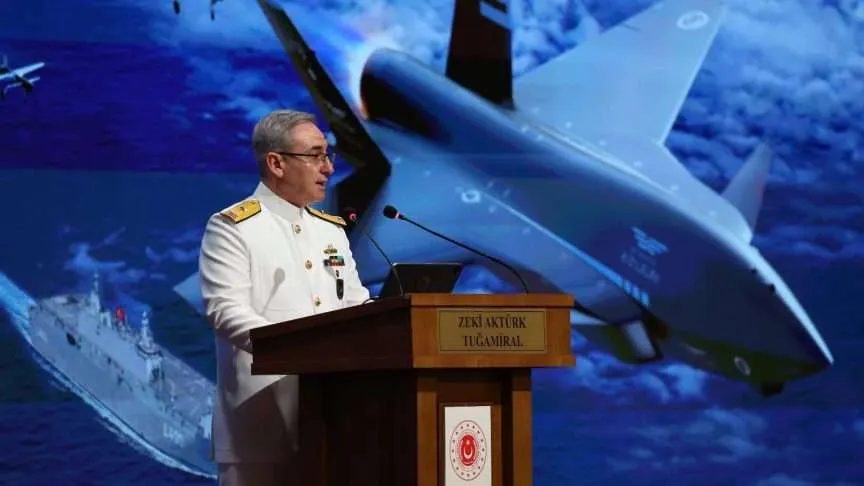
Inspection and acceptance activities have been completed for OMTAS turreted armoured anti-tank vehicles and Rigid-Hull Boat systems for the Land Forces Command; both systems have entered the inventory. The announcement was made at the Ministry of National Defence's weekly press briefing.
The OMTAS turreted armoured anti-tank vehicles entering the inventory are equipped with the medium-range anti-tank system developed against armoured threats on the battlefield. The 17-person rigid-hull boats entering the Land Forces inventory will be used for personnel transfer, short-range logistics support and surface operations.
MKE and Egypt's Ministry of Military Production Sign Joint Production MoU
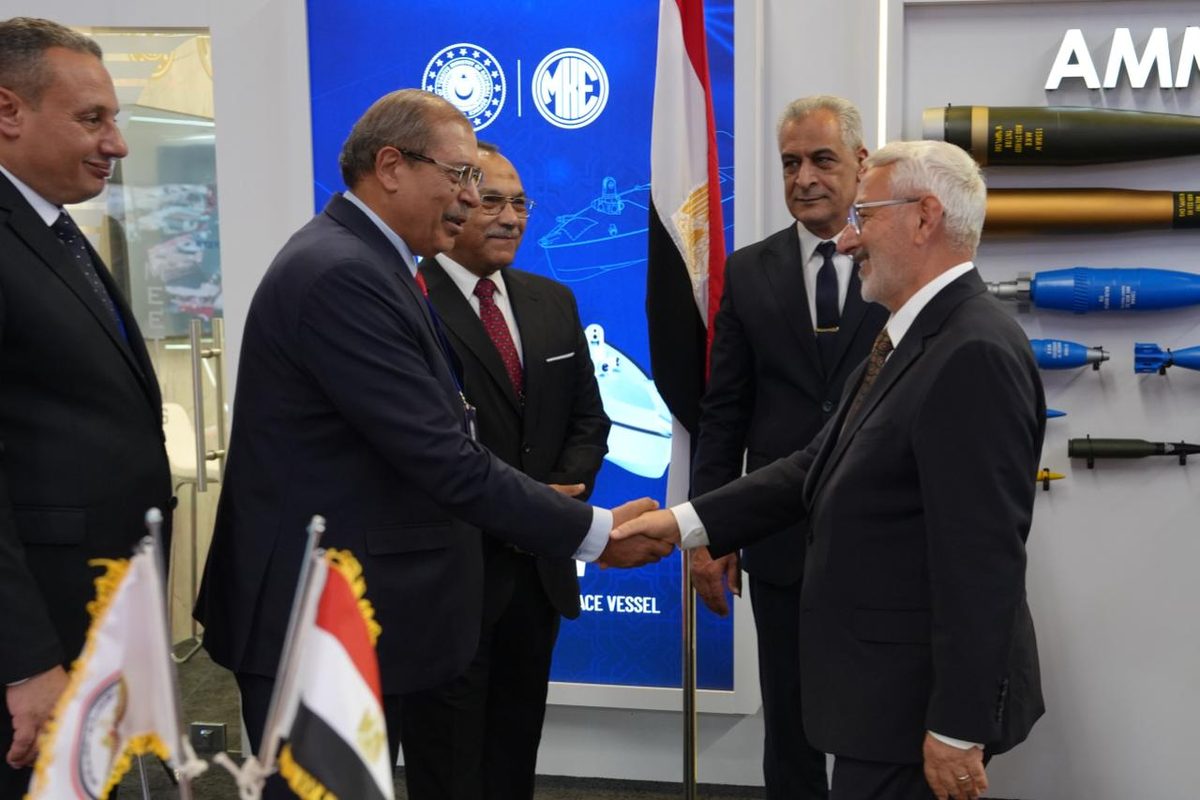
MKE and Egypt's Ministry of Military Production have signed a memorandum of understanding (MoU) covering joint production and defence industry cooperation in various fields, particularly explosives.
The agreement stands out as an initiative to carry MKE's production capability in its ammunition and explosives line into a regional joint production model. Memoranda of understanding do not constitute binding orders; it remains to be seen which of joint facilities, licensed production or technology transfer the process will evolve into.
HÜRJET Evaluated for UK's New Jet Training System
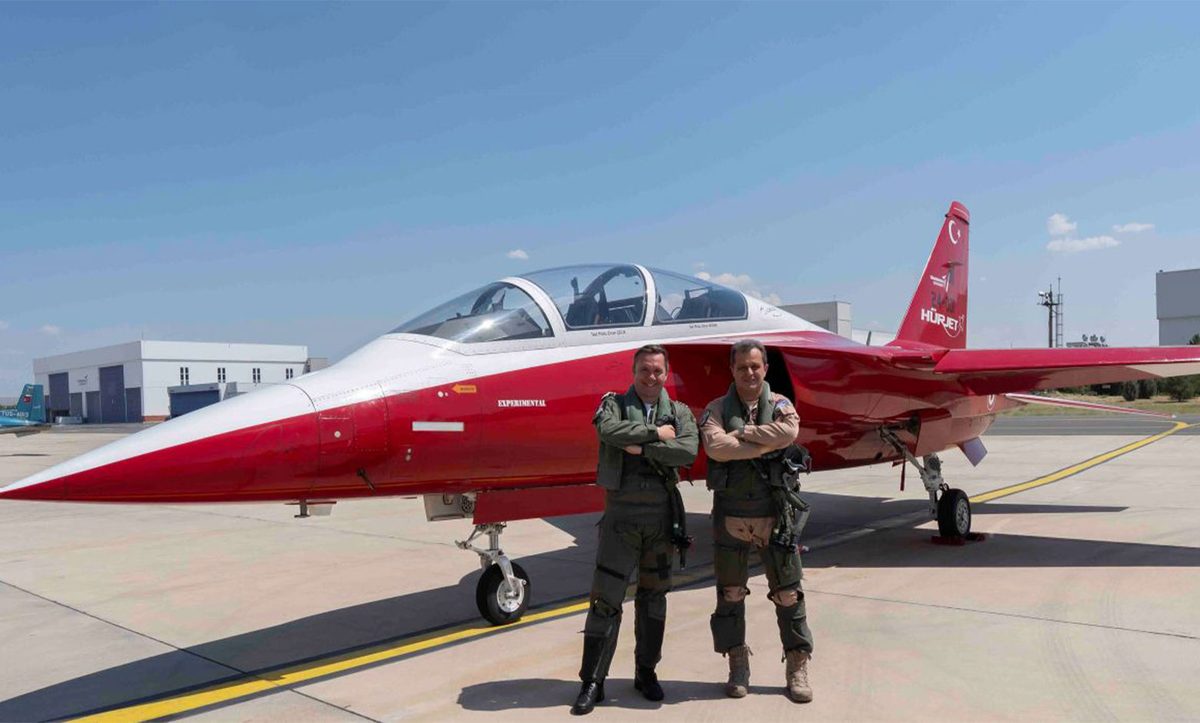
The Ascent Flight Training team, which operates the UK Military Flying Training System (UKMFTS), has inspected HÜRJET at TUSAŞ facilities; the platform was also evaluated by an experienced instructor pilot who flew the F-35B with the Royal Navy for about six years.
Ascent's evaluation tour had previously examined the Italian (M-346) and South Korean (T-50) platforms; Türkiye was the last stop on the route. This is not yet a selection, but it shows that HÜRJET is one of the real candidates in the UK's search for a successor to its ageing Hawk fleet.
HARDKILL-V Counter-Drone Field Process Launched, Systems to Be Tested Comparatively in Polatlı
The HARDKILL-V activity has been announced, in which drone-hunting-drone systems, lasers, kinetic interceptors, GNSS/link jammers and detection systems will be tested comparatively in Polatlı. The activity is planned to take place in the Acıkır/Polatlı area in November 2026.
Participants wishing to include their solutions in the activity have been asked to submit their scenario execution schedules by 14 September 2026. The programme moves Türkiye's counter-UAS procurement away from individual product evaluations towards a more systematic, comparative field evaluation.
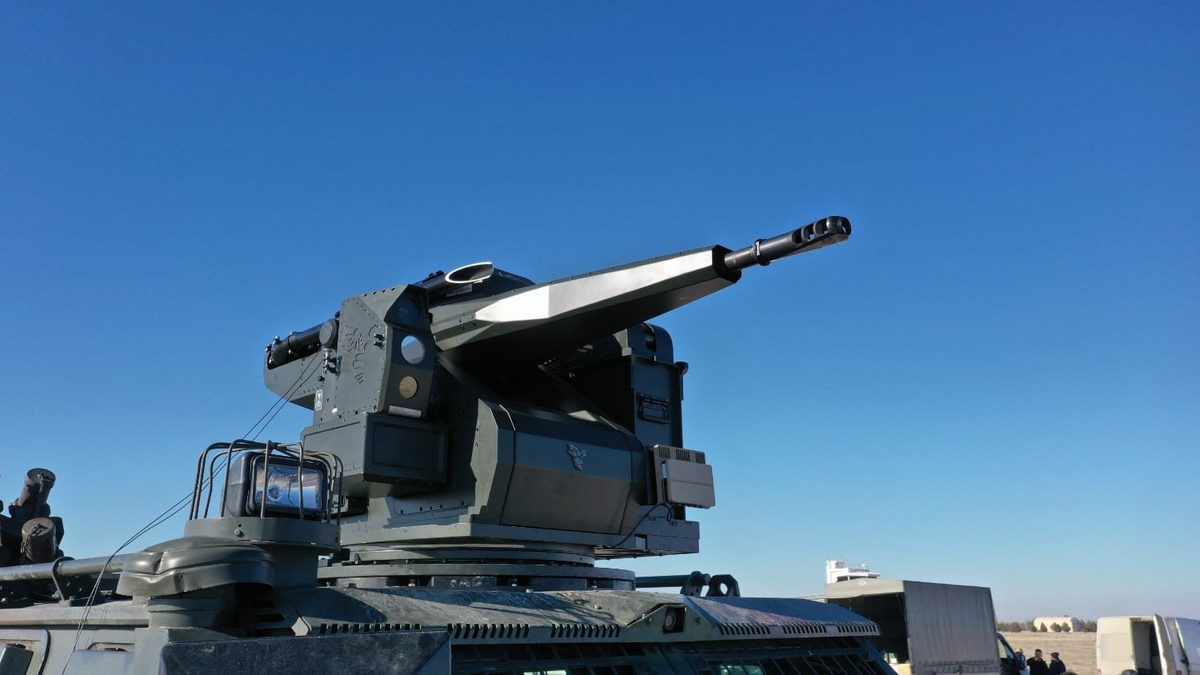
FNSS Develops New Remote Weapon Systems, Anti-Tank Missile Integration for SANCAK on the Table
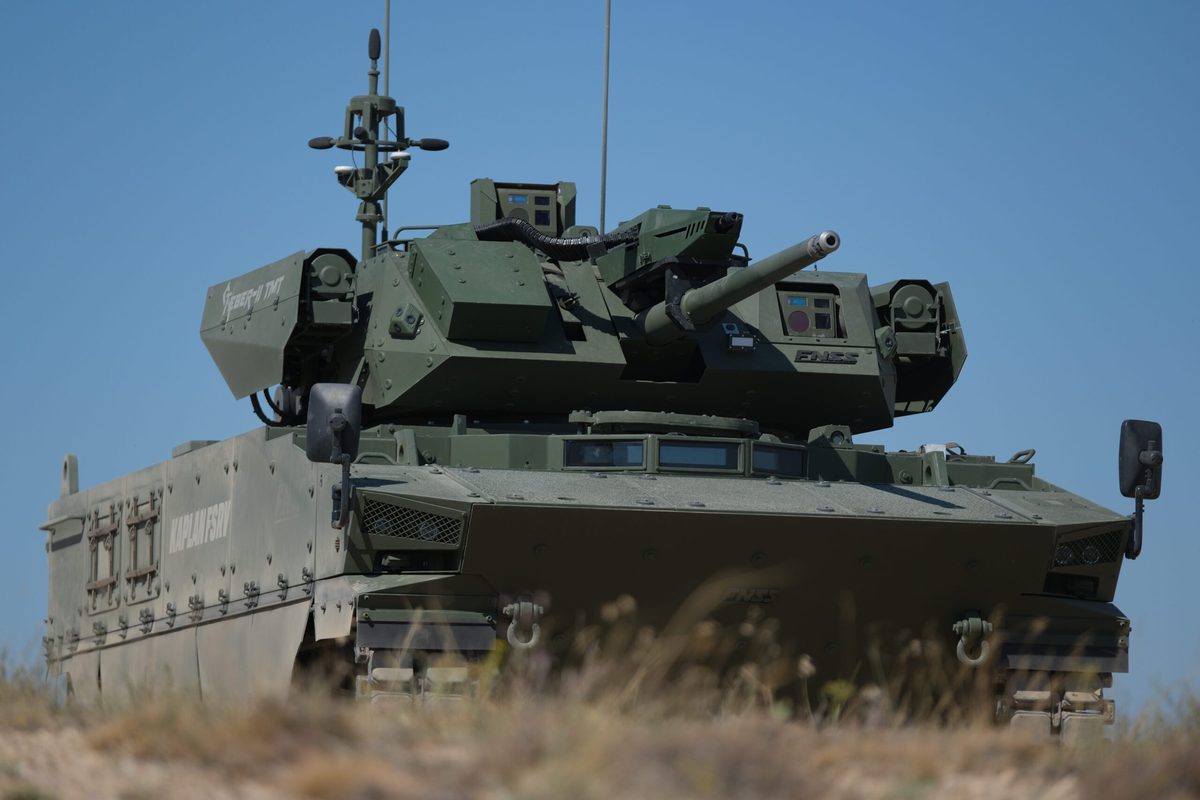
It has emerged that FNSS is working on new 23 mm and 25/30 mm class remote-controlled weapon system (UKSS) solutions, and that the integration of an anti-tank guided missile into the SANCAK system is being evaluated.
The 23 mm solution is reported to be based on the ZU-23-2 line and the 25/30 mm solution on the chain gun class. The developments have not yet turned into a procurement programme; however, work on both gun and anti-tank missile configurations on the same turret family points to a trend towards multi-role engagement on a single platform.
ASELSAN ARTGUIDE: Two-Way, EW-Resistant Data Link for Long-Range Missiles
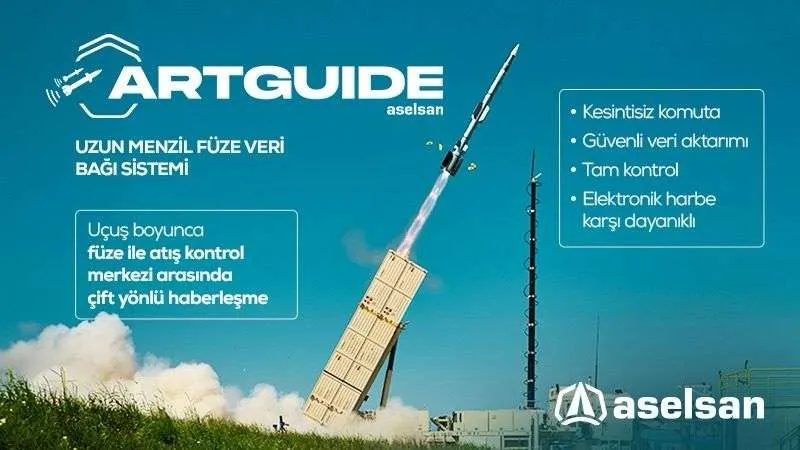
ASELSAN's ARTGUIDE system aims to provide a two-way, secure and uninterrupted data link between the missile and the fire control/command-and-control centre. The system's key feature is that it does not merely send commands from the centre to the missile but can also relay the missile's position, status and lock information back to the centre.
This architecture enables the missile to exchange information continuously with the centre throughout its mission and allows target and engagement information to be updated in flight. ARTGUIDE is also being designed with an electronic warfare-resistant communication infrastructure, secure data transfer and technologies suited to challenging channel conditions. The system could strengthen missile guidance and target update capability in long-range engagements.
Turkish Airlines Orders Two New 737 MAX Full Flight Simulators from HAVELSAN
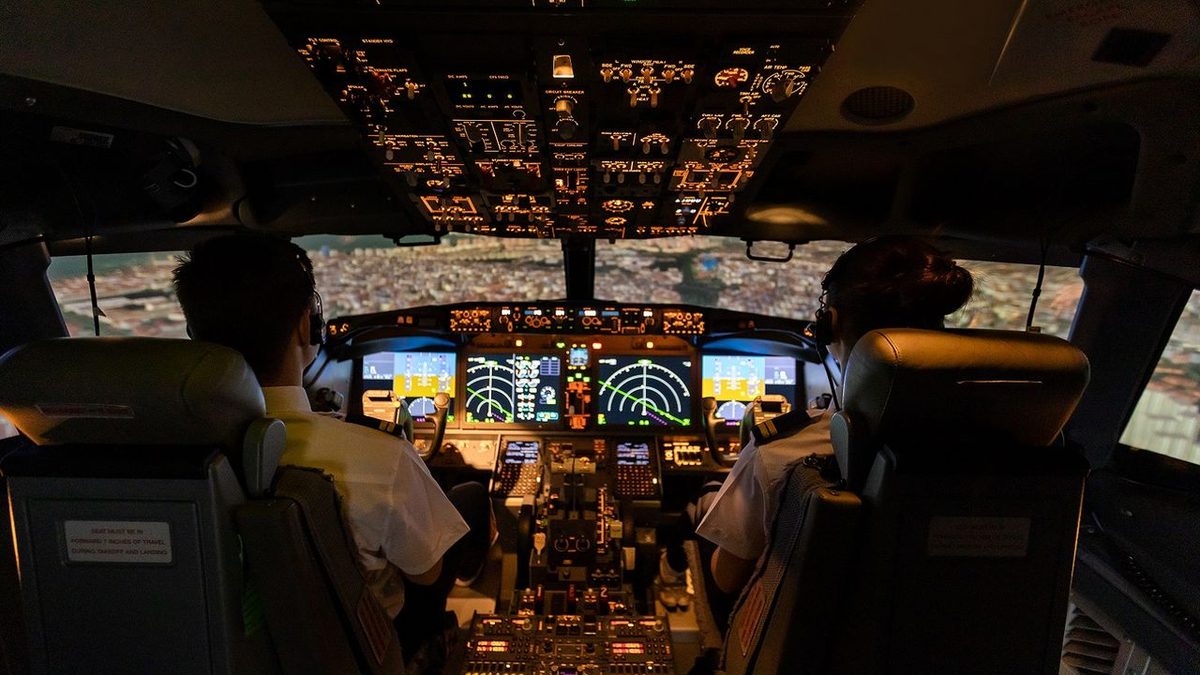
Turkish Airlines (THY) has ordered two new Boeing 737 MAX full flight simulators (FFS) from HAVELSAN; once deliveries are complete, the number of HAVELSAN-built 737 MAX simulators at THY will rise to five.
THY currently operates two HAVELSAN B737 MAX simulators; a third device recently passed the EASA certification stage. HAVELSAN plans to bring its new 17,000-square-metre Simulator Production and Integration Facility in Ankara into service in 2027; the facility will enable the production of more than 30 simulators a year and the development of 16 devices at the same time.
SAHA Horizon: Three Strategic Takeaways from the Week of 31 August – 6 September
This week, the international guidance systems demonstration in Konya Karapınar, January–August exports reaching $6.3 billion, the institutionalisation of the trilateral Türkiye–Saudi Arabia–Pakistan defence mechanism, and the mention of HÜRJET and the İSTİF class at the procurement tables of two different NATO allies all fell on the same calendar. Read together, what the Turkish defence industry showed this week is not a product success but a change in its sales architecture.
1) The showroom is now the firing range. The live-fire display of three configurations of the TOLUN family and the LGK-82/LGK-84/GÖZDE guidance kits on the same day, in front of military delegations from more than 15 countries, is the clearest example of the shift from the exhibition stand to the firing range. What is shown is not a catalogue but effect validated against a container–armoured vehicle–concrete building target trio; moreover, both the "let us make your existing bomb smart" option (guidance kit) and the "let us give you a munition from the outset" option (TOLUN) were offered in the same demonstration. This is an approach that invites the buyer to choose not a product but a procurement philosophy.
2) Exports are now volume, and the references are now allies. $6.3 billion in eight months and an annualised $10.9 billion show that the industry has moved from project-based sales to a sustained volume of foreign sales. In the same week, HÜRJET being the final stop in the UK's UKMFTS evaluation after its Italian and South Korean rivals, and the İSTİF class being mentioned among the US Navy's frigate options, change the nature of this volume: Turkish platforms now feature not only in third-country markets but in the benchmarking tables of NATO's two largest navies and air forces. Neither is an order yet; but both are lists that were not possible a few years ago.
3) Cooperation is turning from text into institutions. The definition of the Türkiye–Saudi Arabia–Pakistan mechanism with a standing committee and a permanent secretariat to be set up in Saudi Arabia coincided in the same week with the joint production memorandum between MKE and Egypt's Ministry of Military Production. Neither is a binding order; yet both point in the same direction: Türkiye is trying to move exports away from one-off sales and tie them to multi-year structures involving joint production, licensing and R&D sharing. In this model, the real output is not the delivered system but the dependence that becomes embedded in the partner's industry.
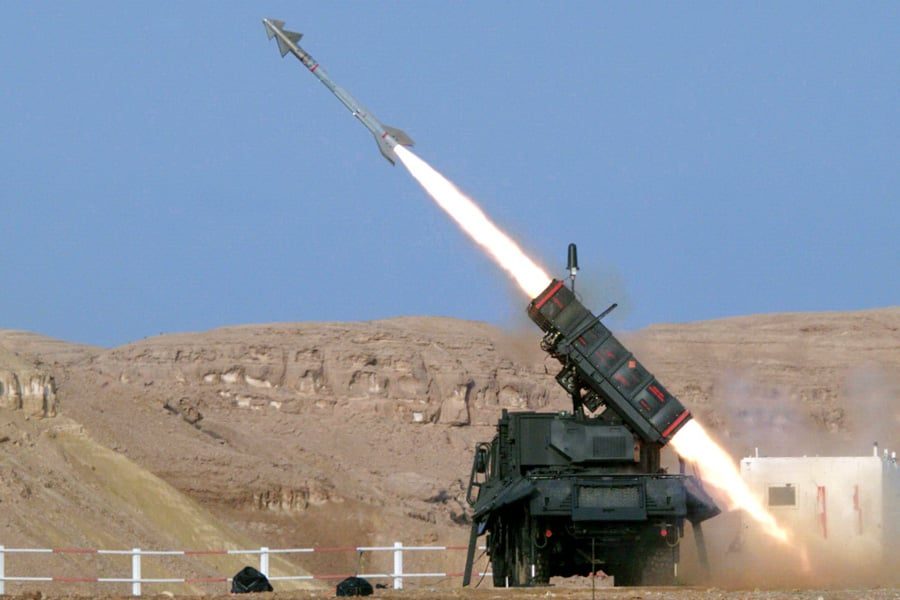
Greece Signs €3B Multi-Layered Air Defence Deal with Israel
The package, signed on 31 August and worth about $3.5 billion, includes David's Sling, SPYDER, BARAK MX, MMR radars and Drone Dome counter-UAS systems. The agreement will form the main part of the Achilles Shield architecture and will be one of Israel's largest defence exports to Greece to date.

Japan Requests Record $55.6B Defence Budget
Japan's Ministry of Defense has requested ¥8.9 trillion (about $55.6 billion) for FY2027 — the 15th consecutive increase. Priorities are long-range strike, unmanned systems, artificial intelligence, integrated air and missile defence and defence industrial capacity. This is not yet a final budget but an official budget request; because 160 items were left without amounts, the final figure could approach ¥10 trillion.
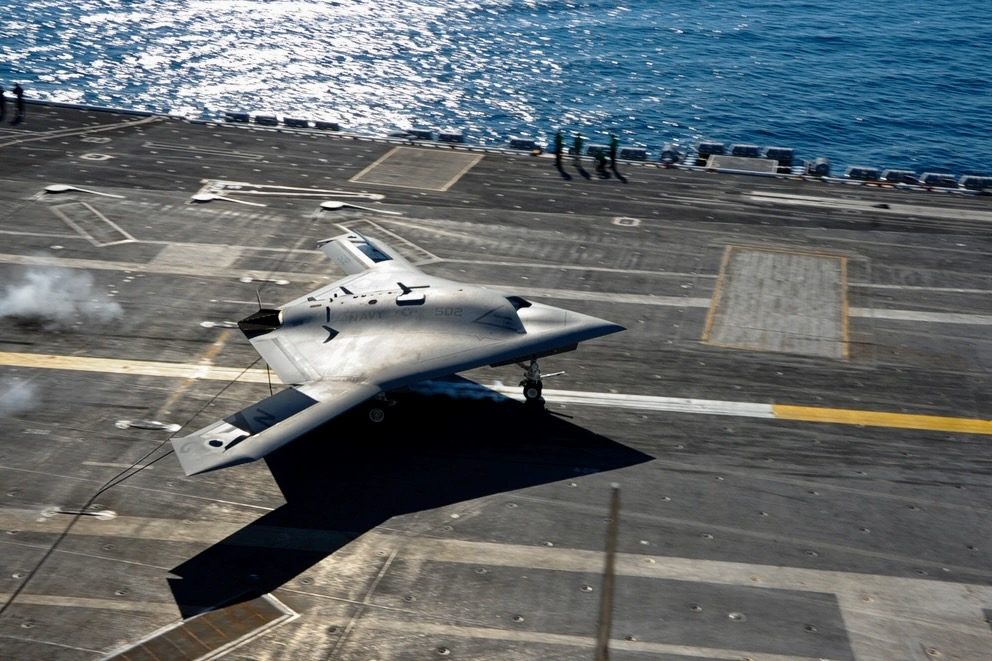
US Navy Unveils Carrier-Based CCA Requirements
For its future Collaborative Combat Aircraft, the Navy has set a unit cost below $30 million, four external stores in the 2,500 lb class (about five tonnes in total) and a requirement for catapult launch and arrested recovery from Ford- and Nimitz-class ships. The system will work with the MD-5 control architecture developed for the MQ-25; two fully functional prototypes are required within three years.
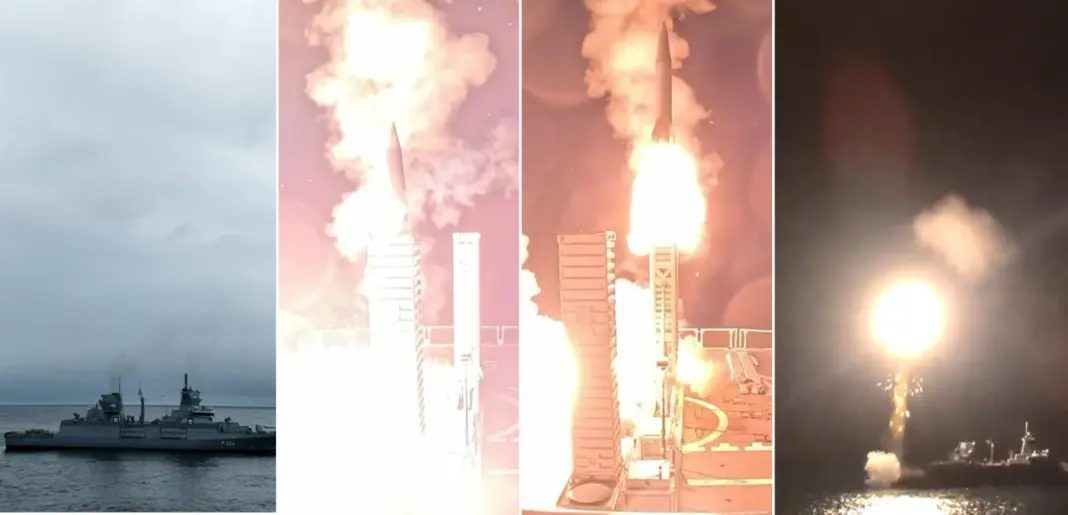
Germany Successfully Tests Israeli-Made LORA Ballistic Missile
A test of the IAI-built LORA ballistic missile was carried out in the North Atlantic on 2 September. The missile's range is in the class of about 500 km. Germany currently has no operational ballistic missile inventory in this class.
TKMS and Fincantieri Move Towards Broader Partnership in European Underwater Industry
On 1 September, Germany's TKMS and Italy's Fincantieri signed a memorandum of understanding to establish a formal cooperation framework in submarine and underwater technologies by the end of the year. The aim is joint projects, technology convergence and a more efficient European production base.
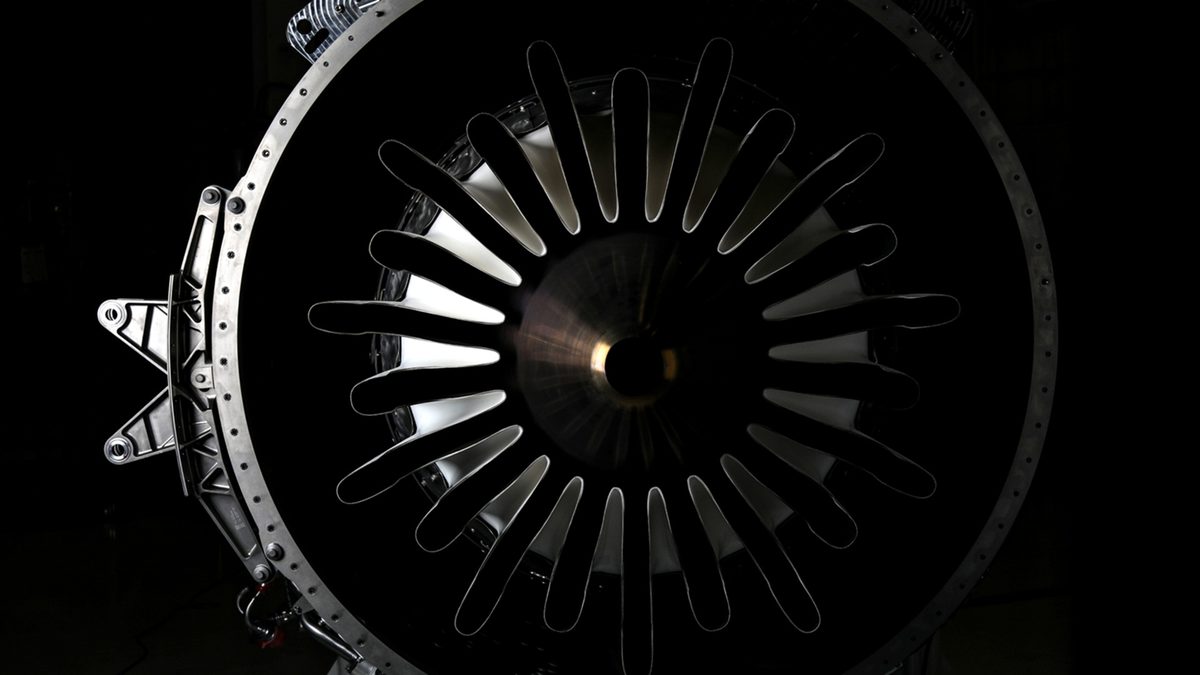
GE XA102 Advances to Prototype Production Phase for F-47
On 3 September, GE Aerospace released the first image of its adaptive cycle XA102 engine; procurement orders have been placed for about a quarter of the prototype hardware. The XA102 is competing with the Pratt & Whitney XA103 to meet the engine requirement for advanced production versions of the Boeing F-47.
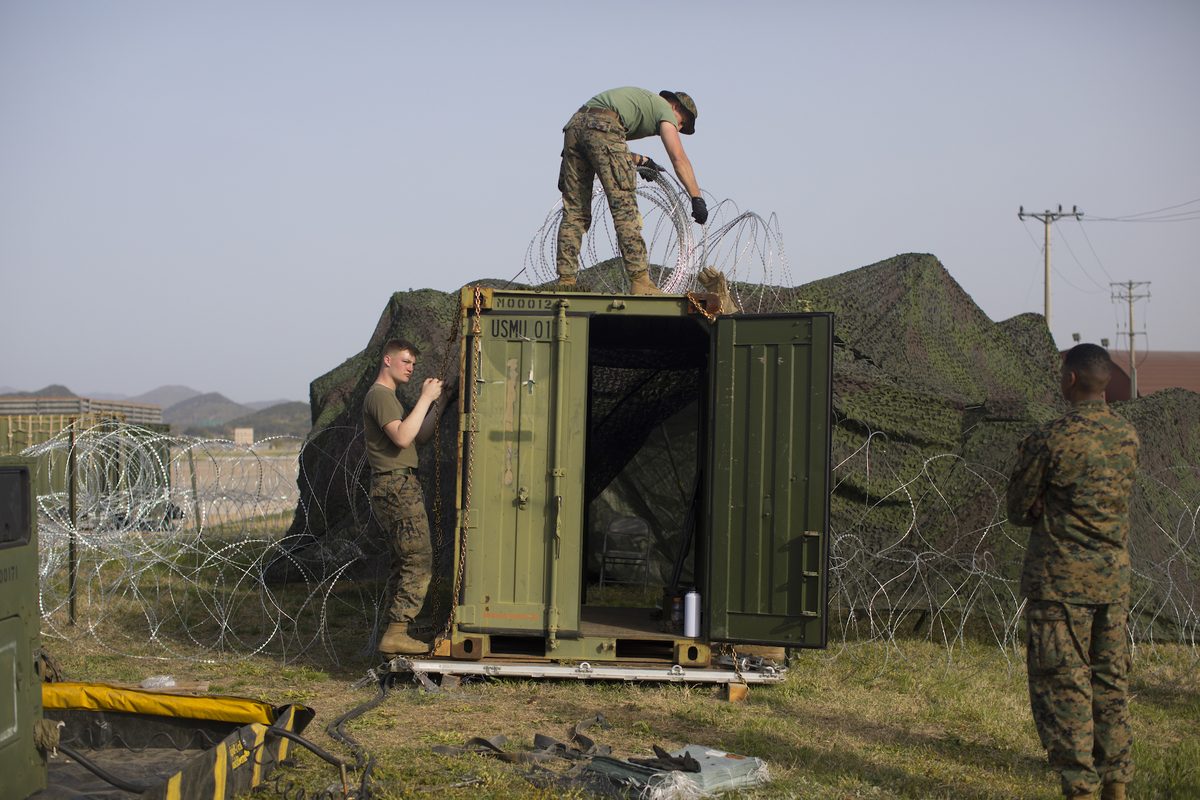
US Launches Secure Space Network with About 50 Mobile SCIFs
On 3 September, the US Department of Defense announced that it will set up about 50 mobile Sensitive Compartmented Information Facilities and secure information systems so that defence companies can work more easily on classified projects. The facilities will be deployed to military bases and industry-focused regions.
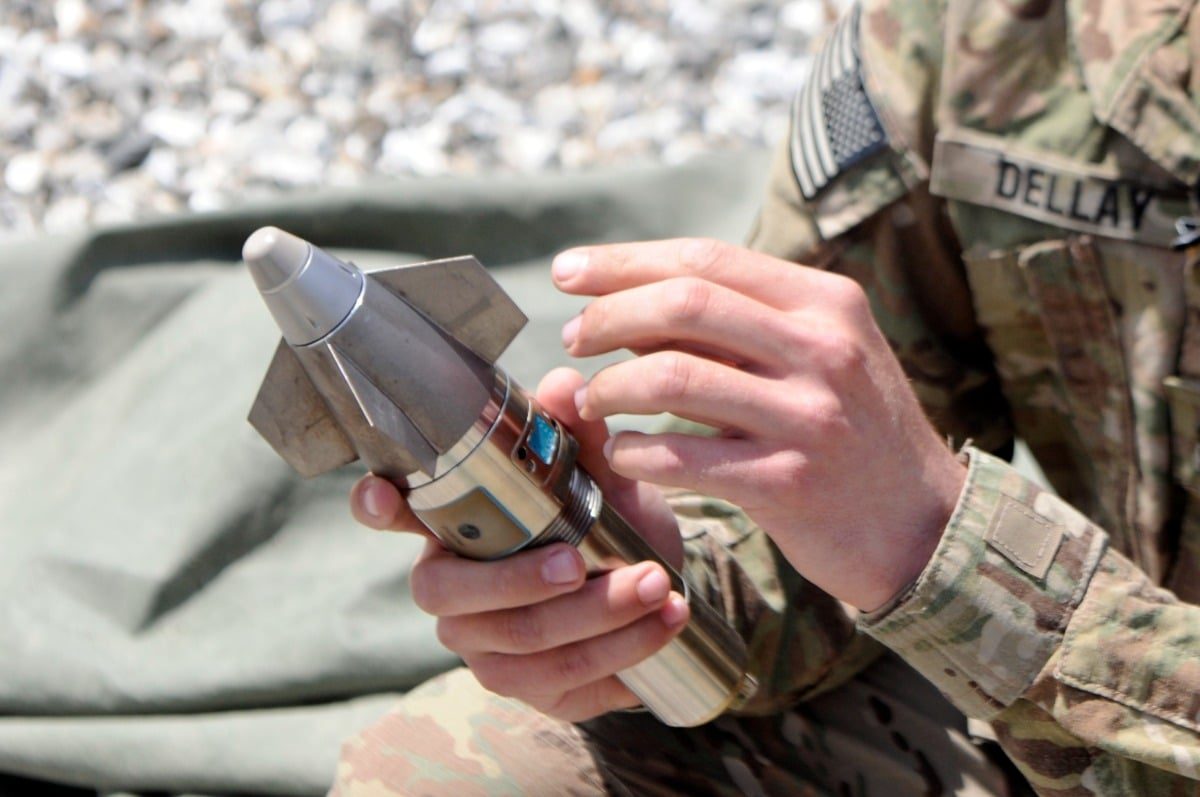
US Army Awards Northrop Grumman $862.8M Precision Guidance Kit Contract
The five-year IDIQ contract signed on 3 September covers the production, inspection, testing and delivery of the M1156 Precision Guidance Kit and its variants, with a completion date of 3 September 2031. The PGK converts standard 155 mm artillery shells into GPS-guided munitions with a 10–50 metre circle of accuracy.
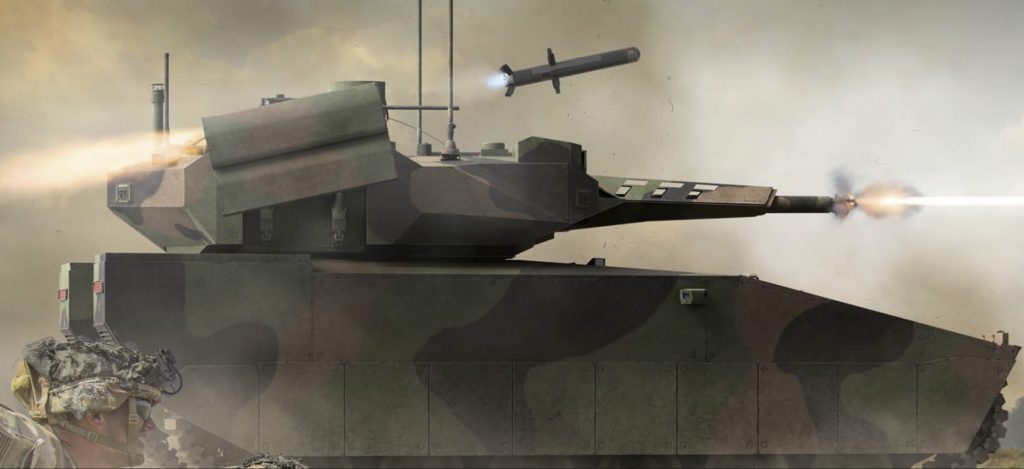
Rheinmetall Delivers First Lynx XM30 Prototype to US Army
American Rheinmetall delivered the first of eight Lynx XM30 prototypes, developed as the Bradley's successor, to the US Army on 1 September, starting the government-led development and performance testing phase. The vehicle stands out for its hybrid-electric powertrain; the remaining seven prototypes will be delivered within the year.

OHB Wins Contract Worth About €1B for 18 IRIS² Satellites
Under the contract announced on 31 August, Germany's OHB will develop 18 MEO satellites for IRIS², the EU's secure satellite communication network. Each satellite will have a maximum power of about 15 kW and a launch mass of about 2.6 tonnes. First launches are planned for 2029 and initial service for 2030.
Never miss a development
Follow Türkiye's defence, aerospace and space agenda every week in a single stream with the SAHA Bulletin.