
SAHA Bulletin
ASELSAN and ROKETSAN Sign €1.23B Contract for Air Defence Systems
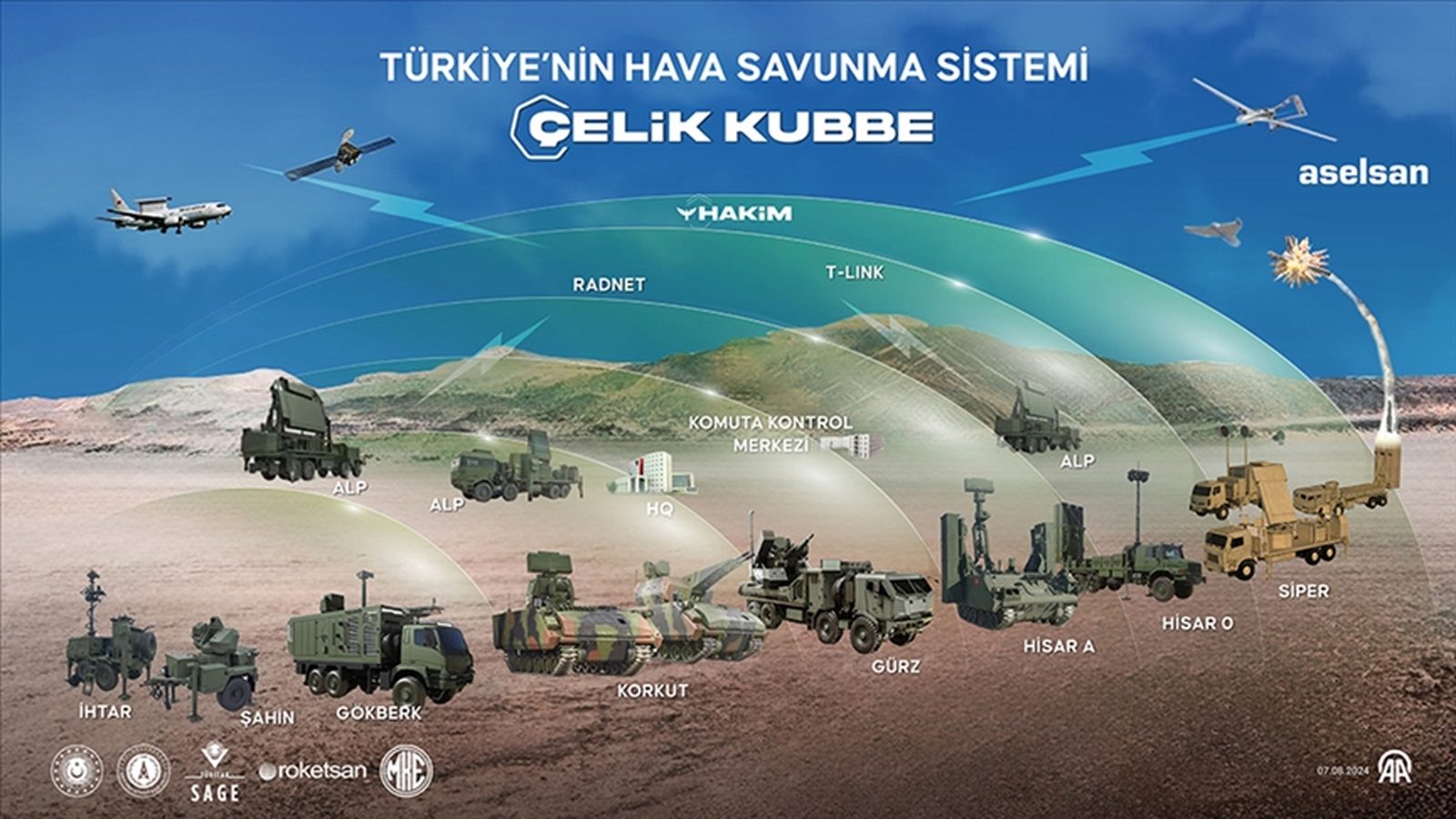
ASELSAN announced in a filing with the Public Disclosure Platform (KAP) on 23 September that it had signed a contract with ROKETSAN worth a total of €1,234,210,000 for the supply of subcomponents for air defence systems.
Skydagger Unveils TOYCA-10E Kamikaze UAV with 250 km Range and 10 kg Warhead
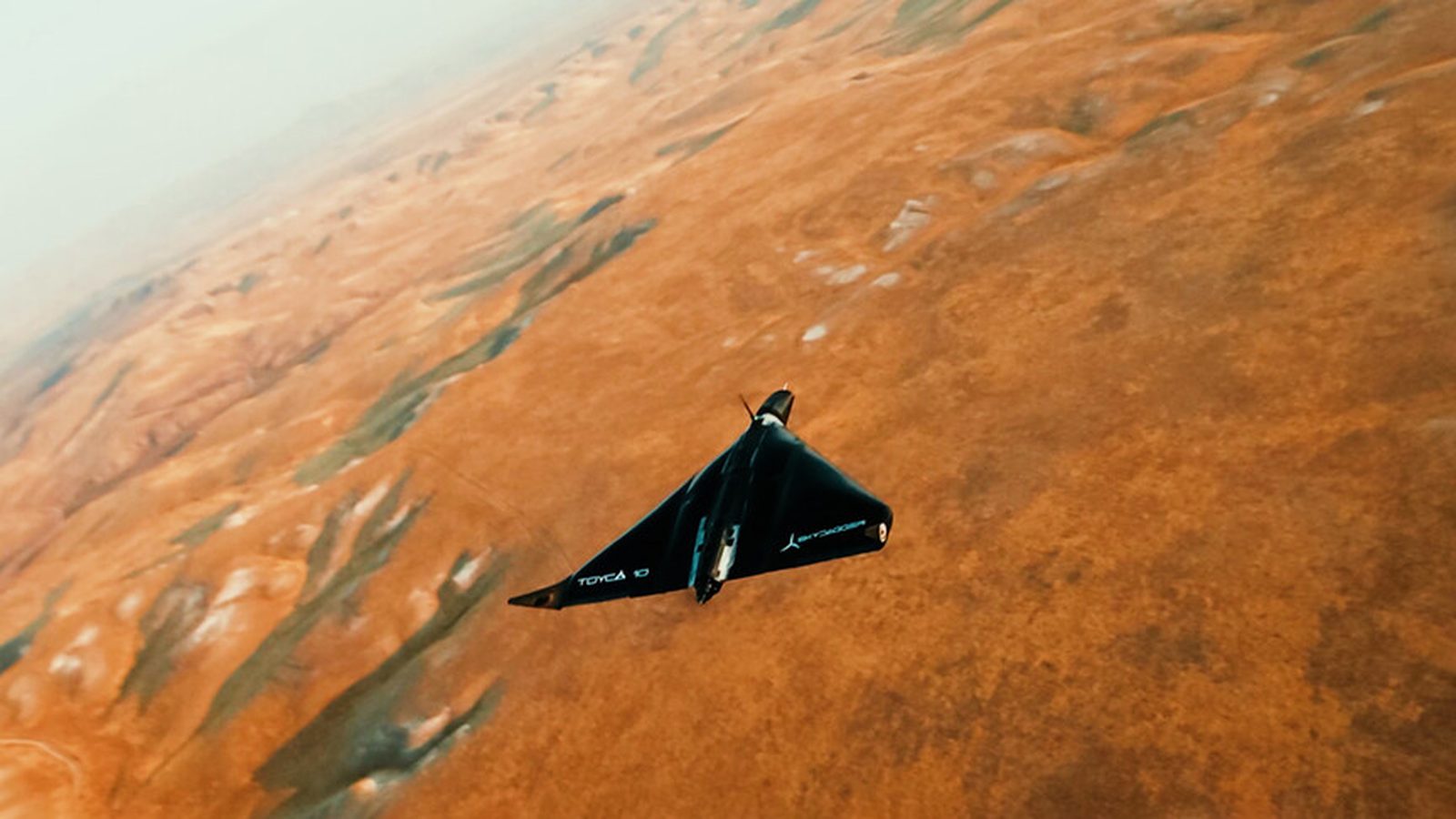
Skydagger's electrically powered TOYCA-10E, with a mission range of 250 kilometres and a 10-kilogram warhead, adds a new Turkish platform to the medium-range strike class. According to an Anadolu Agency report on 20 September, the catapult-launched system can begin missions from different sites without the need for runway infrastructure; thanks to its anti-jam capability it can sustain flight under intense electronic jamming, and on missions planned via Skydagger Flight Planner it performs take-off, cruise and terminal dive autonomously. Within the company's product family of drone, interceptor and fixed-wing systems, TOYCA-10E is positioned as its medium-range strike solution.
DUMRUL Mini Unmanned Helicopter Enters Multinational Integration Tests at REPMUS 2026
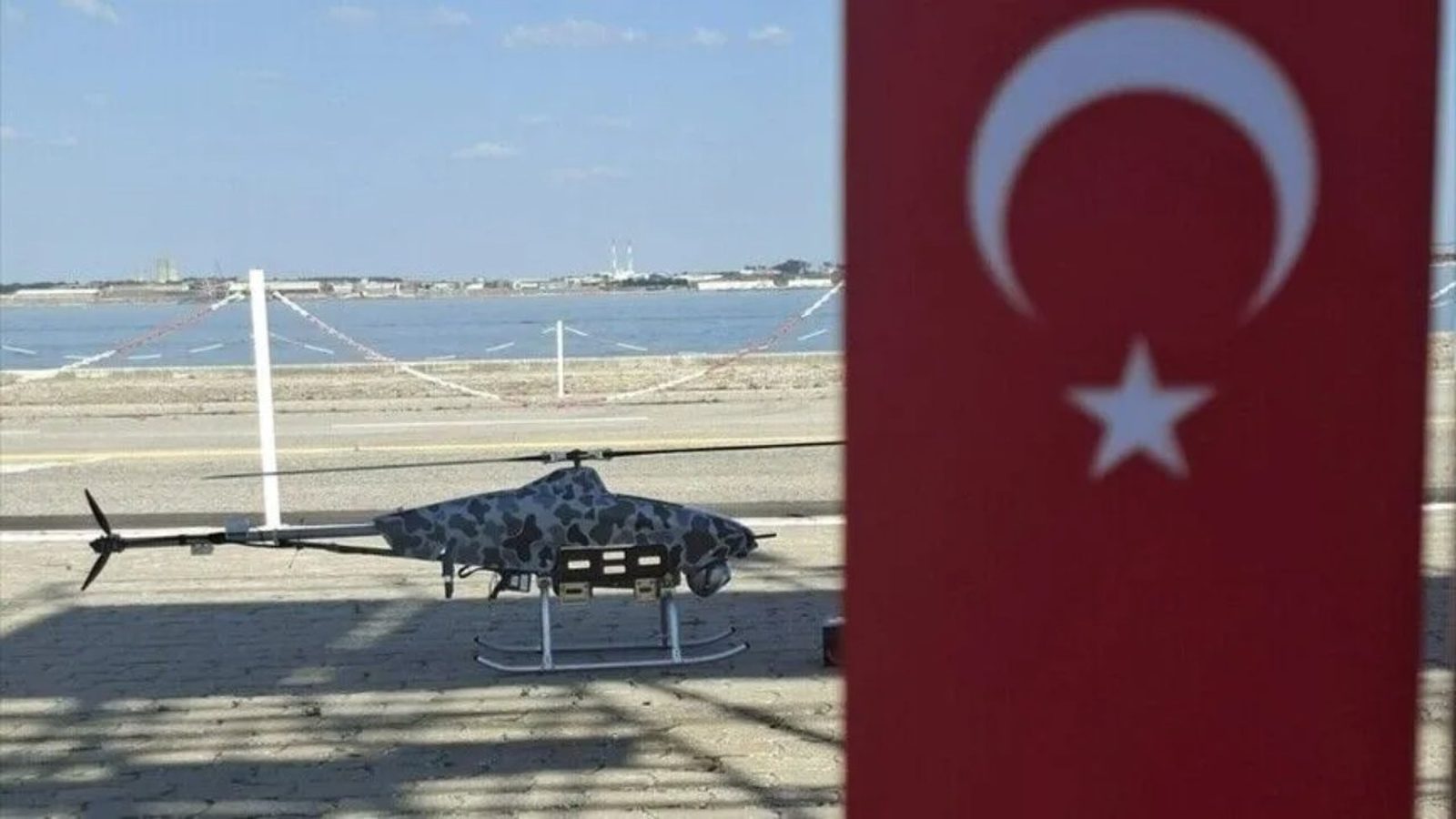
DUMRUL, TİTRA Teknoloji's mini unmanned helicopter in the inventory of the Turkish Armed Forces, was used in mission scenarios with different systems and joint command-and-control infrastructures at the REPMUS 2026 exercise led by the Portuguese Navy. At the exercise, co-organised by NATO CMRE, NATO JCGMUS, the European Defence Agency (EDA) and the Faculty of Engineering of the University of Porto, DUMRUL is being tested for interoperability with different systems, its ability to operate with common control infrastructures and its participation in joint mission scenarios. Designed to be more compact on the basis of experience gained with the ALPİN unmanned helicopter, DUMRUL stands out as Türkiye's first armed mini unmanned helicopter, with configurations integrating a six-slot bomb rack, mortar munitions and the ROKETSAN METE missile.
Bayraktar TB3 Takes Off from TCG ANADOLU, Drops Two Sonobuoys and Flies Joint Anti-Submarine Mission with Maritime Patrol Aircraft
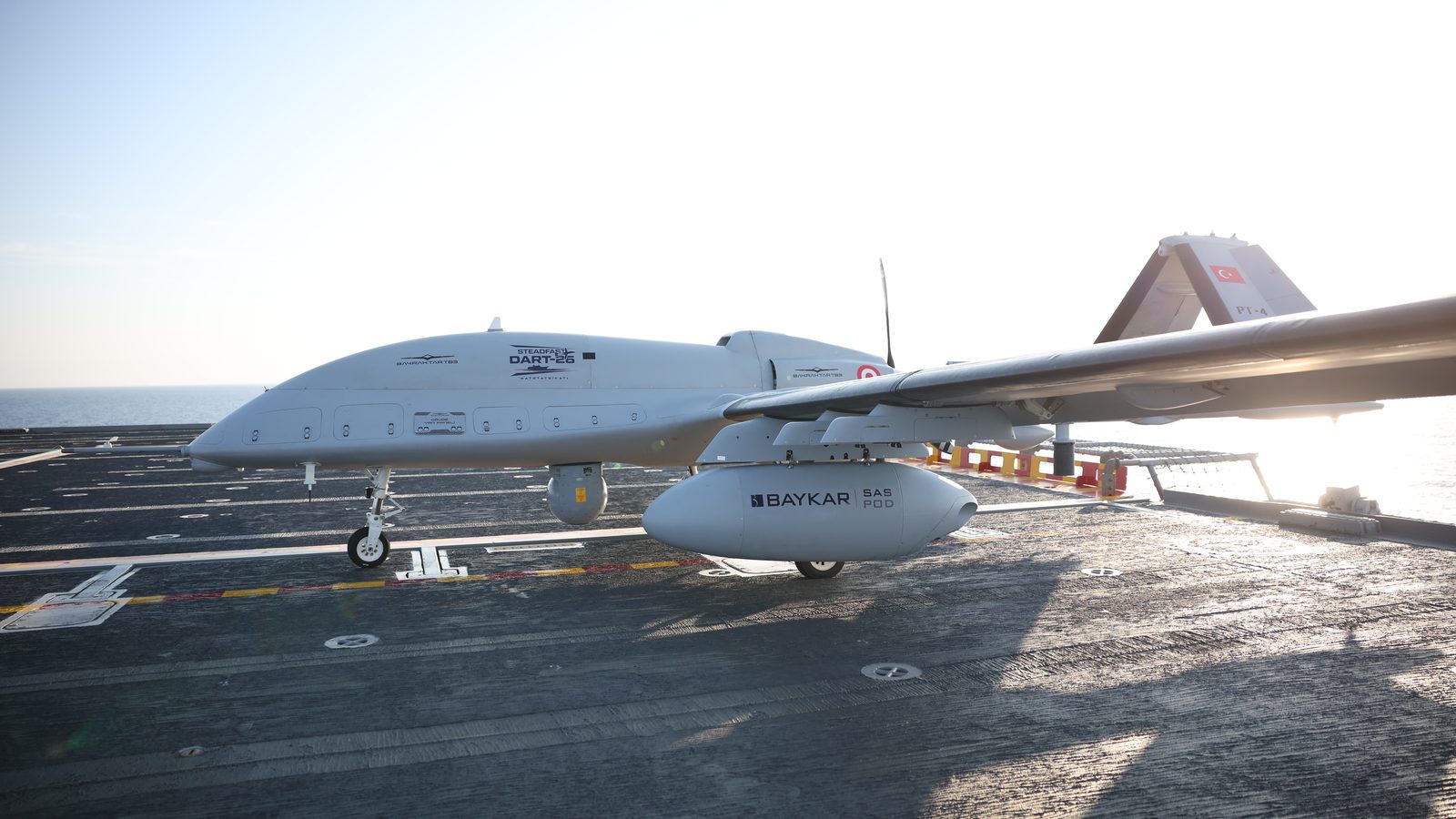
Taking off from TCG ANADOLU during Exercise Denizkurdu-I/2026, Bayraktar TB3 successfully dropped two sonobuoys into the sea using the Sonobuoy Launch System (SAS POD), developed by Baykar as a national and original design. Operating in coordination with a maritime patrol aircraft in the area in an anti-submarine warfare scenario, TB3 used its onboard sonobuoy processing unit to process data from both its own sonobuoys and those dropped by the patrol aircraft, and displayed the resulting underwater data in real time. This test, conducted during the exercise held simultaneously in the Black Sea, the Sea of Marmara, the Aegean and the Eastern Mediterranean on 20–25 September, turns the ship-based unmanned platform into a link in the submarine search chain, beyond reconnaissance and strike.
South Korea's Kencoa Aerospace Joins Structural Parts Supply Chain for 27 HÜRJETs
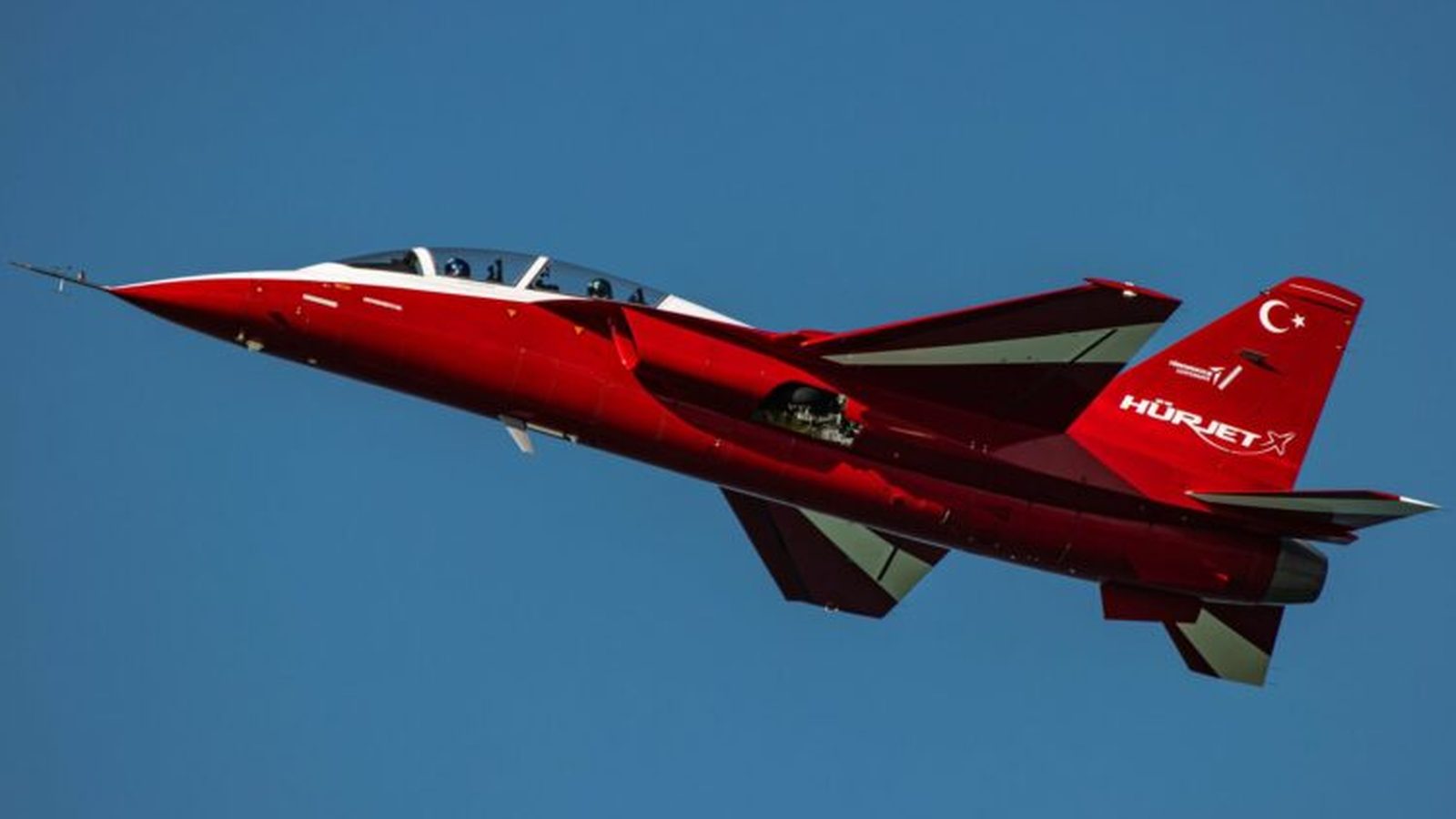
South Korea's Kencoa Aerospace has signed a contract with Turkish Aerospace (TUSAŞ) for the supply of parts to be used in HÜRJET's fuselage structure. Under the agreement, Kencoa will produce 27 aircraft sets of 34 different types of machined structural parts; deliveries are planned to be completed in 2026–2028, while the financial value of the contract was not disclosed. Kencoa CEO Mingyu Lee said that taking part in the programme was an important opportunity to bring its precision machining and quality control capabilities to the global aviation market. The growing number of foreign suppliers is seen as a sign that HÜRJET is gearing up for the pace of serial production.
ROKETSAN's KARAOK Anti-Tank Missile Hits an Aerial Target for the First Time
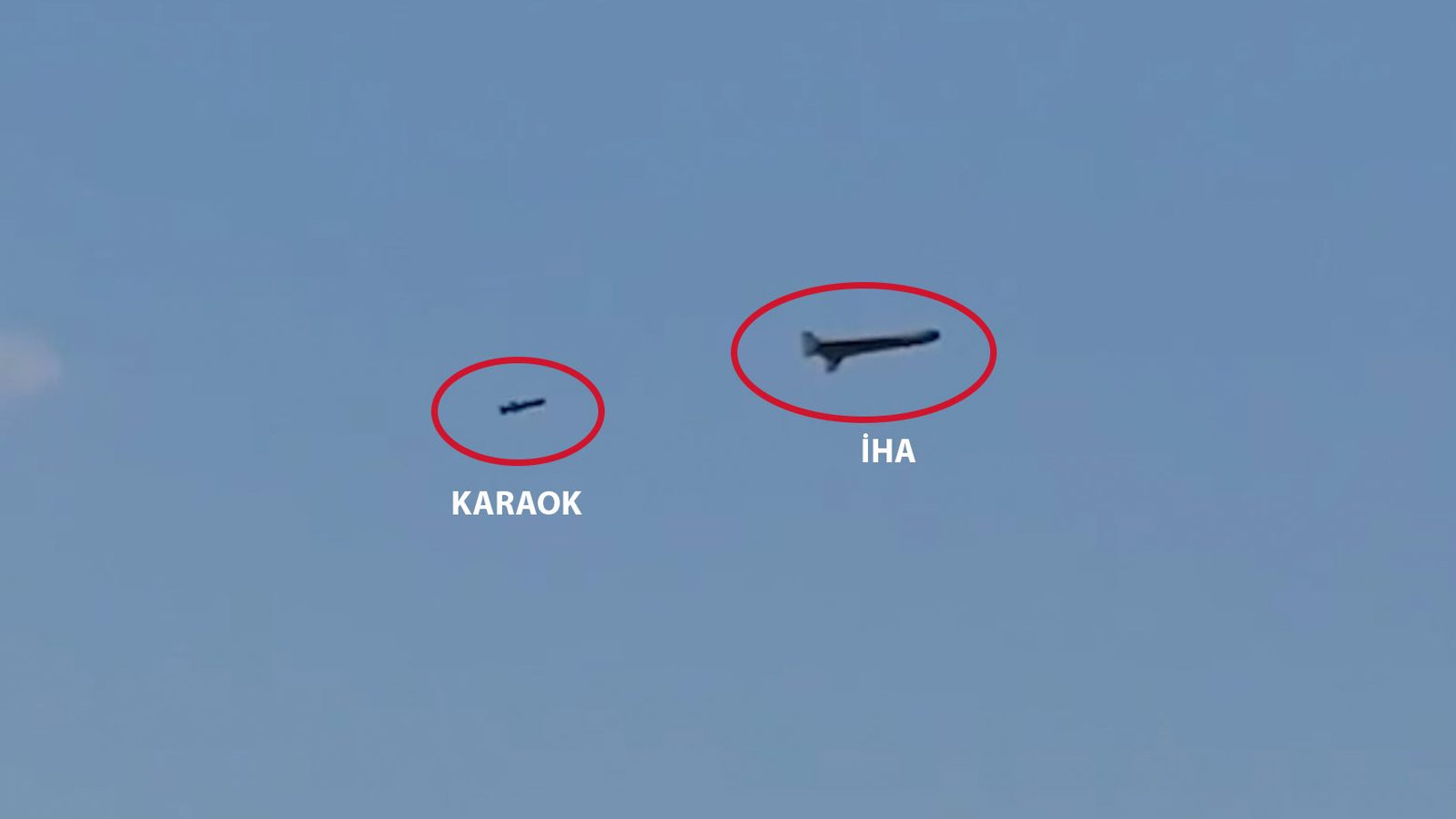
KARAOK, the short-range portable anti-tank missile developed by ROKETSAN, successfully hit an aerial target with characteristics similar to the Shahed-136 kamikaze UAV in a test. The footage showed that no proximity fuze was used and that a KARAOK without a warhead neutralised the target by direct impact (hit-to-kill). The fire-and-forget missile, with an imaging infrared (IIR) seeker, a weight of under 16 kilograms and a range of 2.5 kilometres, was originally designed for armoured land targets; this test showed that the system could offer units down to the individual soldier level an additional low-cost counter-UAS (C-UAS) layer.
MKE's PİRANA Kamikaze USV Destroys Surface Target with 100 kg Live Warhead
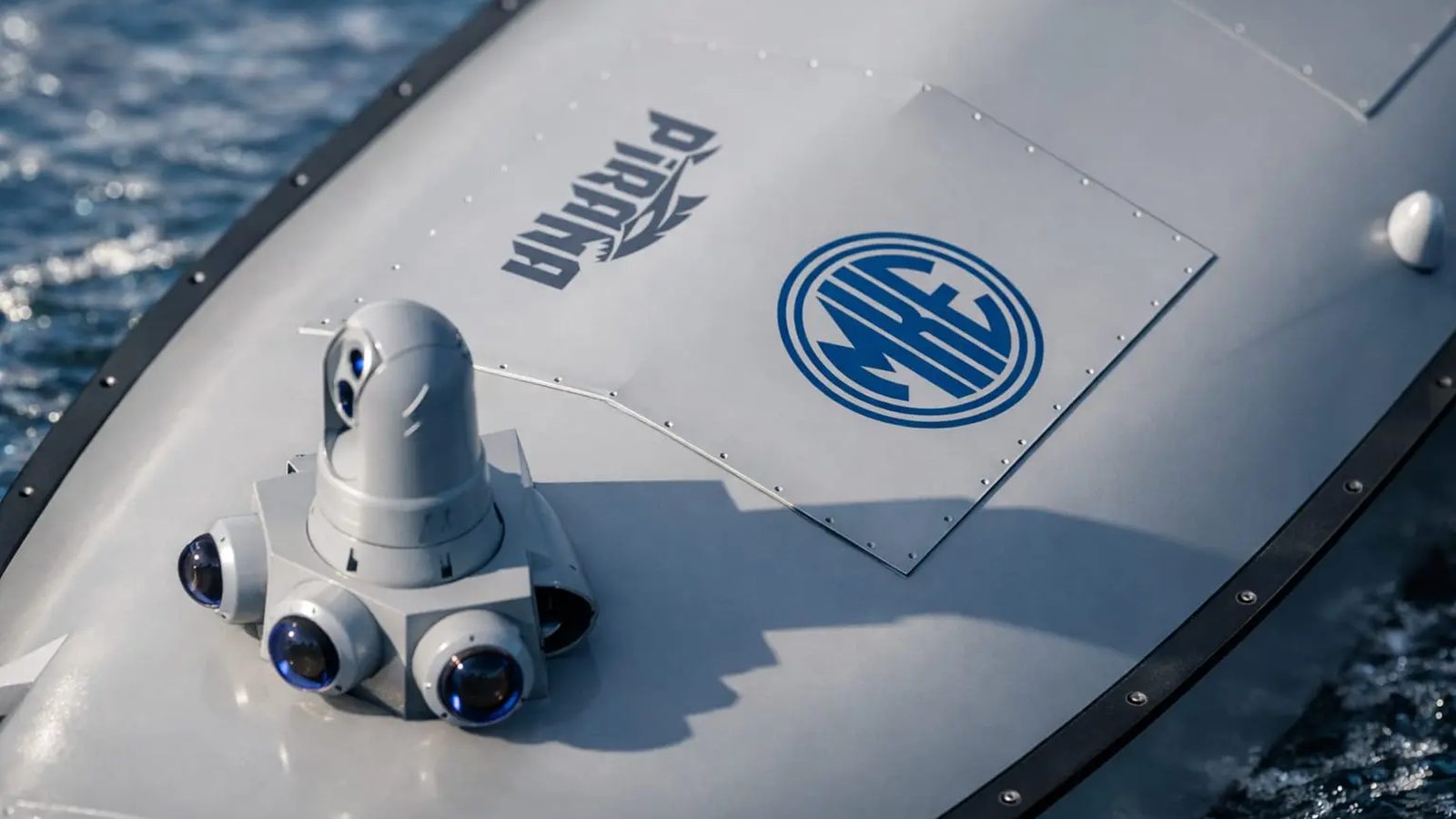
PİRANA, the kamikaze unmanned surface vessel (KİDA) of Makine ve Kimya Endüstrisi (MKE), was guided from a command-and-control console installed on a Tuzla-class patrol boat during Exercise Denizkurdu-I/2026 and, for the first time, attacked a surface target with a 100-kilogram live warhead, destroying it. Developed with an "Effective-Simple-Cheap" approach, PİRANA was designed to operate in a swarm concept as well, with a speed of over 40 knots, a mission range exceeding 200 nautical miles, remote or autonomous control via RF and SATCOM, and a low radar cross-section. The system had undergone data link testing with TCG ANADOLU and Bayraktar TB3 in June 2025; the latest firing has also demonstrated its ability to strike with live munitions.
Land Forces Complete Inspection and Acceptance of New TAYFUN Block-2 Missiles
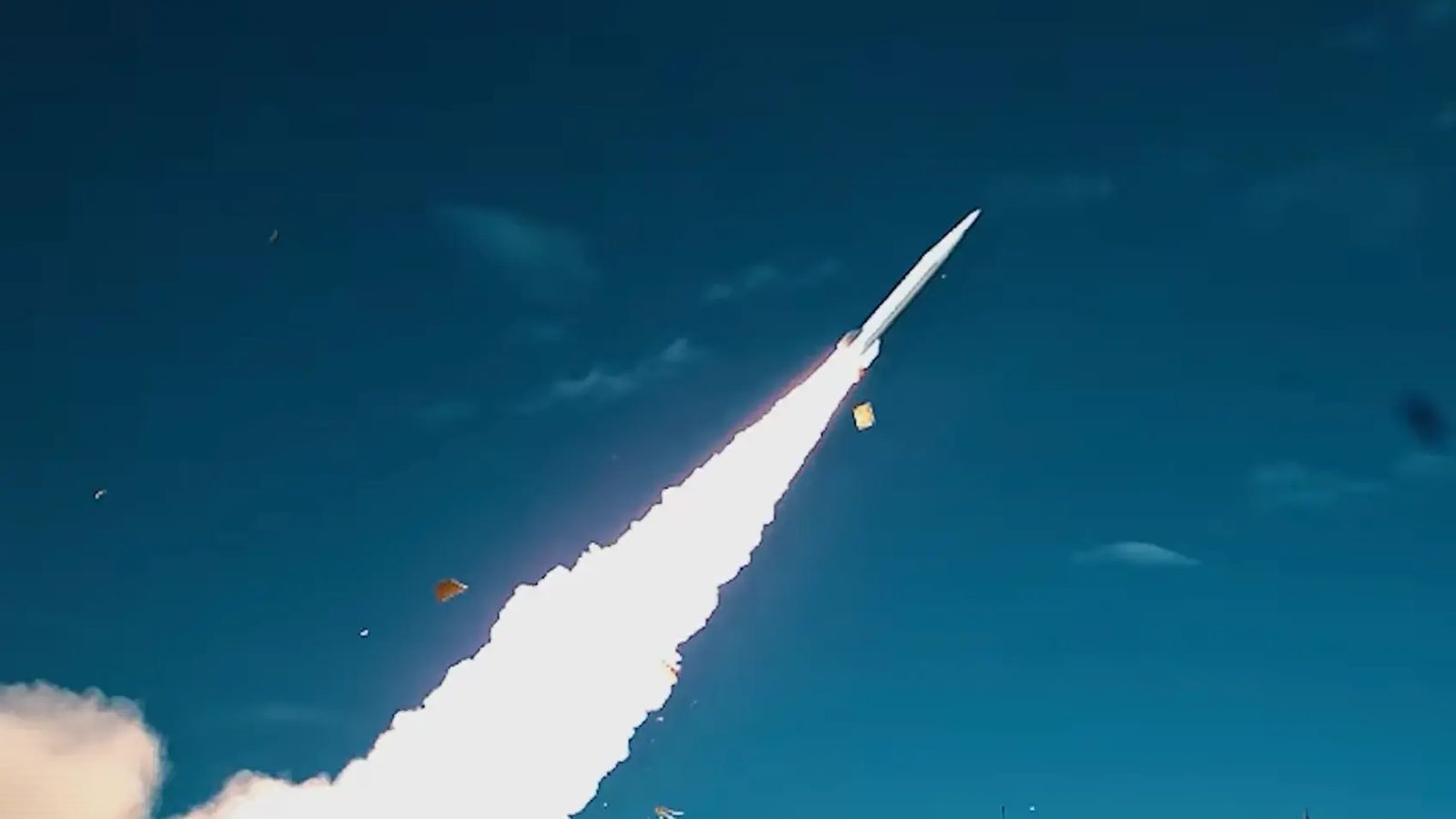
The Ministry of National Defence announced that the Land Forces Command had completed inspection and acceptance of a number of TAYFUN Block-2 missiles; the quantity was not disclosed. The announcement was made at the weekly press briefing held aboard TCG ANADOLU as part of the Distinguished Observer Day of Exercise Denizkurdu-I. Deliveries of the ROKETSAN-built TAYFUN Block-2, which first entered the inventory on 20 May 2026, had continued with batches in June and August. With a range of over 500 kilometres, the missile is Türkiye's longest-range national ballistic missile in the inventory.
MKE Delivers 35 mm Airburst Ammunition and Spare Parts
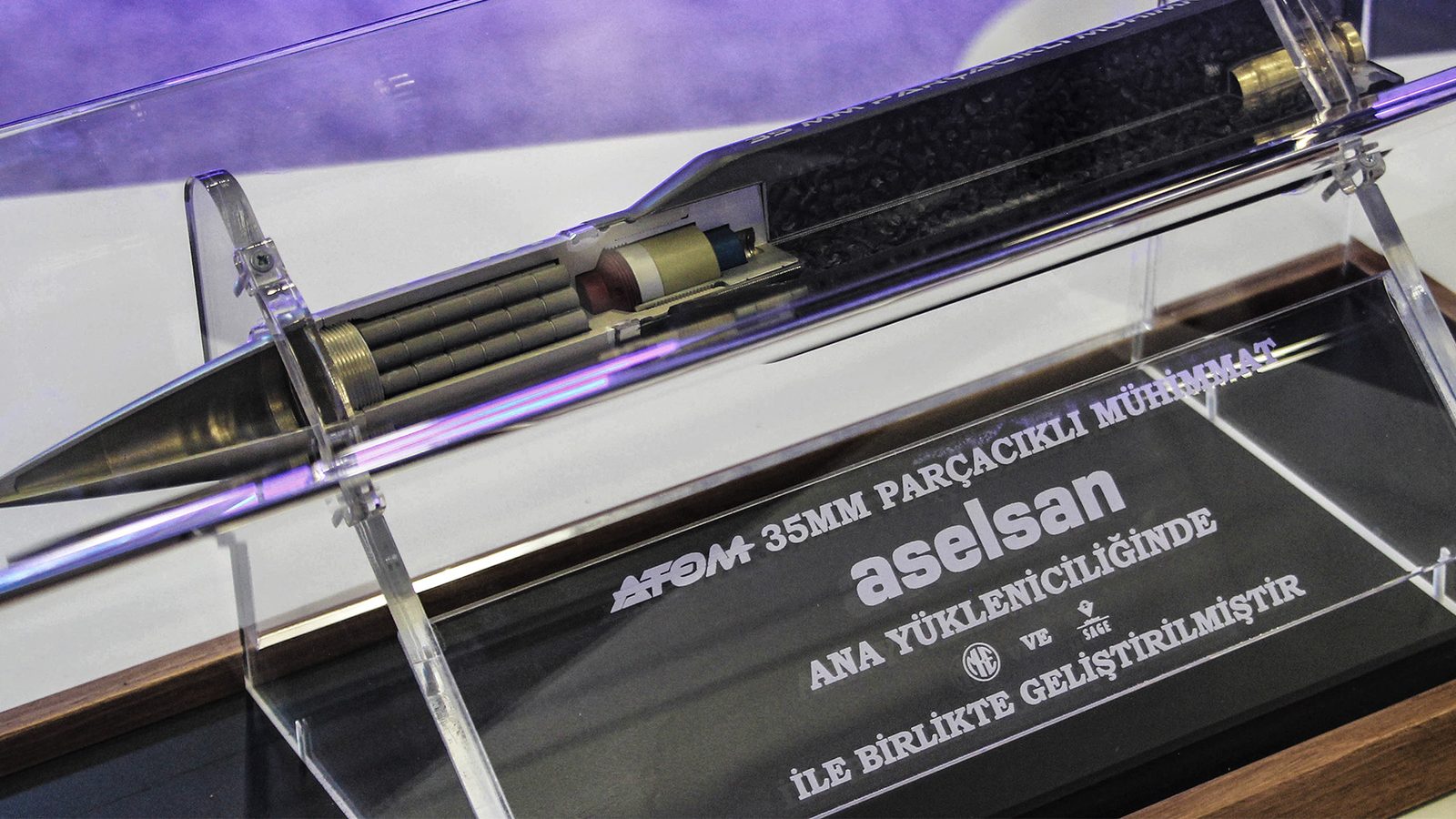
MKE has delivered 35 mm airburst ammunition and various spare parts to defence industry stakeholders, according to the Ministry of National Defence's weekly press briefing. After leaving the barrel, the programmable 35 mm airburst round forms a cloud of high-kinetic-energy particles in front of the target to neutralise aerial threats; as the main ammunition of low-altitude air defence systems such as KORKUT and GÜRZ, it plays a critical role against the UAV threat. MKE also announced that it will take part in ADEX 2026 in Baku on 30 September–2 October and in TEKNOFEST Southeast in Şanlıurfa on 30 September–4 October.
HÜRKUŞ-II Acceptance to Take Place at TUSAŞ Kahramankazan on 28 September
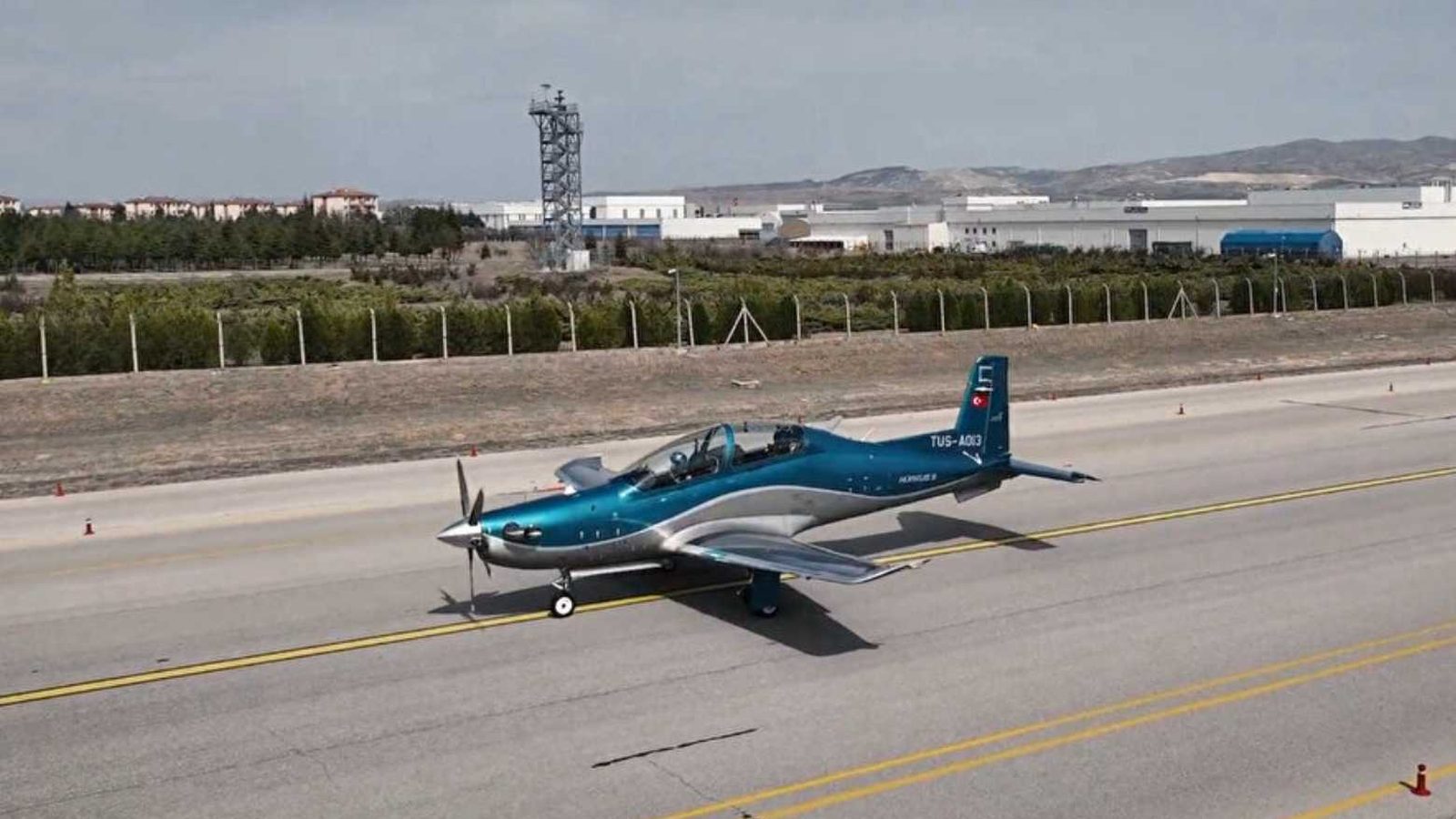
The Ministry of National Defence announced on 24 September that the acceptance of HÜRKUŞ-II, which has received its Military Type Certificate, will be carried out at TUSAŞ's Kahramankazan facilities on 28 September with the participation of Air Force Commander General Rafet Dalkıran. In the first phase, 55 HÜRKUŞ-II aircraft are planned to be delivered to the Air Force; an understanding had been reached with Azerbaijan on the aircraft's export. The aircraft, which entered serial production in 2025, has a maximum range of 1,190 km, a service ceiling of 39,270 feet and a maximum cruise speed of 533 km/h. As the acceptance activity falls outside the date range covered by this issue, the development appears this week as an announcement; details of the ceremony will follow in the next issue.
30 Trainees Complete Training at Baykar Under Saudi Arabia's AKINCI Programme
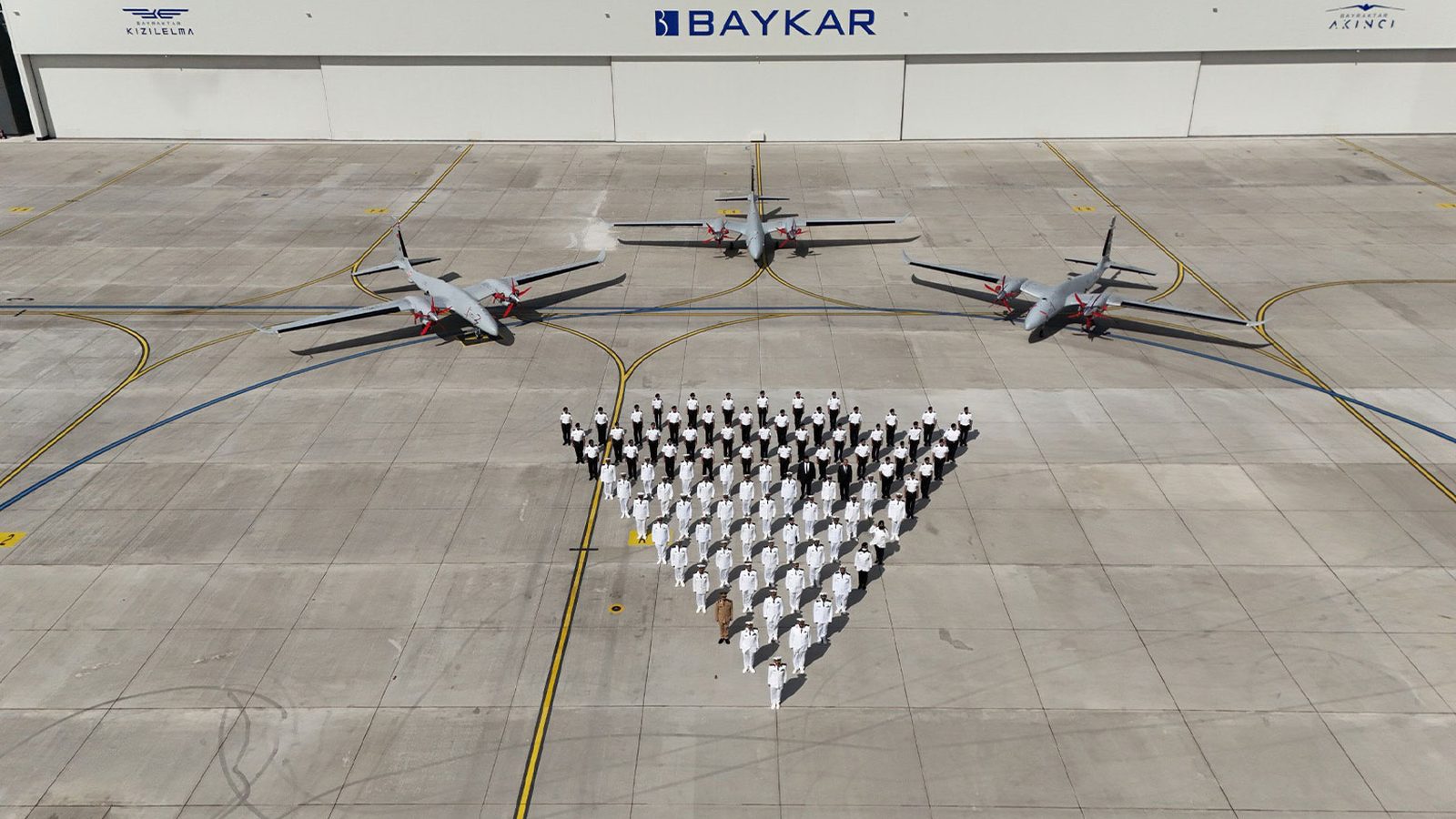
A group of 15 pilots and 15 mechanical and electronics technicians from the Royal Saudi Naval Forces has graduated after completing AKINCI training at Baykar's Çorlu Flight Training and Test Centre. The graduation shows that the AKINCI deal, signed in August 2023 and announced at the time as the largest Turkish defence export with a value of around $3.1 billion, is progressing through its operational readiness phase. The fact that the trainees come from the naval forces indicates that AKINCI will also extend to maritime operations in the Saudi inventory; the programme is proceeding as an ecosystem model together with ASELSAN and ROKETSAN munitions exports.
Italy Awards €3.7B Contract for Two DDX Destroyers
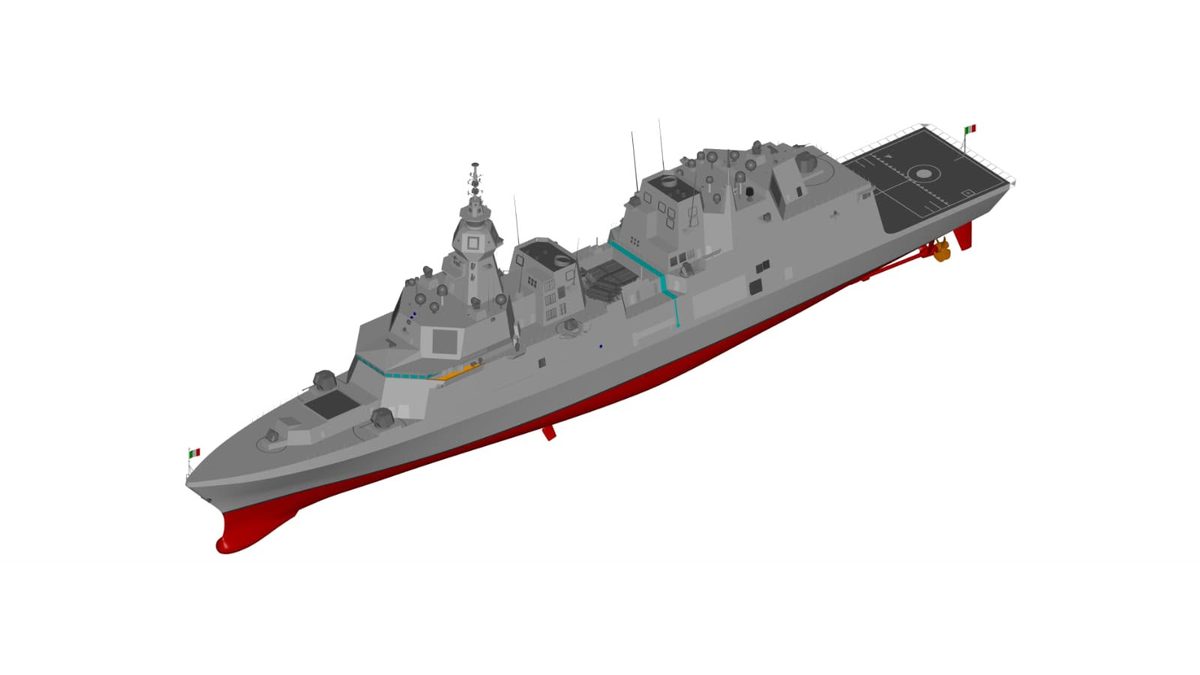
OCCAR has awarded Orizzonte Sistemi Navali (OSN), the joint venture of Fincantieri and Leonardo, a contract worth around €3.7 billion ($4.2 billion) for two DDX destroyers. The 180-metre, 13,500-tonne ships will provide integrated air and missile defence against ballistic and hypersonic threats with an S-band AESA radar, the SADOC 5 combat management system and MBDA weapons. The ships, which will replace the Horizon class, are planned for delivery in 2033 and 2035.
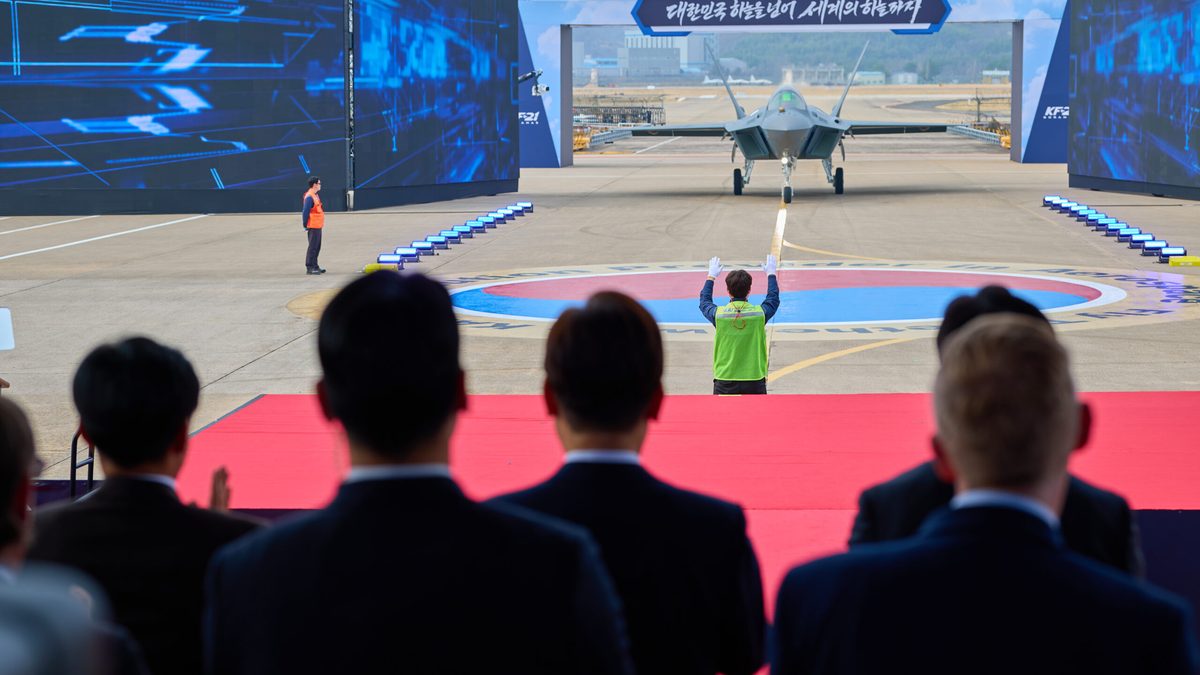
South Korea Delivers First Serial Production KF-21 Boramae Fighter to Air Force
The first two-seat serial production KF-21, tail number 26-001, built at KAI's Sacheon facility, was handed over to the Republic of Korea Air Force (ROKAF) on 22 September. The 4.5-generation aircraft, whose development began in December 2015, will replace the F-4 and F-5 fleet. South Korea is aiming for a total of 120 aircraft, with 40 Block I by 2028 and 80 Block II by 2032; full operational capability is expected at the end of 2027.
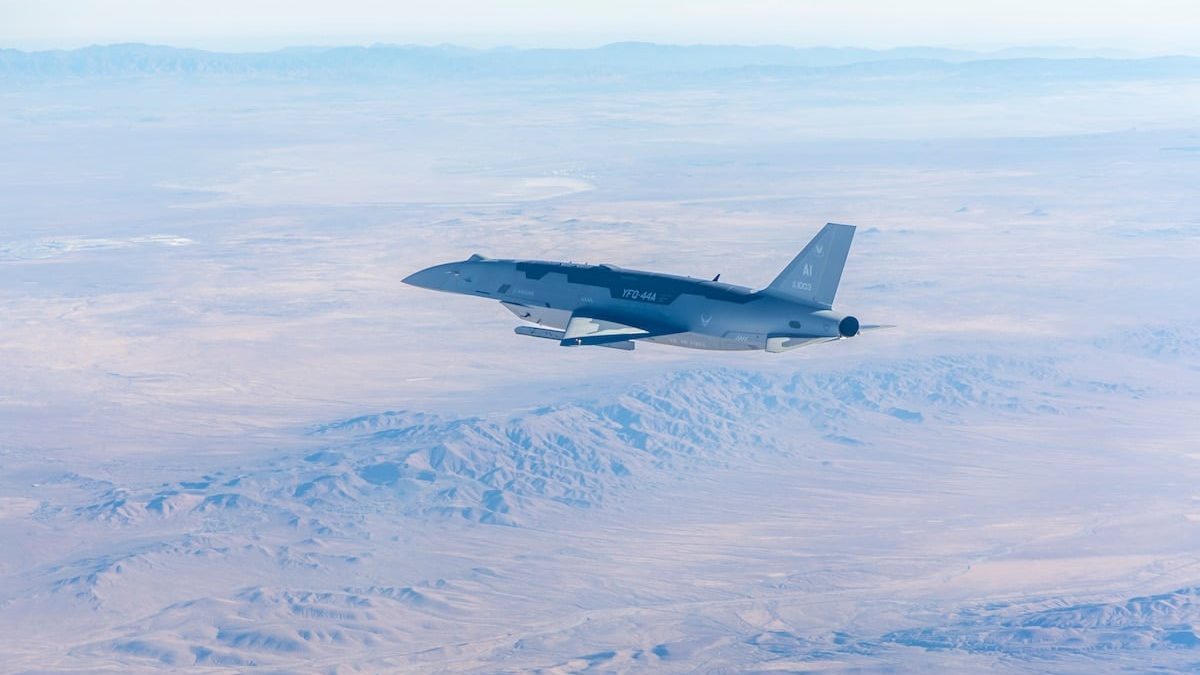
US Air Force Confirms Operational Testing of FQ-42 Vengeance and FQ-44 Fury
In a confirmation dated 24 September, it was announced that General Atomics' YFQ-42A Vengeance and Anduril's YFQ-44A Fury uncrewed collaborative combat aircraft (CCA) are undergoing operational testing and experimentation with the Experimental Operations Unit at Creech Air Force Base in Nevada. The Fury was delivered to the unit last month and the Vengeance last week. The tests will evaluate sortie generation by small teams from distributed and austere sites, as well as training, sustainment and infrastructure requirements.
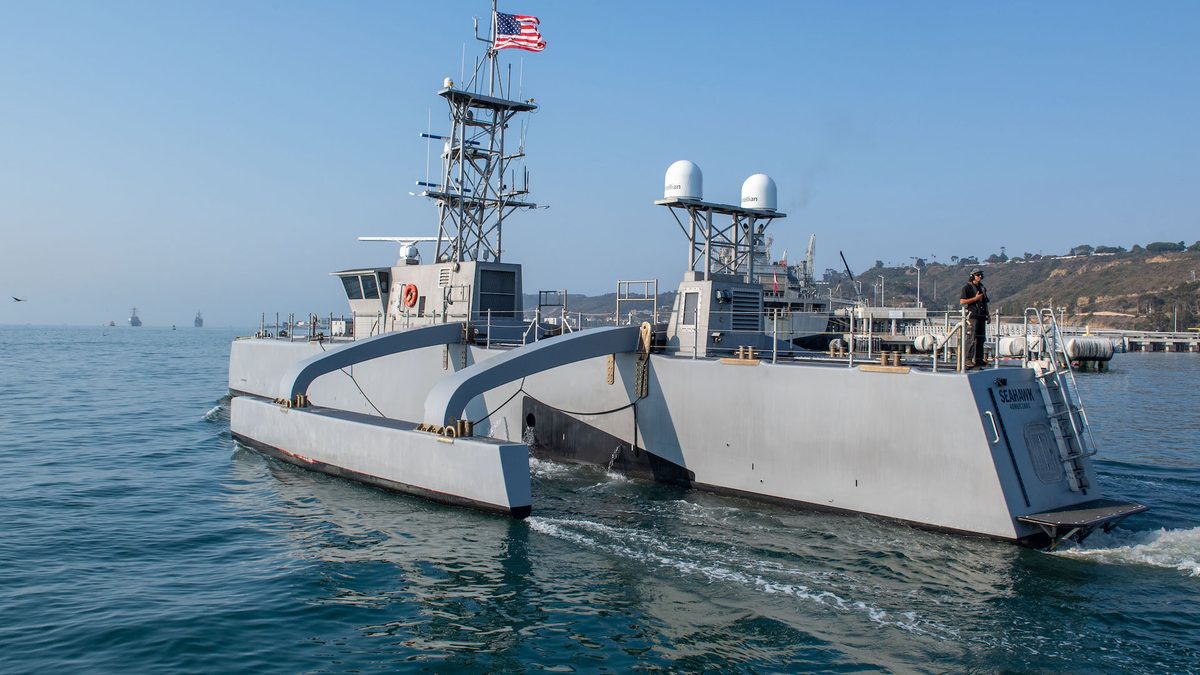
US Navy Moves to High-Volume Procurement Model for Medium USV Phase II
The Navy's solicitation, published on 23–24 September, seeks medium uncrewed surface vessels (MUSV) capable of at least 10 days of autonomous open-ocean operations and of carrying two 20-foot container payloads weighing 24 tonnes each. Successful platforms will be added to an online "marketplace" on drones.mil, from which authorised units will be able to order directly.
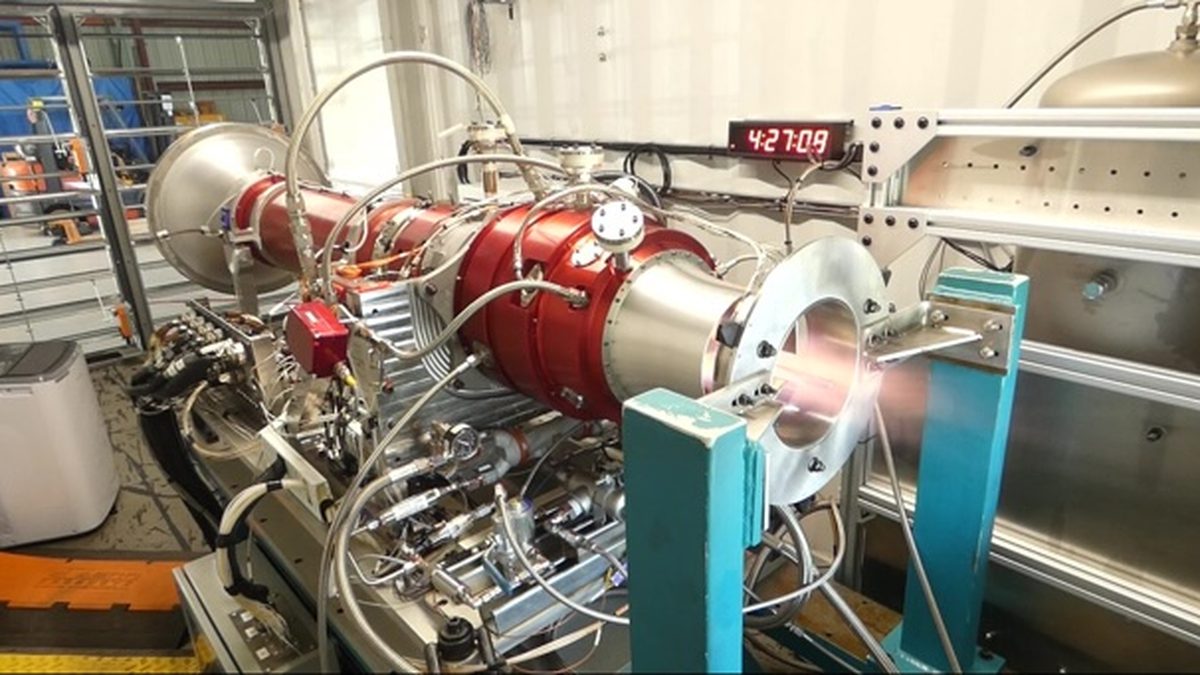
GE Aerospace and Kratos Complete First Firing of GEK800/F143 Missile Engine
The first serial-numbered example of the GEK800 (officially designated F143) turbofan engine, jointly developed by GE Aerospace and Kratos, successfully completed its initial firing phase at Kratos's X-58 test facility; the development was announced on 21 September. The test confirmed that the engine's mechanical architecture, digital controls and thermal tolerances work as expected. The F143 is being developed as a second source to the Williams F107 at a time when the US plans to procure up to 11,200 cruise missiles over the next five years.
Never miss a development
Follow Türkiye's defence, aerospace and space agenda every week in a single stream with the SAHA Bulletin.