
SAHA Bulletin
IAC 2026 Concludes in Antalya with More Than 7,500 Participants from 111 Countries
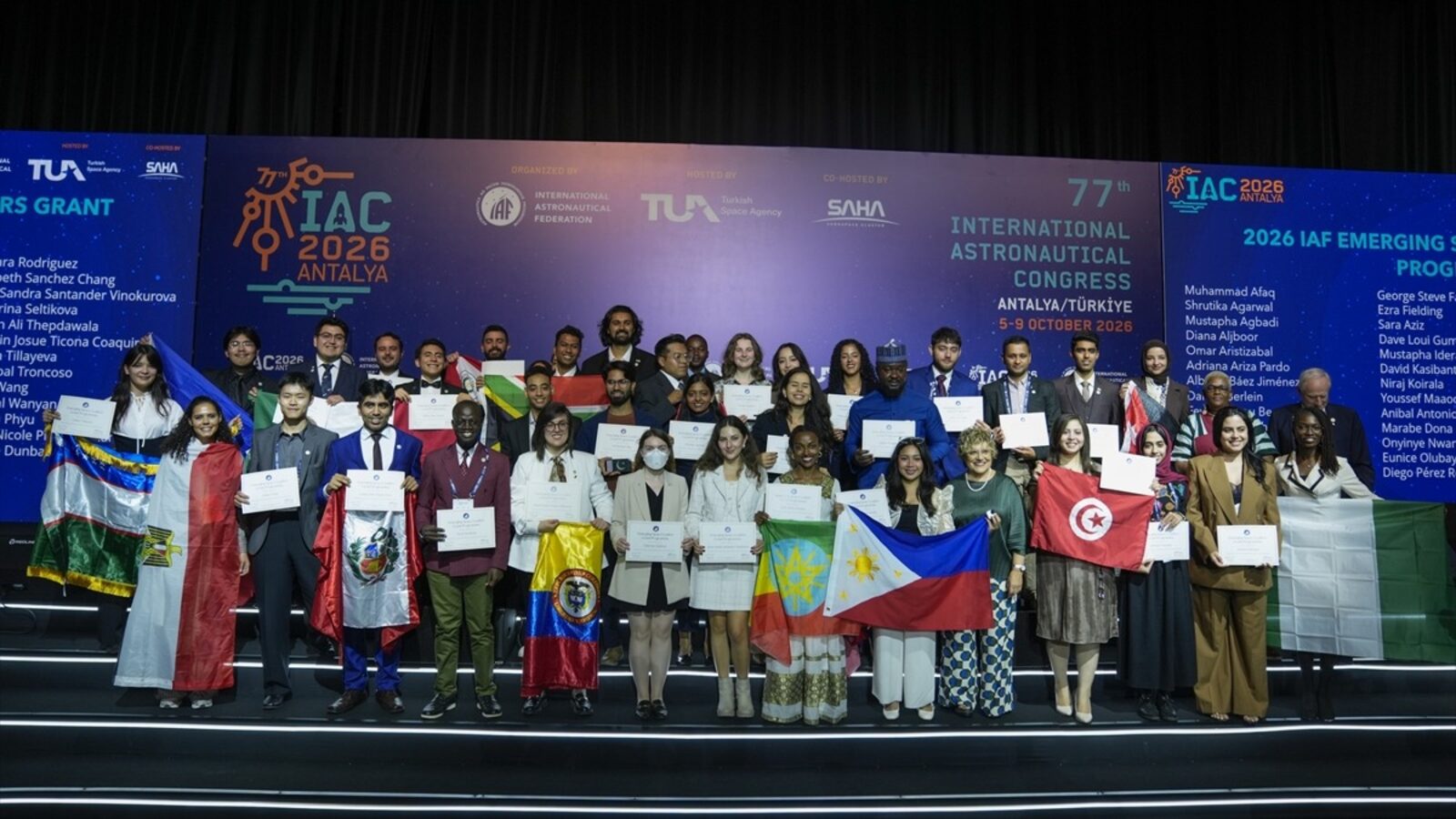
At the closing ceremony on 9 October, IAF President Gabriella Arrigo announced that the congress had welcomed more than 7,500 participants from 111 countries and that 250 exhibiting and co-exhibiting companies had taken part. According to Arrigo, 51 new organisations joined the IAF during the congress, bringing the federation's membership to more than 621 from 84 countries. Turkish Space Agency (TUA) President Yusuf Kıraç said that more than 8,300 paper abstracts had been presented at the congress and that more than 10,000 visitors had been welcomed on Public Day, held on the final day. At the ceremony, a contract was signed between Poland and the IAF for the 2027 congress; IAC 2027 will be hosted by the European Space Foundation in Poznań, while the 80th congress, following Switzerland's joint bid, will be held at Palexpo in Geneva on 8–12 October 2029. The 2026 Frank J. Malina Astronautics Medal was awarded to Prof. Franco Bernelli Zazzera.
President Erdoğan Opens IAC 2026 as SAHA İstanbul Takes the Stage as Co-Host
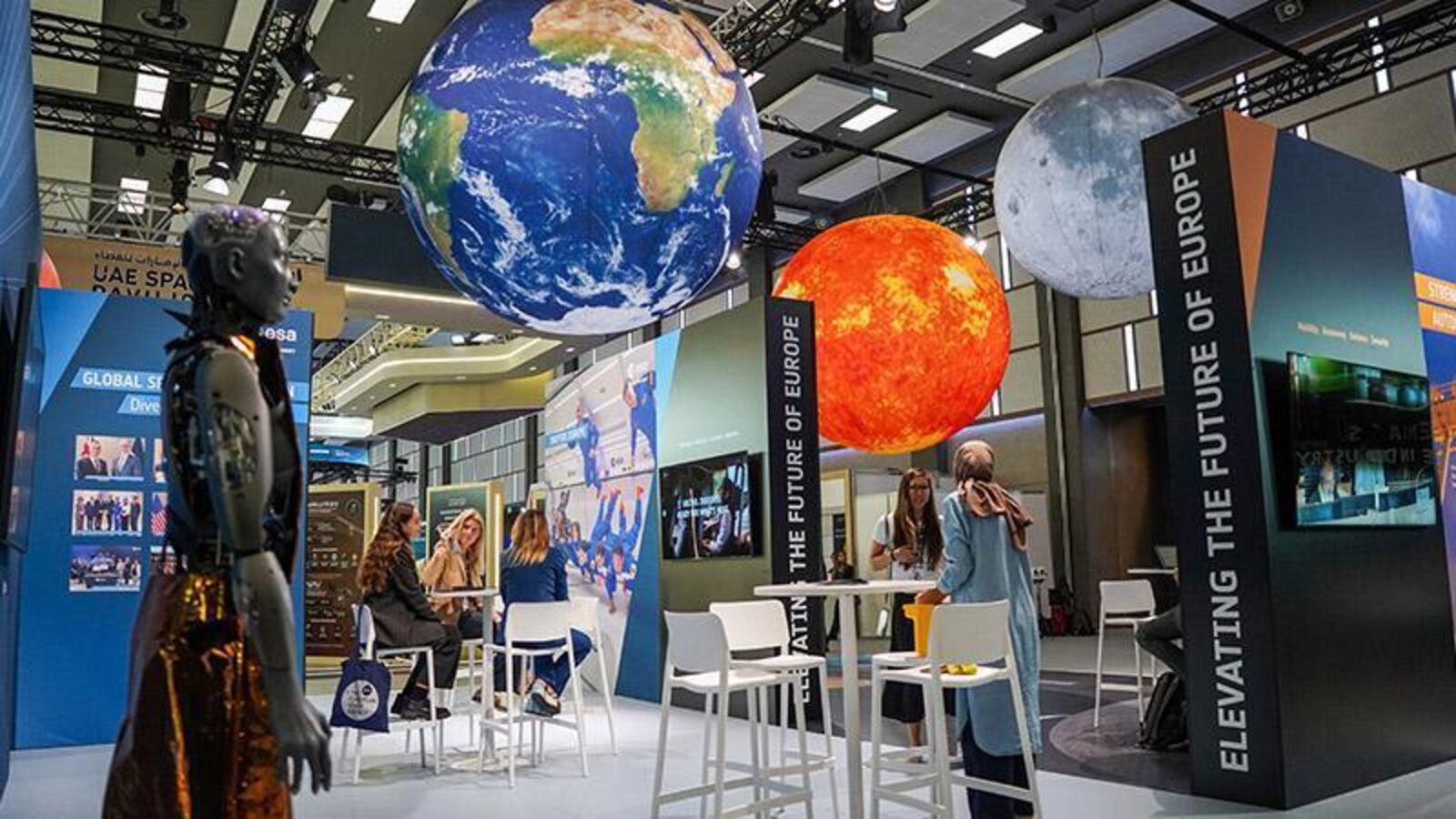
The congress was officially opened on 5 October with the participation of President Recep Tayyip Erdoğan; Türkiye's industrial and technological capacity was at the centre of the opening agenda of the congress, organised under the coordination of the Ministry of Industry and Technology and co-hosted by the Turkish Space Agency and SAHA İstanbul. Speaking at the opening, SAHA İstanbul Chairman Haluk Bayraktar said that the localisation rate in defence, aerospace and space, which stood at 20% in 2002, had risen to over 80%, and that annual exports of around $250 million had grown to more than $11 billion, adding: "We now achieve in just one week the exports we made over an entire year in 2002." He stressed that the same work culture had been carried into space over the past 10 years with Turkish Aerospace (TUSAŞ), ASELSAN, ROKETSAN, Fergani and DeltaV. Minister Mehmet Fatih Kacır noted that Türkiye is one of 11 countries able to produce communication satellites and said that the national lunar rover is targeted for launch in the first months of 2027. At the ceremony, the IAF World Space Award was presented to the UAE Space Agency.
TUSAŞ and ROKETSAN Sign HÜRSAT-2 Contract for Serially Producible HÜRSAT Satellite Family
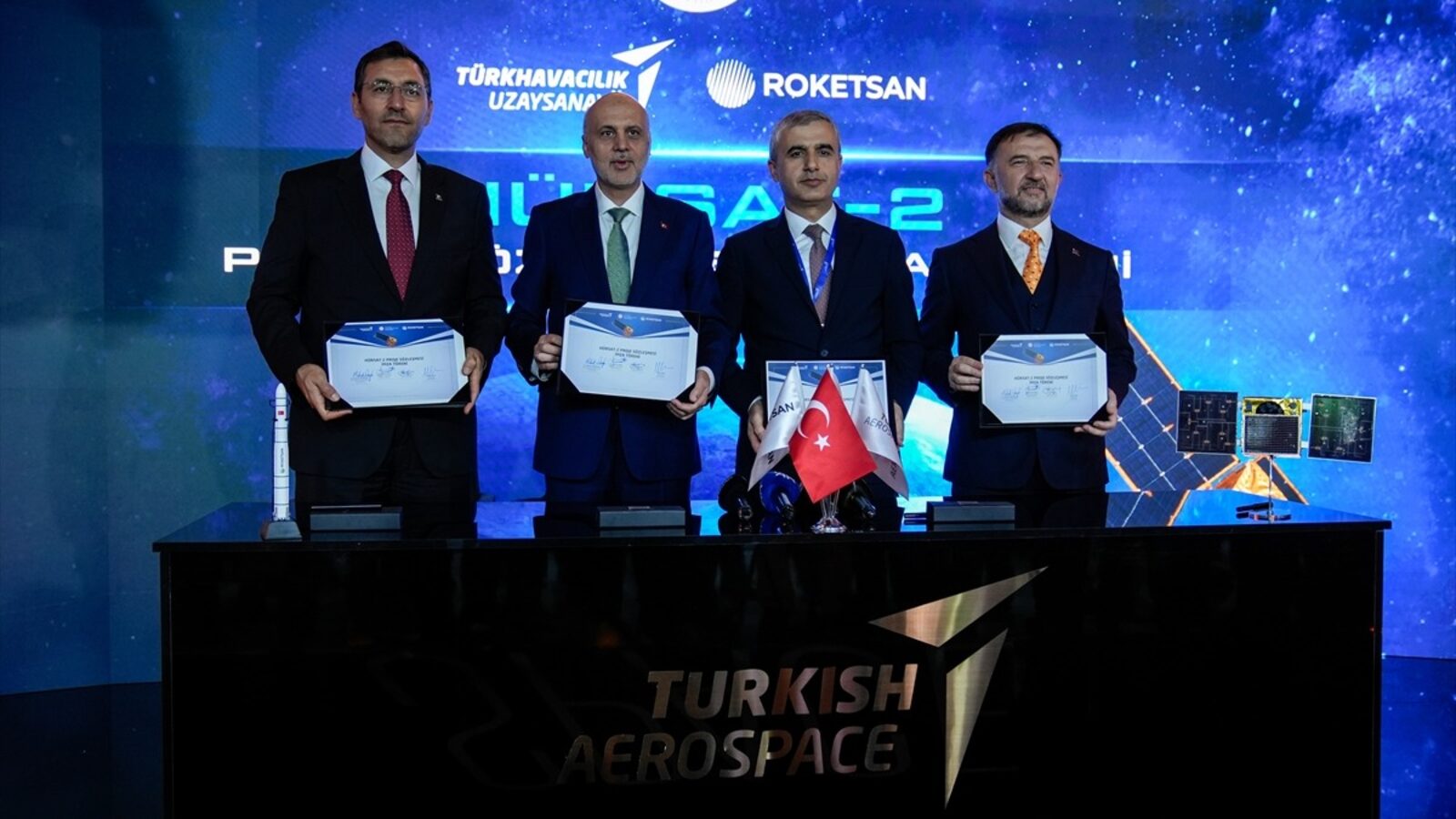
On 5 October, at the TUSAŞ pavilion at the congress, TUSAŞ and ROKETSAN signed the HÜRSAT-2 project contract, the second step of HÜRSAT, Türkiye's first serially producible satellite family. The ceremony was attended by Vice Presidents of Türkiye's Presidency of Defence Industries (SSB) Mustafa Şeker and Hüseyin Avşar, TUSAŞ General Manager Mehmet Demiroğlu and ROKETSAN General Manager Murat İkinci. In the HÜRSAT family, which can be configured for different missions in the 200–650 kilogram mass range, pre-launch tests of HÜRSAT-1 are continuing at TUSAŞ; HÜRSAT-2 will reduce the platform's weight. TUSAŞ is responsible for the satellite computer, power and interface units, ground and flight software, and command and control of the system, which targets sub-metre resolution and wide-area imaging and will support a constellation architecture in sun-synchronous orbit. SSB stressed that the contract lays the foundation for the TUSAŞ satellite to be launched into space with national means on ROKETSAN's launch system.
ASELSAN Unveils ASTRALINK/GÖKBAĞI, a 198-Satellite LEO Constellation Project
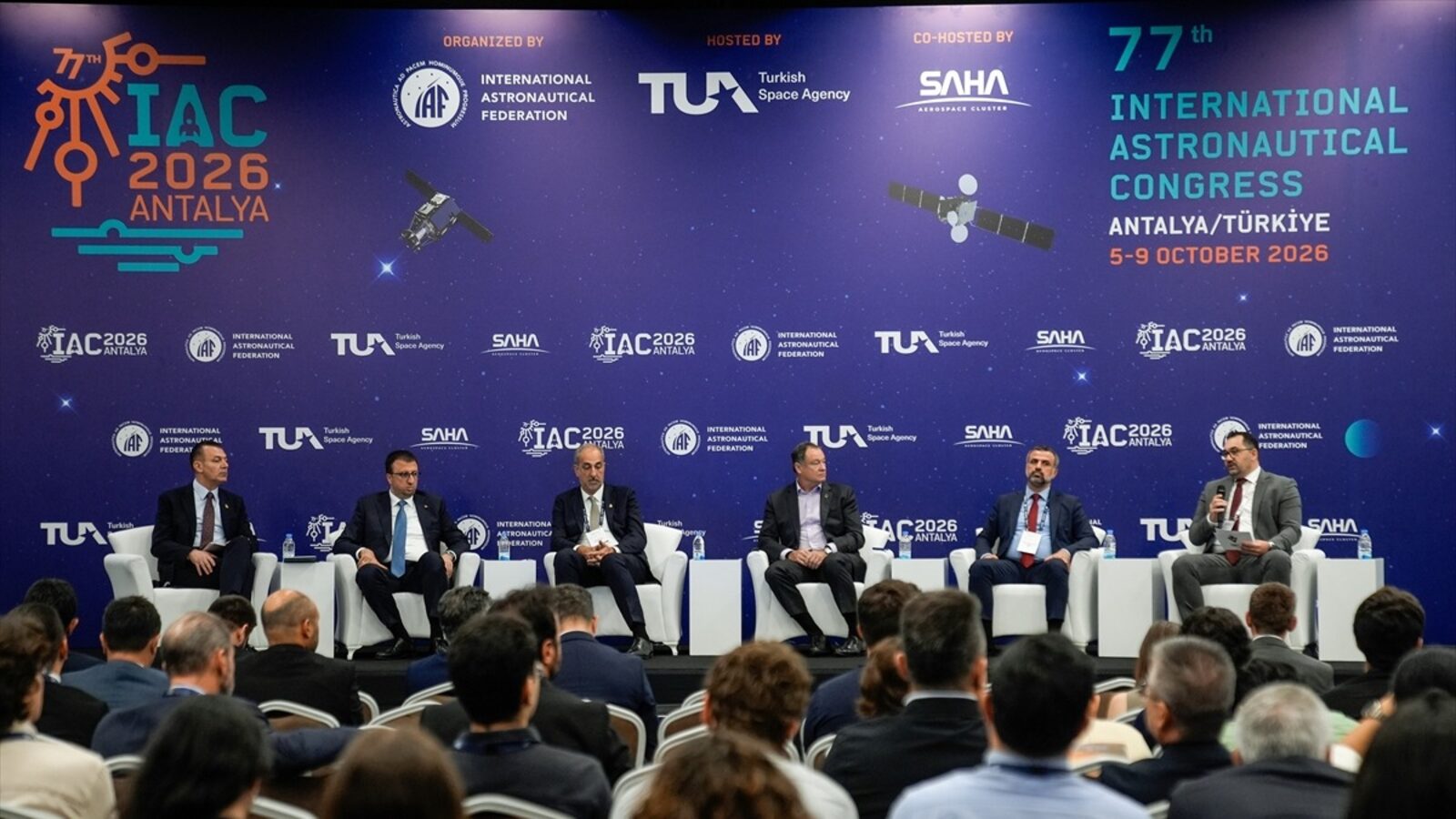
ASELSAN General Manager Ahmet Akyol announced at a panel on 6 October that the company had launched ASTRALINK (GÖKBAĞI), a constellation project of 198 interconnected satellites in low Earth orbit, with the first satellite targeted for launch within two years. Launched at the end of last year, the project will serve Türkiye and allied countries. Akyol said that there are more than one million ASELSAN user terminals in the field, that the constellation will work in integration with terrestrial networks to provide secure and uninterrupted communications, and that the system will rely on ASELSAN's own waveforms and national chips as well as subsystems produced within the domestic ecosystem. On the same panel, TUA Board Member Prof. Dr. Arif Karabeyoğlu said that the spaceport in Somalia is intended to be opened to international use in addition to Turkish launchers.
ROKETSAN: ŞİMŞEK-1 to Carry 400 kg and ŞİMŞEK-2 1.5 t Payloads to Orbit
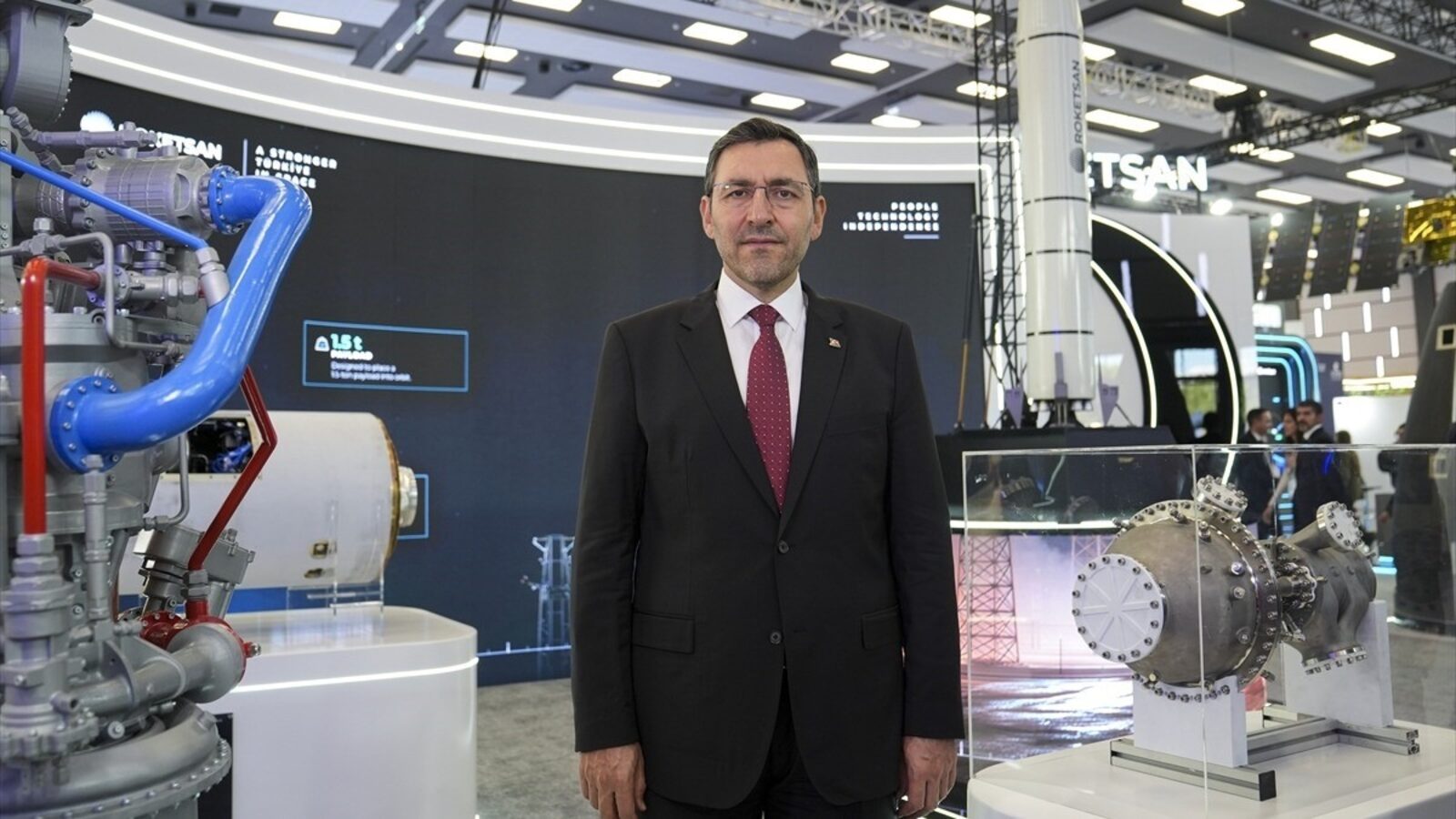
ROKETSAN General Manager Murat İkinci announced that work is continuing for the satellite launcher ŞİMŞEK-1 to carry 400-kilogram and the heavy-class ŞİMŞEK-2 to carry 1.5-tonne class payloads to orbit. İkinci said that at the congress they had held talks with global space agencies and aerospace companies on subsystems and payloads to be carried on future launchers. Stressing that ROKETSAN develops space engines, liquid-propellant propulsion systems, solid-propellant motors, space-qualified navigation and attitude control systems, and manoeuvring technologies in its own facilities, İkinci said that major spacefaring nations do not share their rocket and propulsion technologies, which is why domestic R&D is the key to independent access to space.
Fergani Space to Launch 150 kg Test Satellite FRG-100 D4 Within Two Weeks
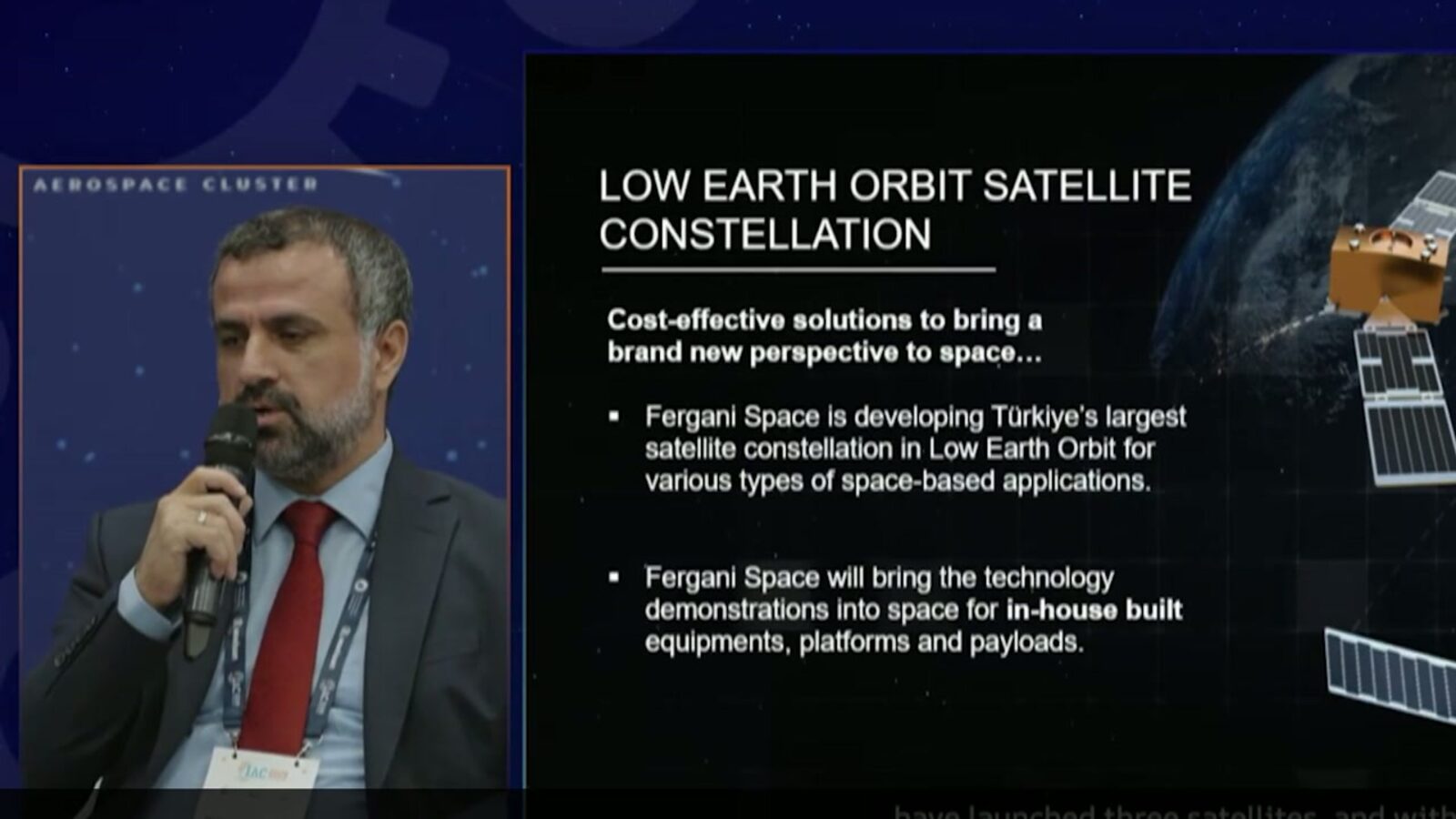
Fergani Space Deputy General Manager Hasan Hüseyin Ertok announced that the 150-kilogram FRG-100 D4 test satellite will be launched within two weeks. Founded in 2022, the company has so far launched three test satellites weighing over 100 kilograms; with the orbital transfer vehicle sent into orbit in 2025, altitude was raised from 550 kilometres to 1,200 kilometres. The constellation system, presented under the name Uluğbey, will provide encrypted, jam-resistant L- and C-band positioning, navigation and timing (PNT) services and Ka-band broadband communications from an altitude of 1,200 kilometres. According to the timeline, the second orbital transfer vehicle will be launched next year, serial production of the satellites will begin in the second half of 2028, and service is targeted to start by 2031 with more than 200 satellites.
TÜRKSAT 7A Targets November Contract, Followed by Production
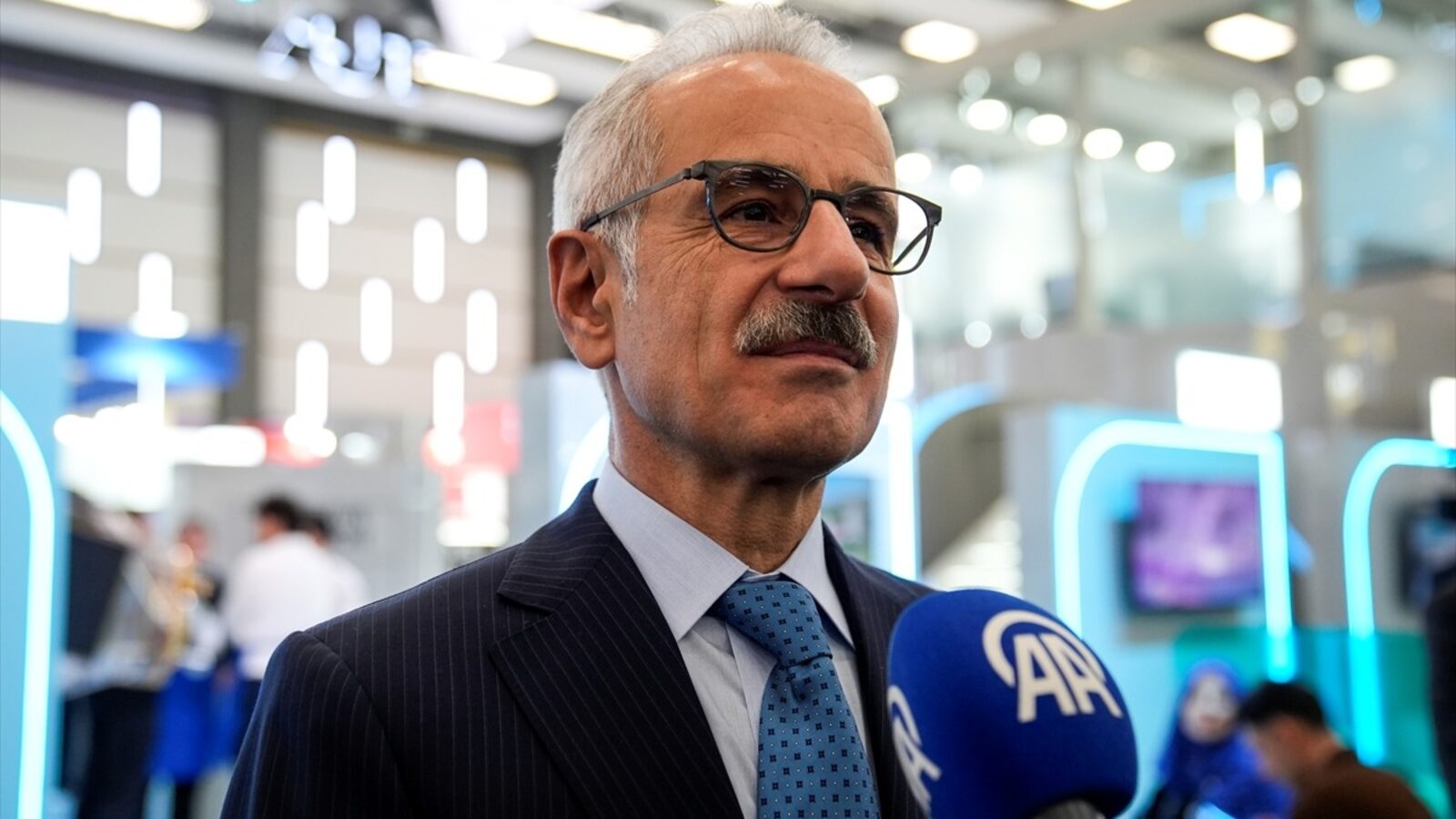
Minister of Transport and Infrastructure Abdulkadir Uraloğlu said that they are at the contract stage for TÜRKSAT 7A and will probably complete the contract in November and begin the production process. The statement is an official programme target, not a finalised contract. Recalling that Türkiye launched TÜRKSAT 6A with a localisation rate of over 80%, Uraloğlu said that the satellite network reaches 5.5 billion people and that the aim is to increase capacity; he noted that domestic organisations such as TÜRKSAT, TÜBİTAK and ASELSAN presented their products at the congress.
METU Completes Prototype of CHERI Lunar Rover, Targets 2030 Launch
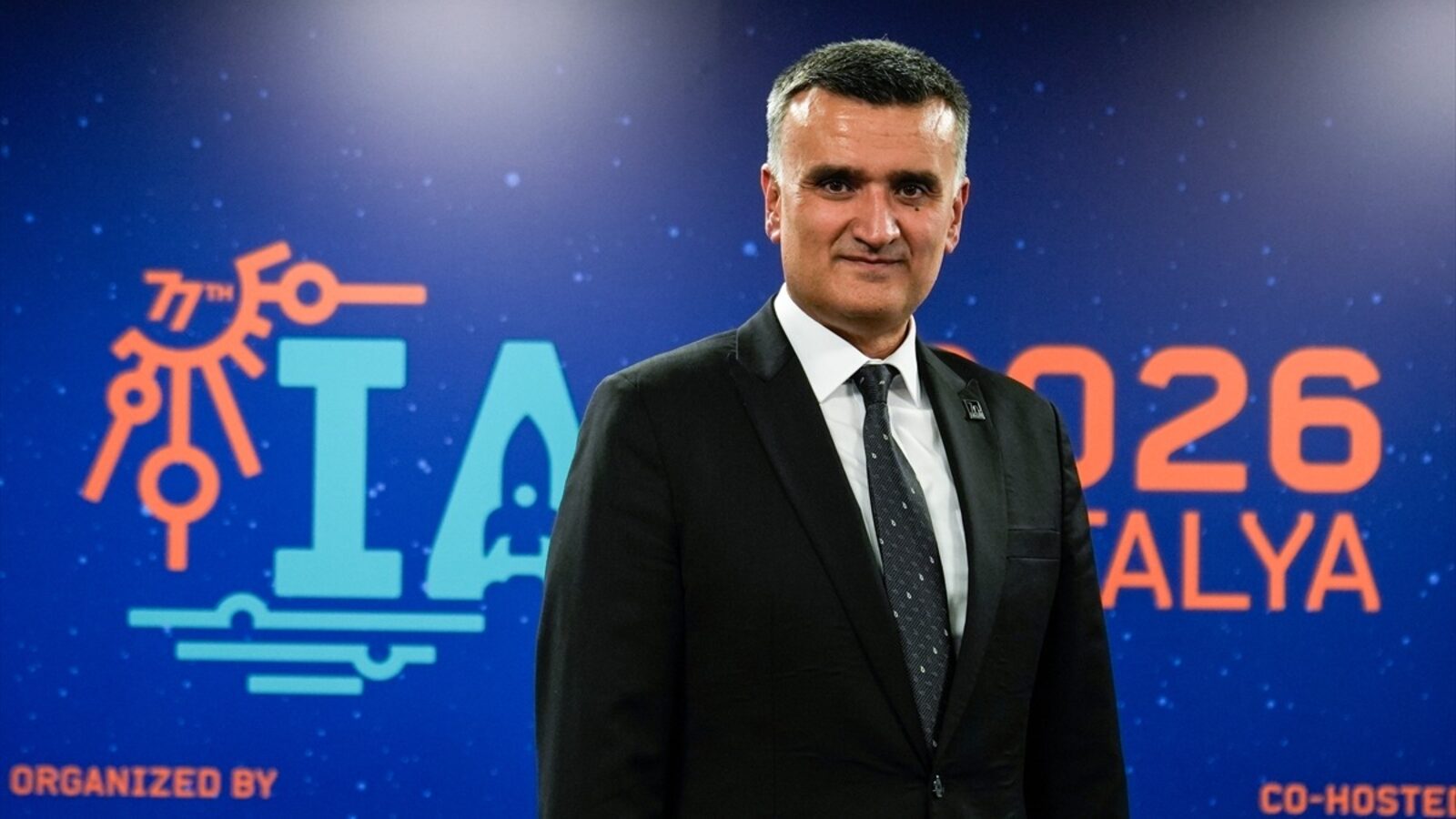
Middle East Technical University (METU) Rector Prof. Dr. Ahmet Yozgatlıgil announced that the prototype of CHERI has been completed for the micro rover that will operate on the lunar surface, that testing is continuing and that the launch is planned for 2030. Developed in cooperation with the China National Space Administration, the two AI-supported, autonomous CHERI rovers will work together at the Moon's south pole in low-light and extremely low-temperature conditions to carry out topology studies, remote-sensing analysis of rock samples and mapping; more than 120 students are involved in the project. Yozgatlıgil also announced that METU Space Teknokent, the first space technopark under the National Space Programme, has been launched, and that the university has joined Axiom Space's microgravity research cooperation.
Turkish Space Start-ups Hold Cooperation Talks with Global Companies and Agencies at IAC 2026
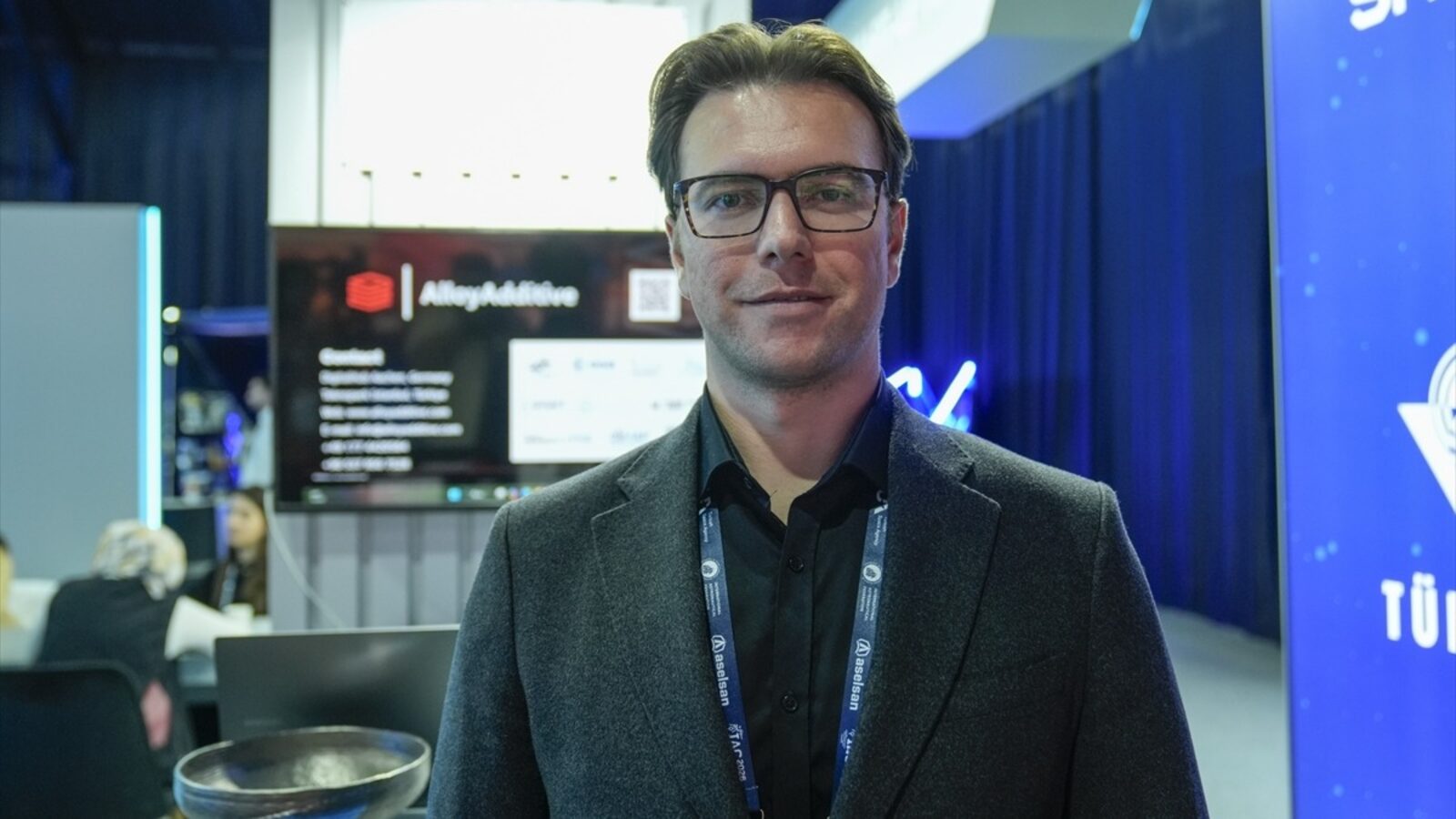
In the start-up section of the Future Space area, created for the first time at a space congress, 10 Turkish space start-ups selected with the support of the Ministry of Industry and Technology, TUA and TÜBİTAK held B2B meetings with space agencies and international industrial organisations. Alloy Additive, which produces large-scale metal parts from special titanium- and nickel-based alloys, announced that it has received European Space Agency approval, exports to Spain and France, and that its parts will be used in Türkiye's lunar mission next year. Spacelis, which develops nanotechnology-based solutions for space-based solar power, and SPACROL, which produces attitude control ground test systems for satellites, also held cooperation talks with domestic and foreign companies at the congress.
TÜRKSAT and China Satcom Sign Joint R&D, Product Development and Commercialisation Agreement
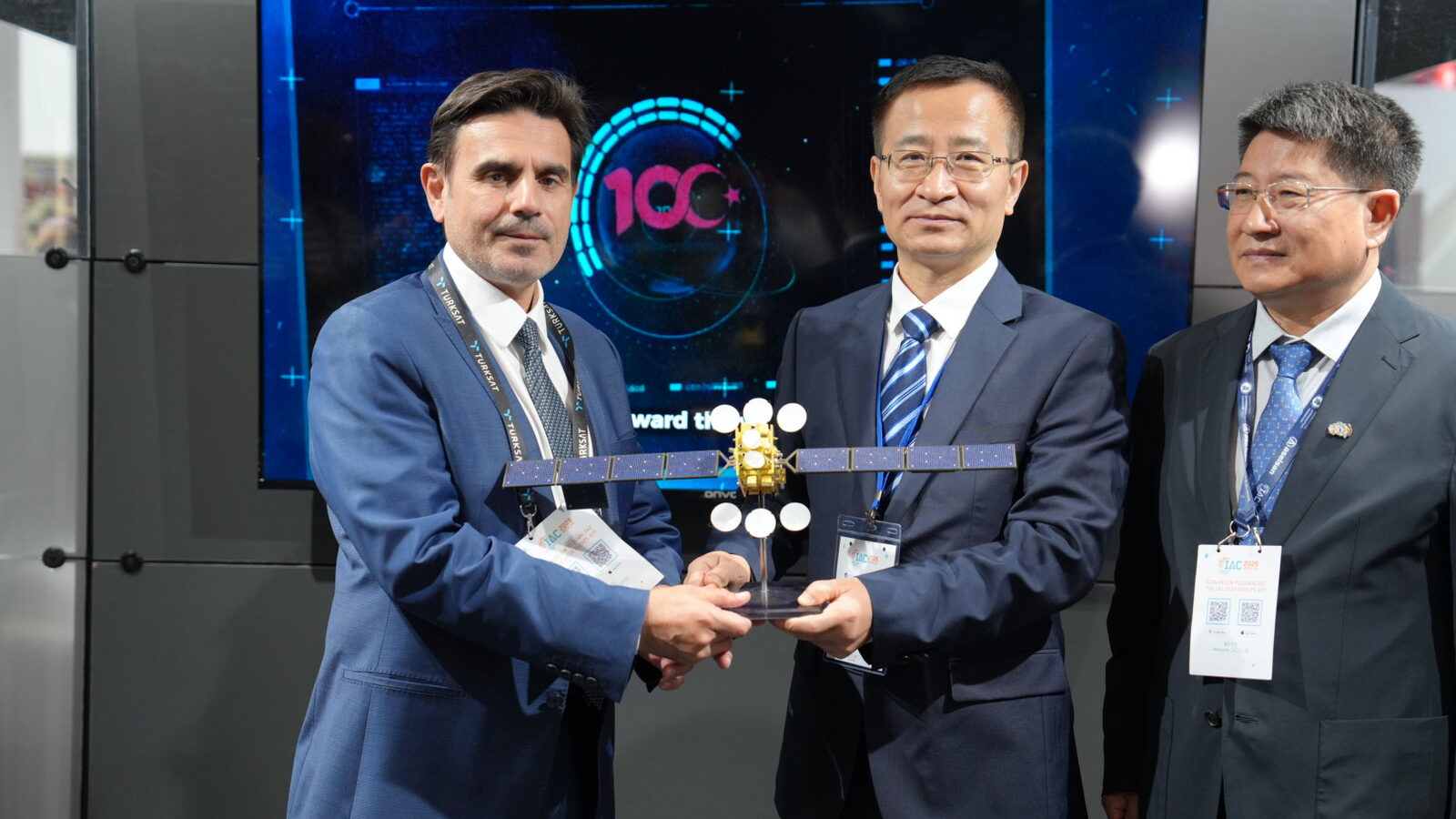
TÜRKSAT Satellite Services Deputy General Manager Selman Demirel and China Satcom CEO Ma Haiquan signed an agreement at the TÜRKSAT stand at the congress that takes the partnership between the two organisations to the hardware and software development stage. The cooperation, which began last year with capacity sharing and was expanded at World Space Business Week in Paris, covers UAV communication systems, satellite-based Internet of Things (IoT) and smart border security technologies. Hardware enabling energy, agriculture and logistics devices to be managed via satellite in areas beyond the reach of terrestrial networks will be developed jointly by Turkish and Chinese engineers; the work will be reviewed quarterly by a Joint Steering Committee with equal representation. The financial value of the agreement was not disclosed.
Turkish Space Agency Signs Two Agreements with OTS Countries and UK Space Agency
TUA signed two international agreements in the first two days of the congress: a framework agreement continuing the cooperation in the joint CubeSat project run under the coordination of the Organization of Turkic States (OTS), and a goodwill agreement with the UK Space Agency (UKSA). The OTS framework agreement aims to advance joint work among the space agencies of member states and lay the groundwork for future space projects. The goodwill agreement signed with UKSA, meanwhile, is not a binding project contract; it establishes a framework for joint cooperation and project development in space between the two agencies.
32 Representatives from 21 Countries Adopt "Antalya Declaration on Space for Peace" Ahead of IAC 2026
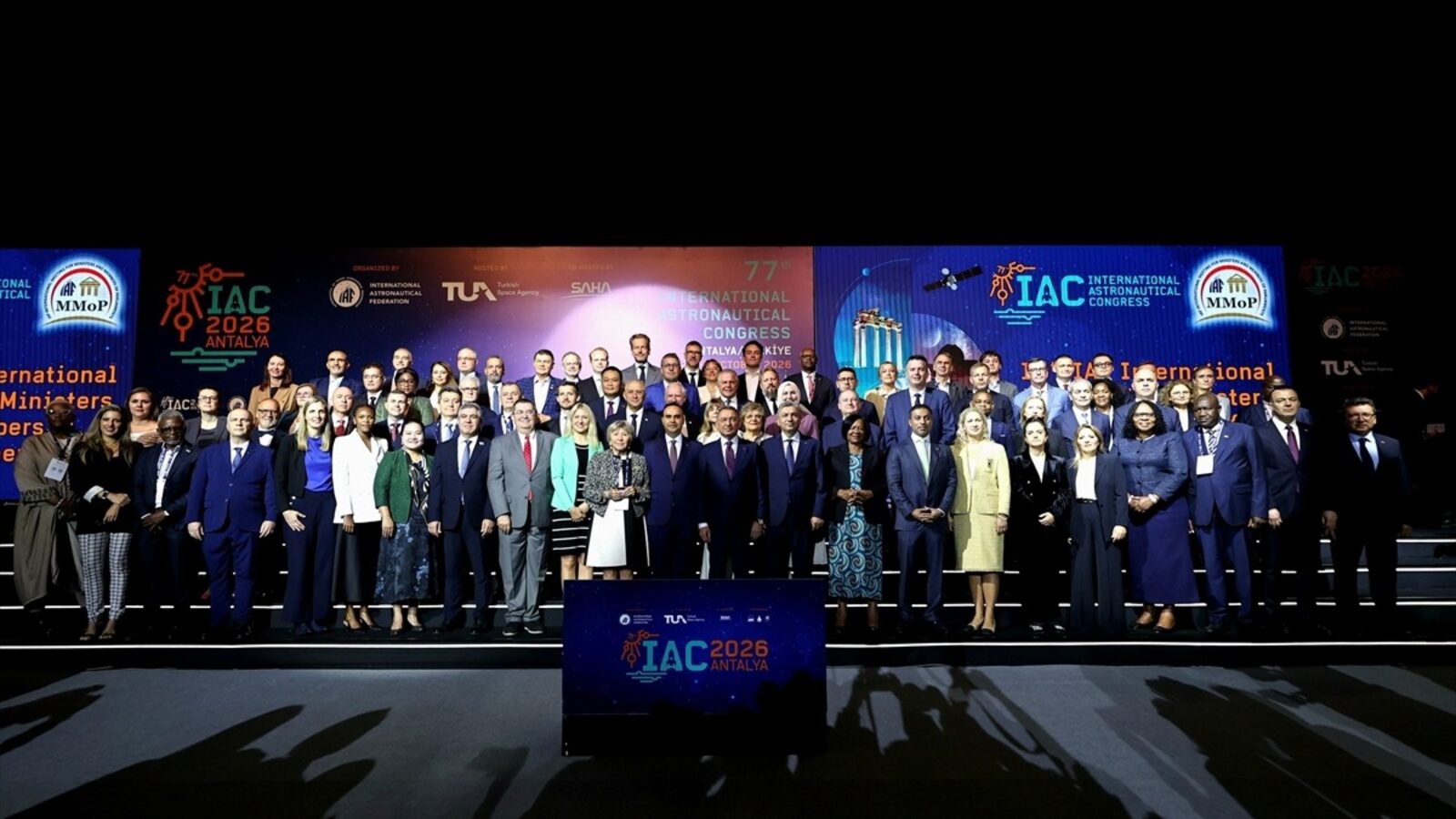
At the 16th Meeting of Ministers and Parliamentarians (MMoP), hosted by Minister Mehmet Fatih Kacır in Antalya on 4 October, 32 participants from 21 countries — ministers, members of parliament and heads of space agencies — adopted the "Antalya Declaration on Space for Peace". The meeting, attended by high-level representatives from 38 countries, adopted a joint declaration for the first time in its history. The text, initiated by Türkiye and developed in consultation with the IAF, aims to create a common international framework for the peaceful, sustainable and responsible use of space; countries not yet party to it have also been invited to sign. Kacır noted that the global space economy reached a record $686 billion in 2025, with around four-fifths of this coming from commercial activities.
ESA and Vast Sign MoU Expanding Cooperation for the Post-ISS Era
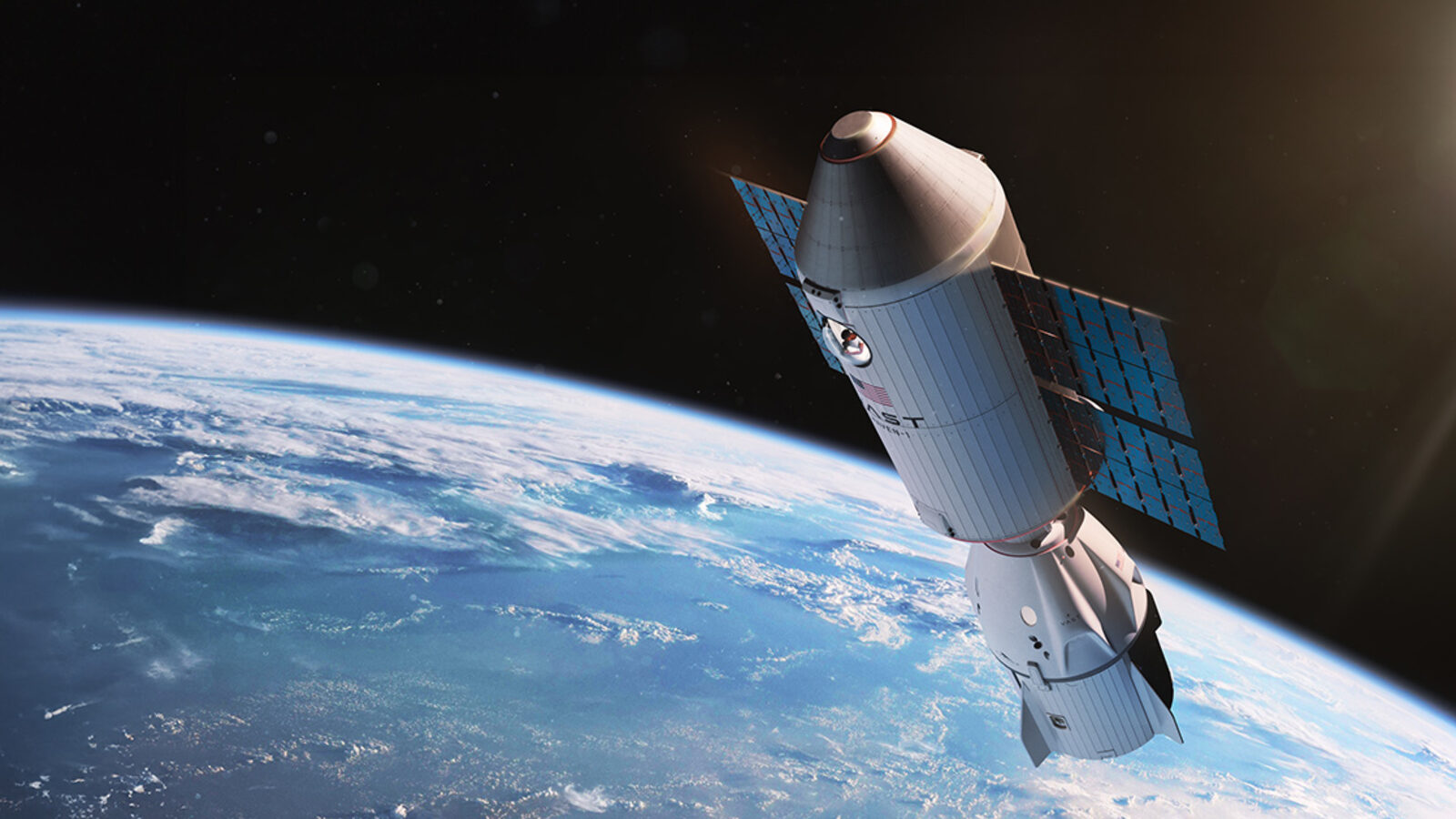
The European Space Agency (ESA) and US company Vast signed a memorandum of understanding (MoU) at the congress expanding their framework for cooperation in low Earth orbit in the post-ISS era. The document replaces the MoU the two parties signed at ILA Berlin in 2024; it covers potential ESA astronaut missions to the Haven station developed by Vast, ESA hardware contributions, joint research campaigns and information sharing on future European cargo and crew vehicles servicing the station. The framework, initially valid for three years, will begin with a feasibility study to draw up a roadmap for binding agreements; it does not constitute an order for a new station. ESA and Vast are already working together on four human missions, including the first crewed mission to Haven-1 planned for 2027.
NASA Shares First Scientific Findings from Artemis II Mission at IAC 2026
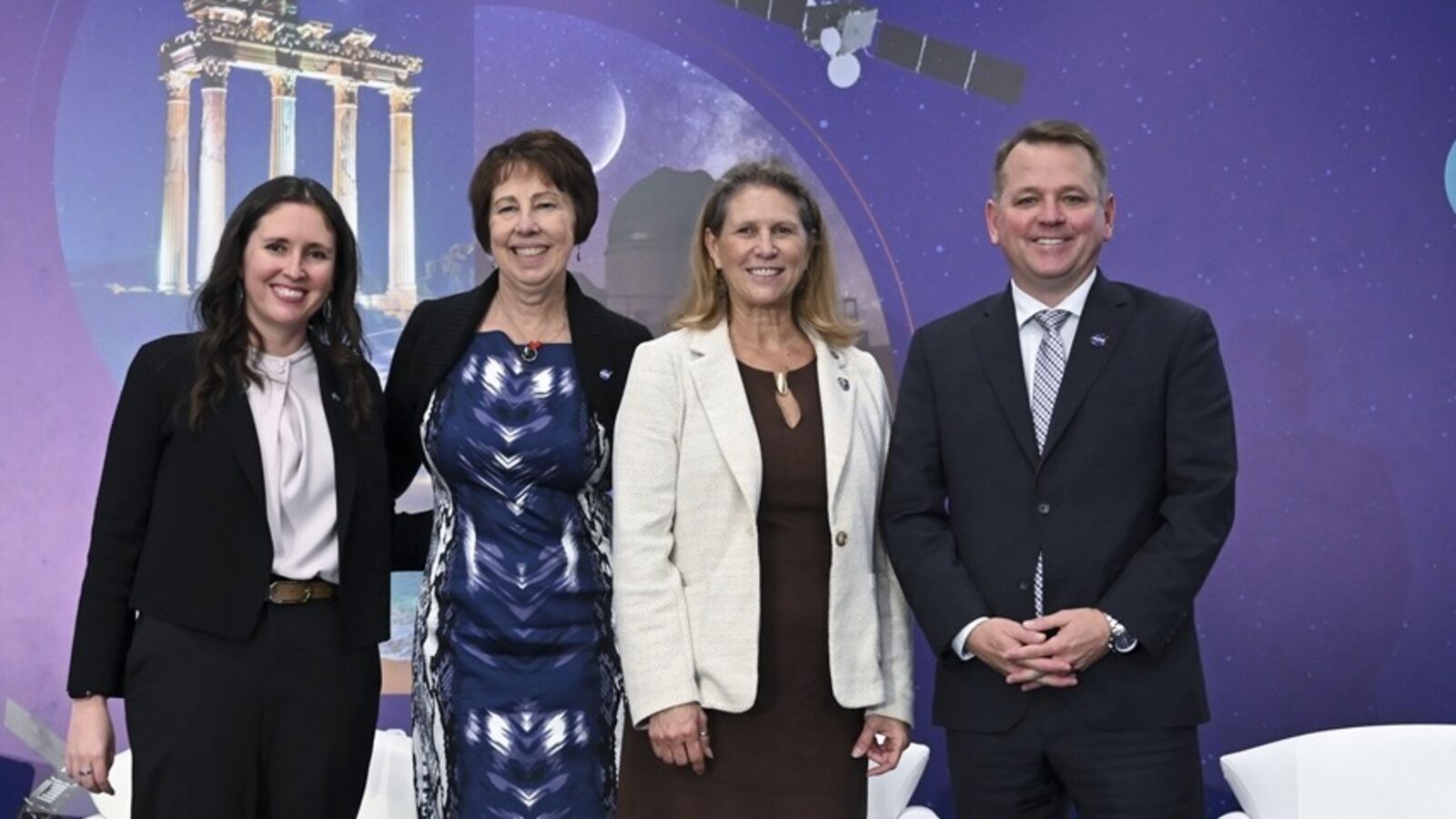
Coinciding with a session it held at the congress, NASA published the first lunar science findings from the Artemis II crewed lunar mission. NASA Deputy Administrator Matt Anderson said that six months after the mission, the lunar science data archive has been made fully accessible and that work on Artemis III is continuing for 2027. According to Artemis Science Flight Operations Lead Kelsey Young, more than 800 megabytes of data and 12,000 photographs were collected during the mission, each suitable for use in scientific analysis. Nicola Fox of the Science Mission Directorate stressed that Artemis II showed how science can be integrated into human spaceflight in real time.
ESA Weighs Whether Europe Should Develop Its Own Astronaut Transport Capability
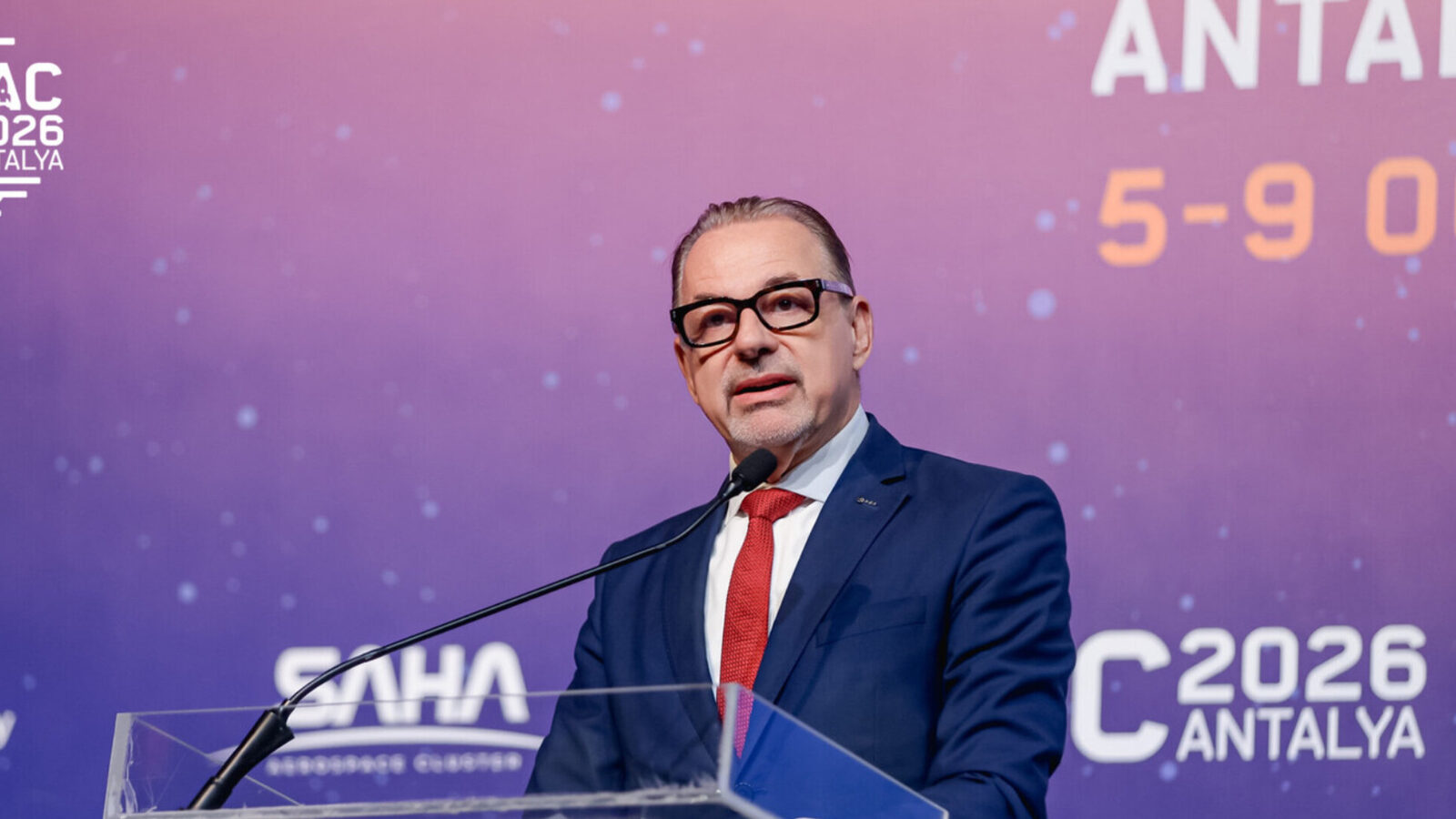
ESA Director General Josef Aschbacher announced that the agency has been mandated to prepare decisions on strengthening autonomy in human and robotic exploration for the intermediate Ministerial Council meeting to be held in Rome in December, and that the questions under review include Europe developing its own astronaut transport capability. Chairing the ministerial round table on the first day of the congress, Aschbacher said this step would be taken "not to isolate ourselves, but on the contrary to be a very strong partner for the countries we work with", adding that NASA's new approach to lunar exploration had encouraged Europe to increase its capacity and autonomy. The option, which is still at the evaluation stage rather than a decision, will be presented to the December 2026 ministerial meeting.
IAC 2026 Contributes Around €20M to Antalya's Economy
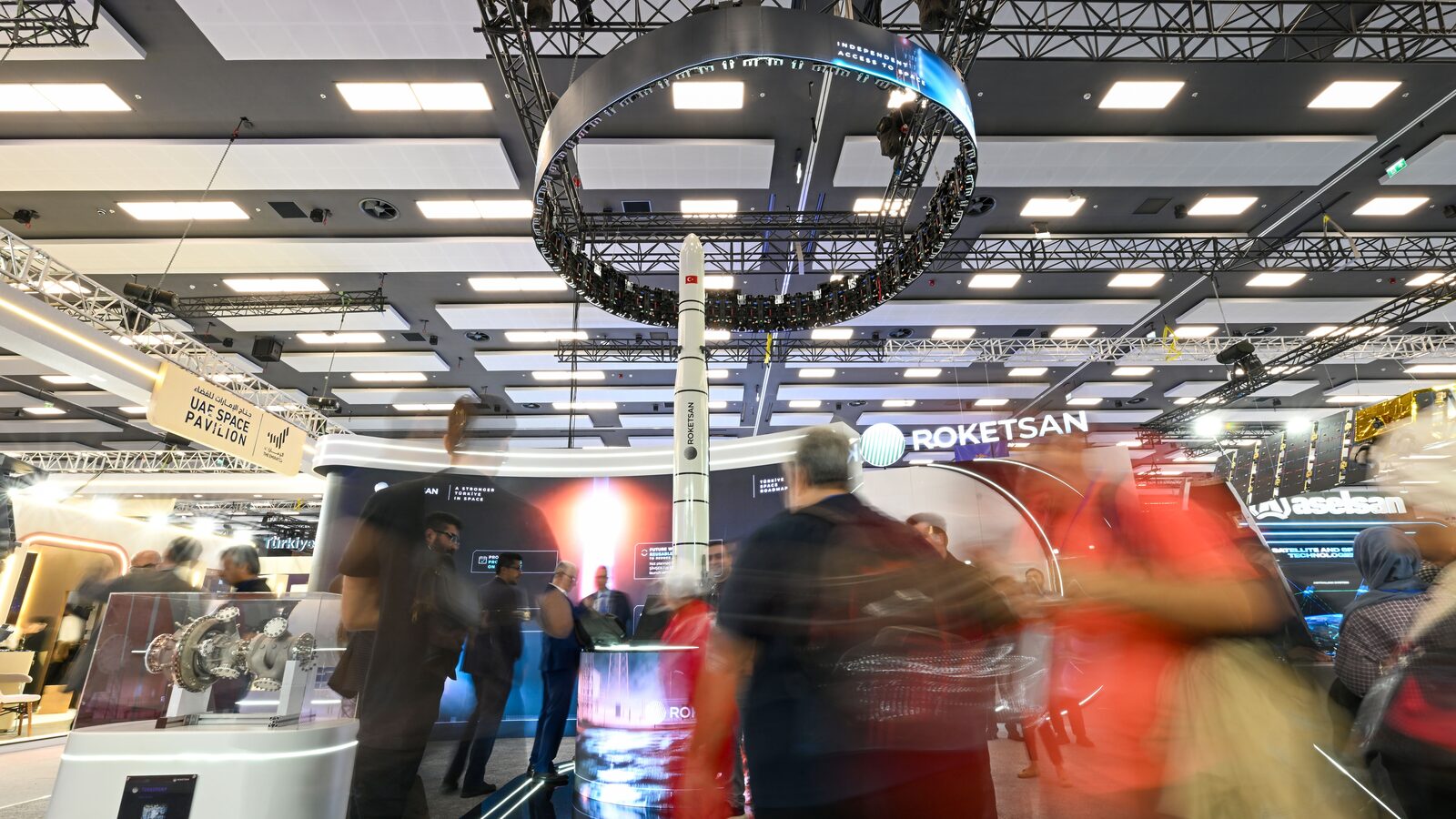
Mustafa Fethi Gürbüz, Chairman of organiser GL events Türkiye Serenas Group, announced that IAC 2026 contributed around €20 million to Antalya's economy, a figure that will rise further with accommodation and other spending. Gürbüz said that preparations lasting around three years were carried out in coordination with the Ministry of Industry and Technology, TUA and SAHA İstanbul, and that the capacity of the NEST Congress Centre was increased for the congress, with additional buildings and tent areas set up. Stressing that in terms of participant numbers the congress surpassed the 7,800-person World ENT Congress previously hosted by Antalya, Gürbüz drew attention to Türkiye's potential in congress tourism.
Young People Meet Astronauts at IAC 2026 Public Day
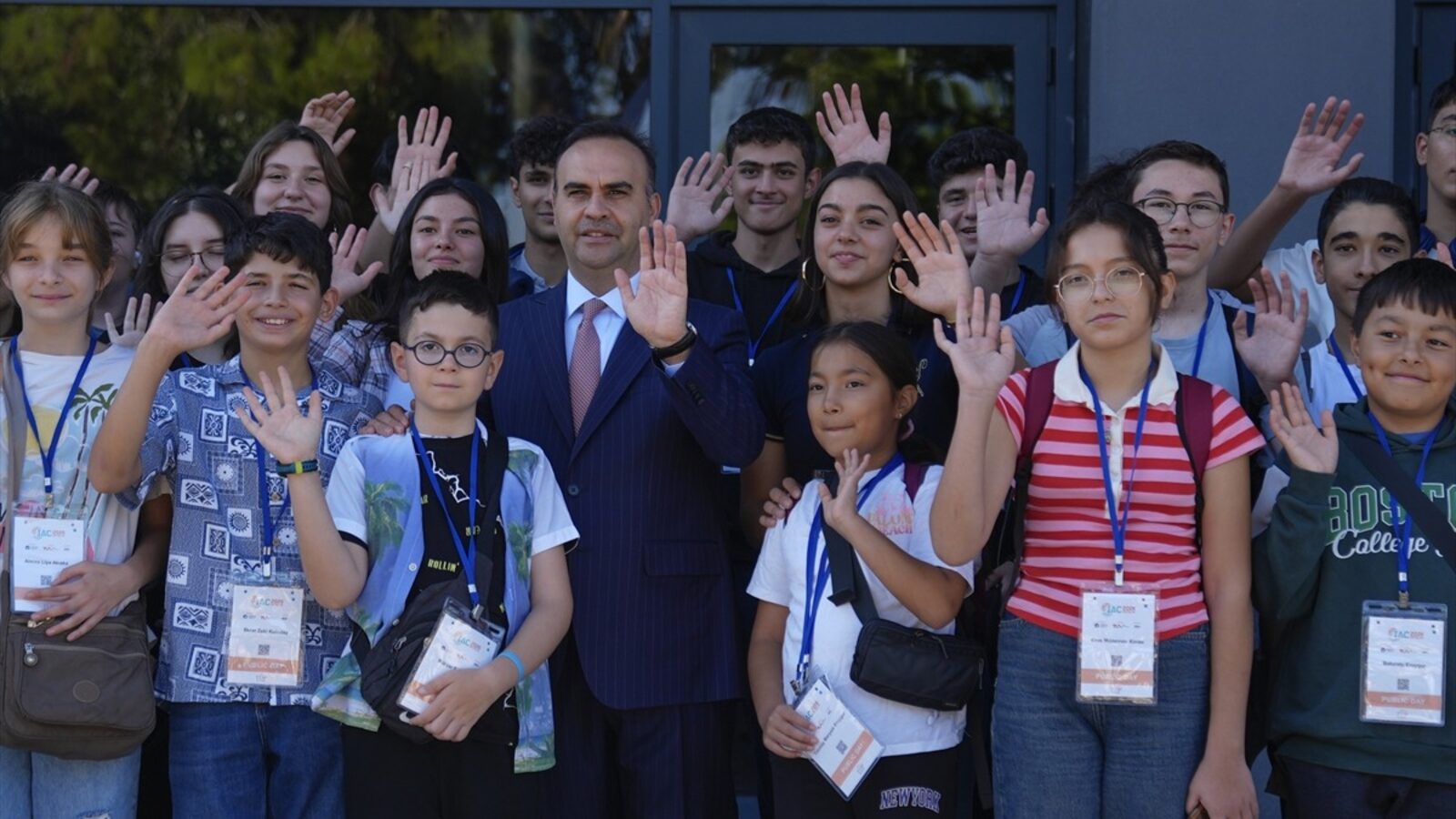
The congress opened its doors to the public on its final day, 9 October; visitors, who attended with free registration, enjoyed astronaut signing sessions, the Future Space experience area set up for the first time at a space congress, and technology exhibitions. Public Day featured the panel "The Future Starts Here: Technology, Space and the New Generation", attended by Minister Mehmet Fatih Kacır and Baykar Chairman Selçuk Bayraktar; the "Anadoludakiler" exhibition and the documentary "Salda: A Bridge to the Red Planet" were also presented to visitors. According to TUA President Kıraç, more than 10,000 visitors were welcomed on Public Day.
Never miss a development
Follow Türkiye's defence, aerospace and space agenda every week in a single stream with the SAHA Bulletin.