
SAHA Bulletin
SAHA İstanbul Connects Thracian Industry with Defence Prime Contractors at ÇEF 2026
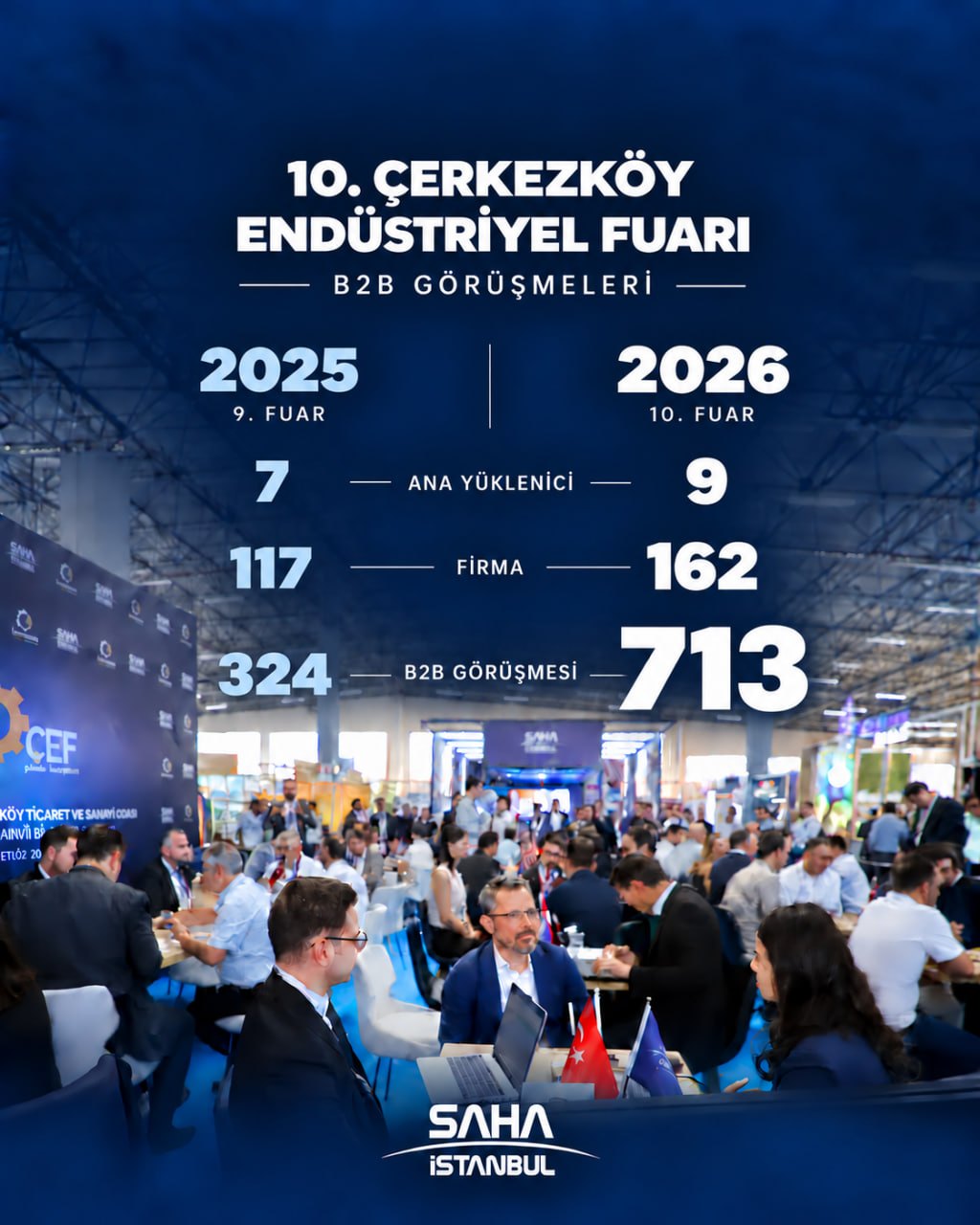
SAHA İstanbul ran the defence industry B2B meetings at the 10th Çerkezköy Industrial Fair (ÇEF 2026), held on 9–11 September. In meetings held between 11:00 and 17:00 on the first day of the fair, companies from the region had the opportunity to present their production capabilities directly to the prime contractors of the defence and aerospace industry.
According to data shared by SAHA İstanbul, nine prime contractors and 162 companies met at the event, holding a total of 713 B2B meetings. At last year's 9th fair, the figures stood at seven prime contractors, 117 companies and 324 meetings; the number of meetings more than doubled in one year.
Representatives of ASELSAN, Baykar, MKE, STM, ROKETSAN, TUSAŞ, ASPİLSAN, BEGA and TEİ took part in the meetings; at the same hours, the State Supply Office (DMO) also set up its own B2B desk. Ahead of the fair, Çerkezköy Chamber of Commerce and Industry Chairman Ahmet Çetin had visited SAHA İstanbul's new Secretary General Muttalip Tütüncü to discuss cooperation between the two institutions and the B2B programme at ÇEF.
Organised in cooperation between the Çerkezköy Chamber of Commerce and Industry and Çerkezköy Municipality and hosting 150 domestic and foreign manufacturers, the fair was opened with the participation of Minister of Trade Ömer Bolat. Çetin described the cooperation developed with SAHA İstanbul as part of a vision to make the region's production capability more effective in defence, aerospace and high-technology supply chains, and said they aimed in particular for SMEs to play a greater role in these fields.
SAHA MBA Executive Development Programme Opens 8th Cohort Registration, First Class on 28 September
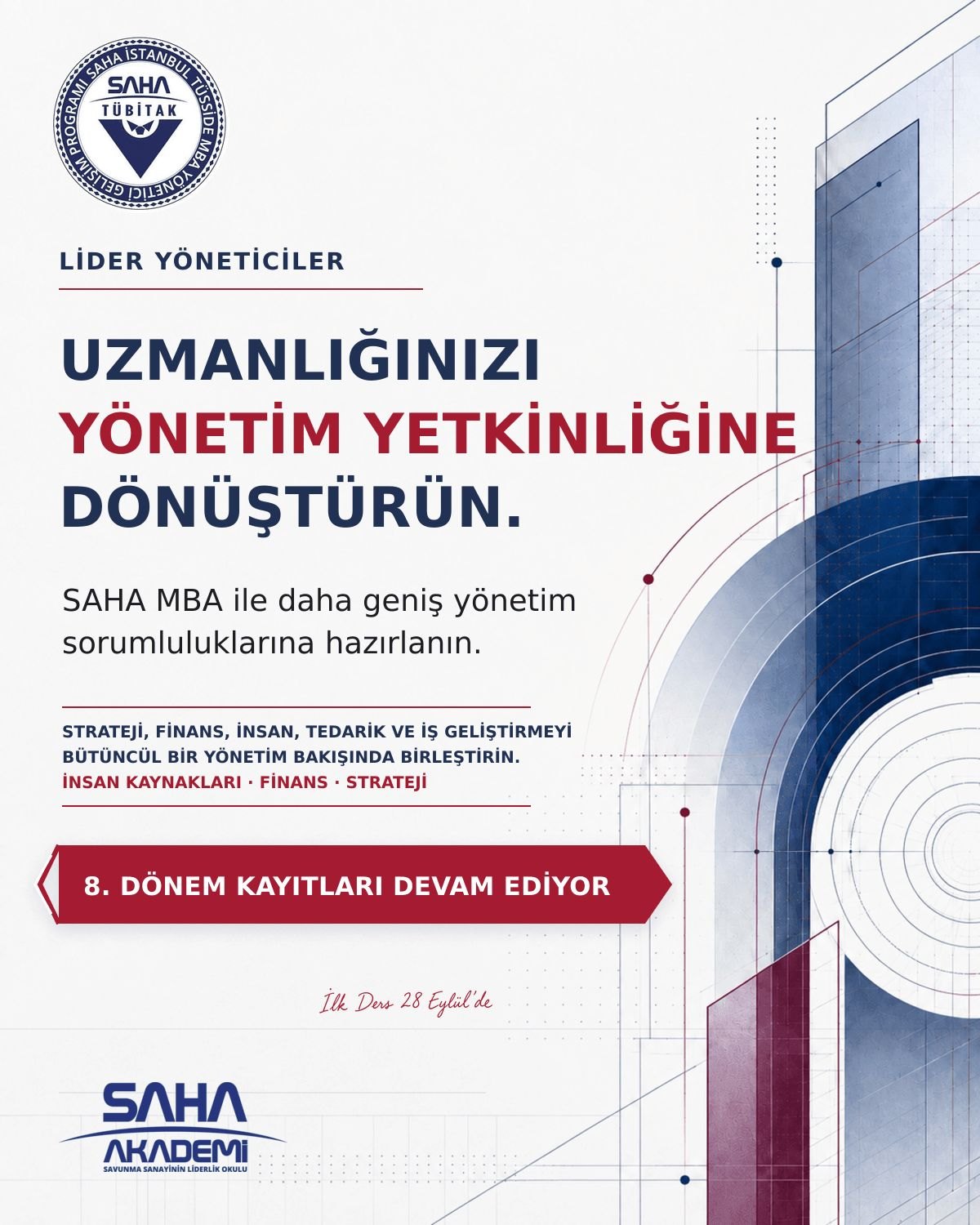
Registration continues for the 8th cohort of the SAHA MBA Executive Development Programme run by SAHA Academy; the first class will be held on 28 September. The programme offers a holistic development structure that prepares managers, prospective managers and specialists for broader management responsibilities.
The programme starts from a transition frequently encountered in the defence and aerospace industry: strong domain expertise lays the foundation of a career, but management responsibility requires that expertise to be considered together with strategy, finance, human resources, procurement and business development. SAHA MBA aims to develop decision-making capacity with a strategic perspective that takes the organisation as a whole into account.
Applications are accepted via sahaakademi.com/kayit-formu.
AKINCI Hits Naval Target Beyond 250 km with Supersonic İHA-300 on First Firing
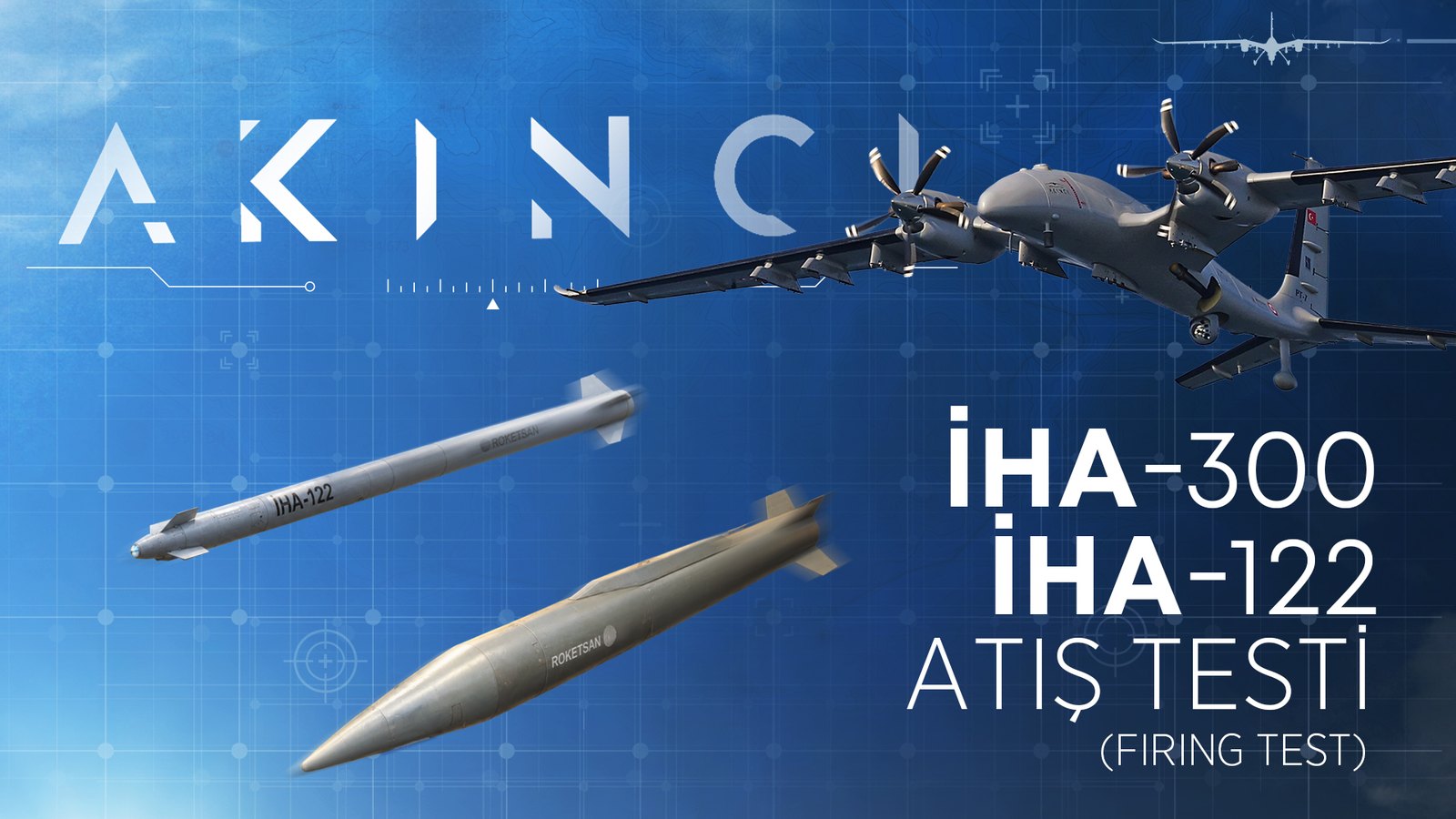
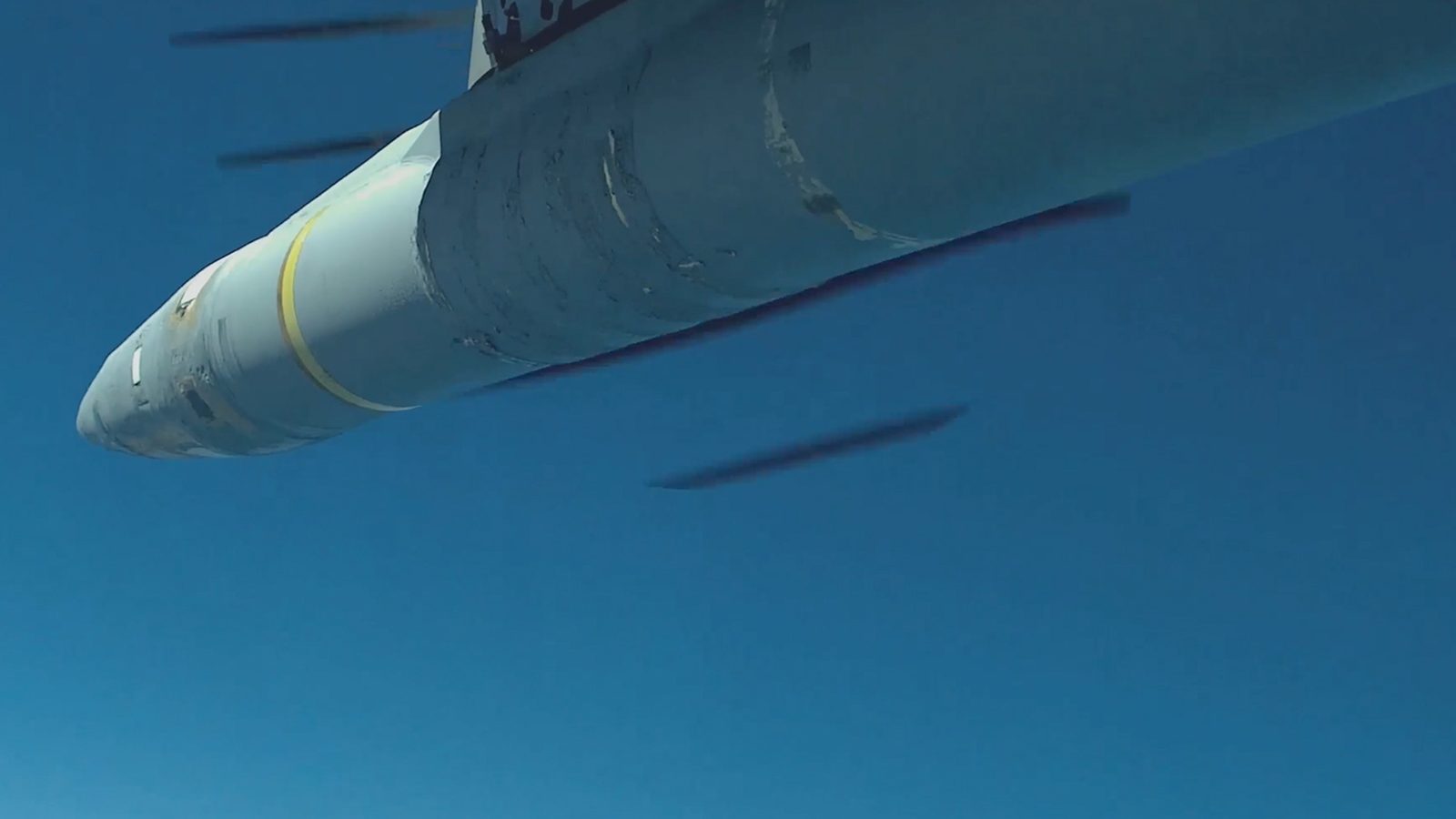
Bayraktar AKINCI scored a direct hit on a naval target off Sinop from a range of more than 250 kilometres with ROKETSAN's supersonic ballistic İHA-300 munition. In the test conducted on 11 September 2026, AKINCI took off from the Çorlu Flight Training and Test Centre in Tekirdağ, reached the test range over the Black Sea and hit the target with the munition on its first firing attempt.
Carrying a warhead of approximately 150 kilograms and capable of supersonic speed, İHA-300 has with this test become the longest-range Turkish munition launched from an air platform. AKINCI had previously completed integration of the İHA-122 and İHA-230 supersonic munitions; with İHA-300, the same platform now has a three-tier stand-off munition set.
The firing against a naval target highlights not only the range of the capability but also its engagement of moving and sea-surface targets. This profile directly addresses the need to strike while keeping the platform outside the threat envelope in an area with strong air defences.
STM's TUNGA-X Hunter Drone and NEST Smart Dock Family Pass Field Tests
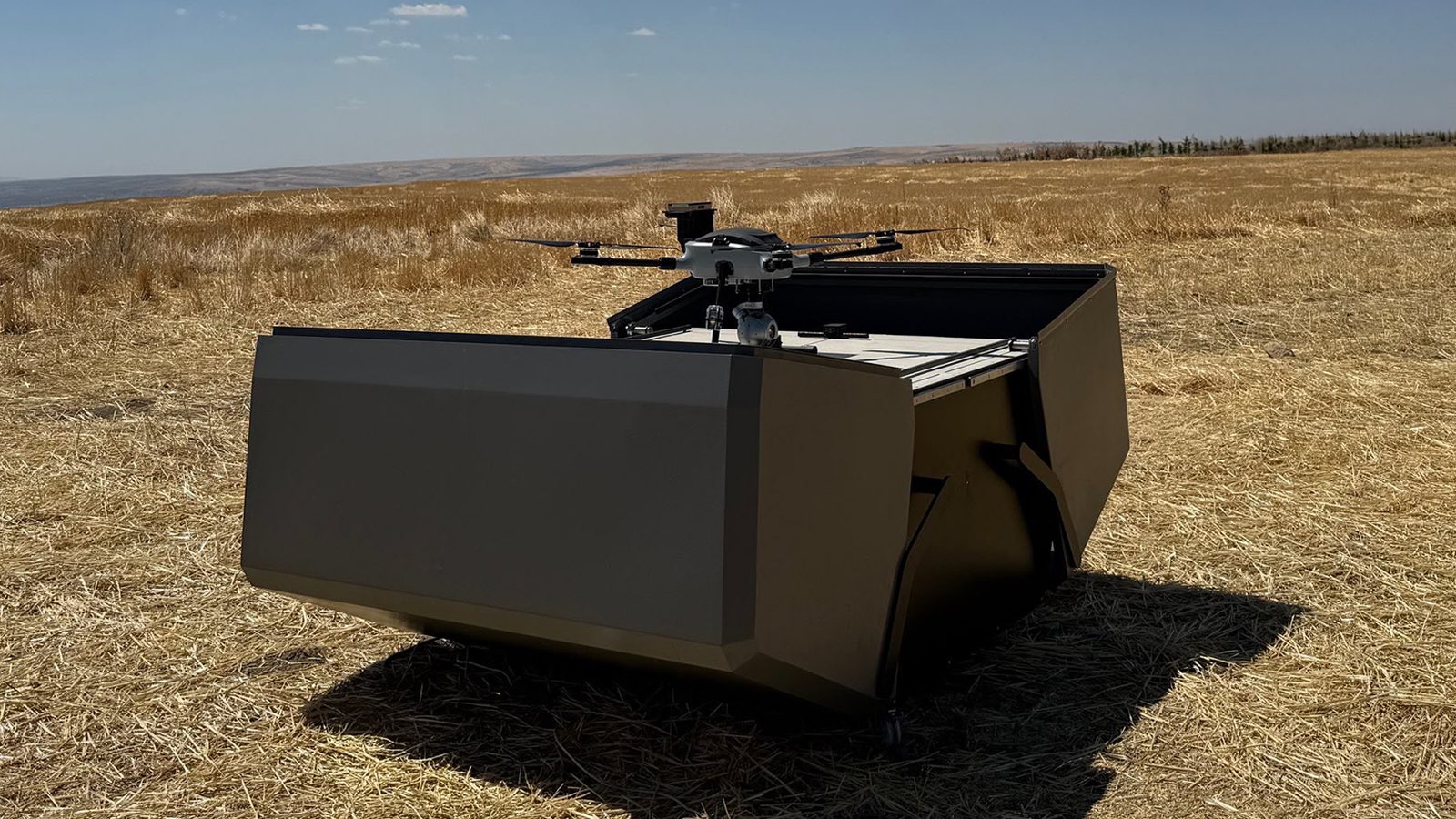
STM's new autonomous systems, developed with national resources, verified their capabilities in field tests conducted under different operational scenarios on 12 September. In the tests, the TUNGA-X hunter drone, with radar-supported detection, tracking and neutralisation capability against hostile UAVs, was put to work, while the integration of TOGAN and the NEST Smart Dock System for remote and uninterrupted surveillance of critical facilities was also tested in the field.
As part of the same activity, the integration of the mini reconnaissance UAV TOGAN-M with the smart dock and the TOGAN/SpecDrone integration for signals intelligence missions were run under different scenarios. STM's counter-UAS, autonomous reconnaissance and surveillance, critical facility security and signals intelligence solutions were thus verified together in a single field activity.
GÜRZ Begins Field Firings: First Activity with GÖKSUR and Anadolu Savunma's Dedicated 8×8 Carrier
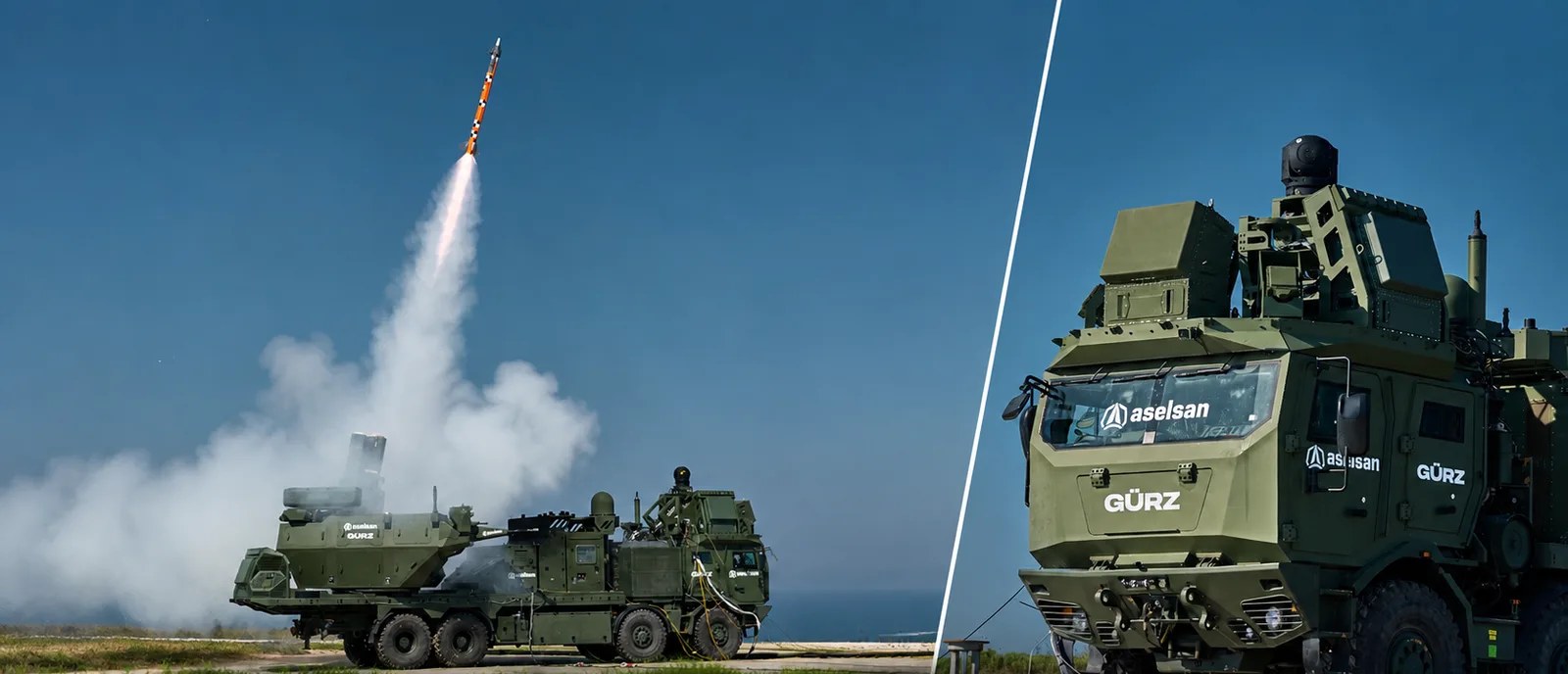
The GÜRZ Air Defence System developed by ASELSAN has begun field activities following a live-fire activity successfully completed on 5 September. With its four-faced AESA radar, electro-optical suites and communication systems, the system provides layered defence from a single vehicle against different short-range air threats.
During the activity, radar and optical detection and tracking performance, track continuity and range accuracy were verified with high success rates. The GÖKSUR missile performed demanding manoeuvres and followed the expected trajectory. GÜRZ combines an air defence gun firing fragmentation ammunition with missiles on the same platform: the vehicle carries a 35 mm KORKUT gun, while the launchers at the rear hold SUNGUR and GÖKSUR missiles.
What sets the activity apart from a test of a single weapon is that the engagement chain was run as a whole: detection, tracking, fire control and neutralisation were coordinated on the same vehicle. According to ASELSAN's GÜRZ 150 product documentation, the system combines an AESA radar, IFF, fire control radar and electro-optical suite with a 35 mm gun, very short- and short-range missiles, a self-defence weapon and soft-kill electronic countermeasure capability. Its defined threat set ranges from Class 1–3 UAVs to kamikaze and swarm attacks, and from fixed-wing aircraft and helicopters to supersonic air-to-surface and cruise missiles.
The system's carrier is a separate topic: the 8×8 vehicle used in the GÜRZ configuration was developed by Anadolu Savunma specifically for this project; it is not one of the company's existing vehicle families. Engine-off climate control, 360-degree situational awareness, a high-payload cab and an independent 8×8 axle system allow the integrated system to move between firing positions — in other words, the carrier has been designed as part of the weapon system.
HAVELSAN and Egypt's AOI Sign Agreement for Sale of HAMZA-1 VTOL UAV
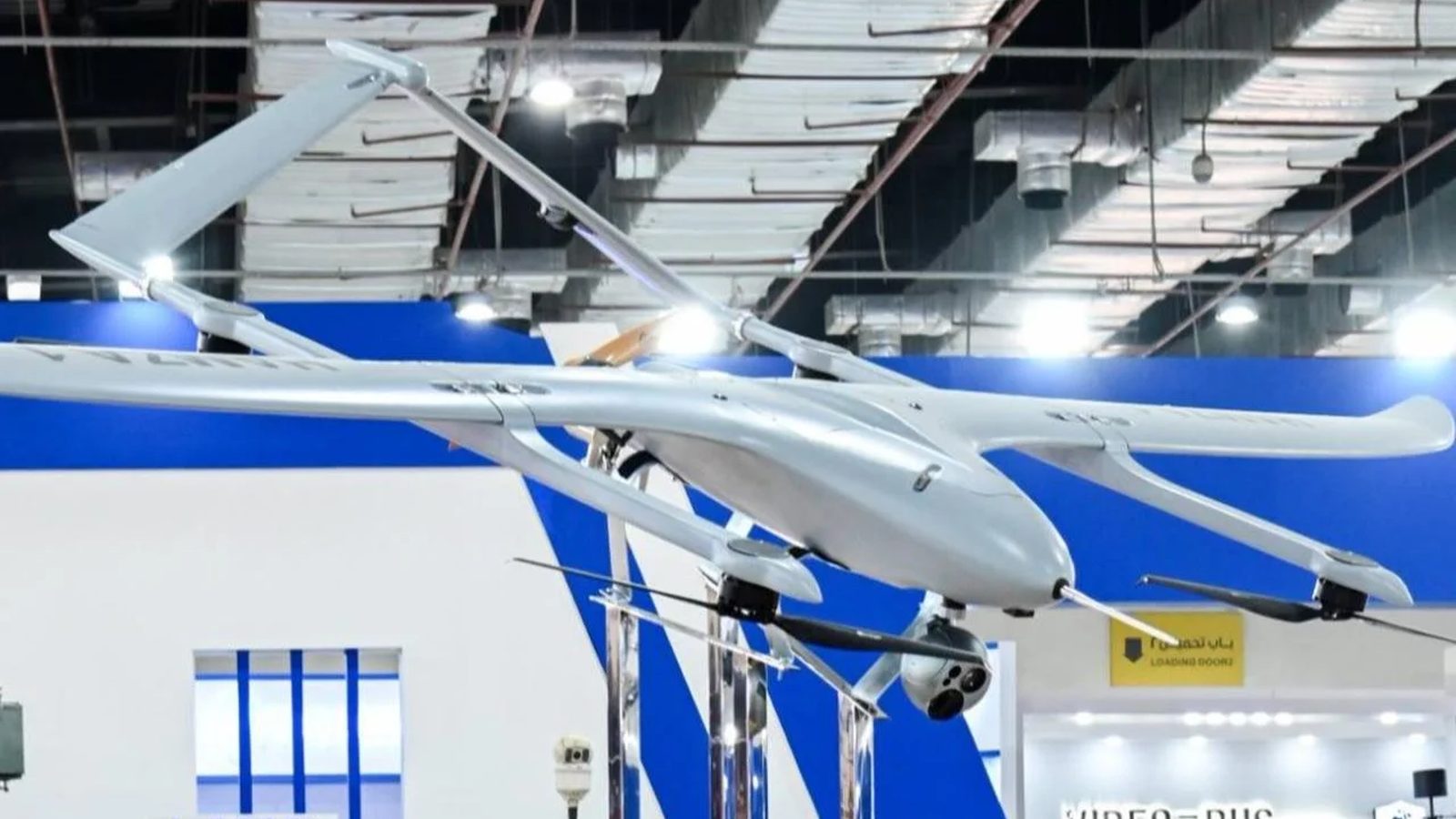
HAVELSAN and Egypt's Arab Organization for Industrialization (AOI) signed an agreement for the sale of the jointly developed HAMZA-1 unmanned aerial vehicle at the El Alamein International Air Show on 10 September. The agreement follows on from the strategic cooperation signed between the two organisations on 26 August 2025, covering the joint production in Egypt of autonomous unmanned aerial vehicles with vertical take-off and landing capability.
The first HAMZA-1 system developed under the cooperation was unveiled at EDEX 2025 in Cairo in December 2025. With the sales agreement, the programme has moved from the joint production phase to the commercial delivery phase. The autonomy technology HAVELSAN has accumulated on platforms for different mission concepts such as BAHA, BOZBEY, POYRAZ and BULUT is being combined with Egypt's local production infrastructure through HAMZA-1.
MKE and Poland's PGZ Sign Air Defence MoU as TOLGA Reaches a Second European Country
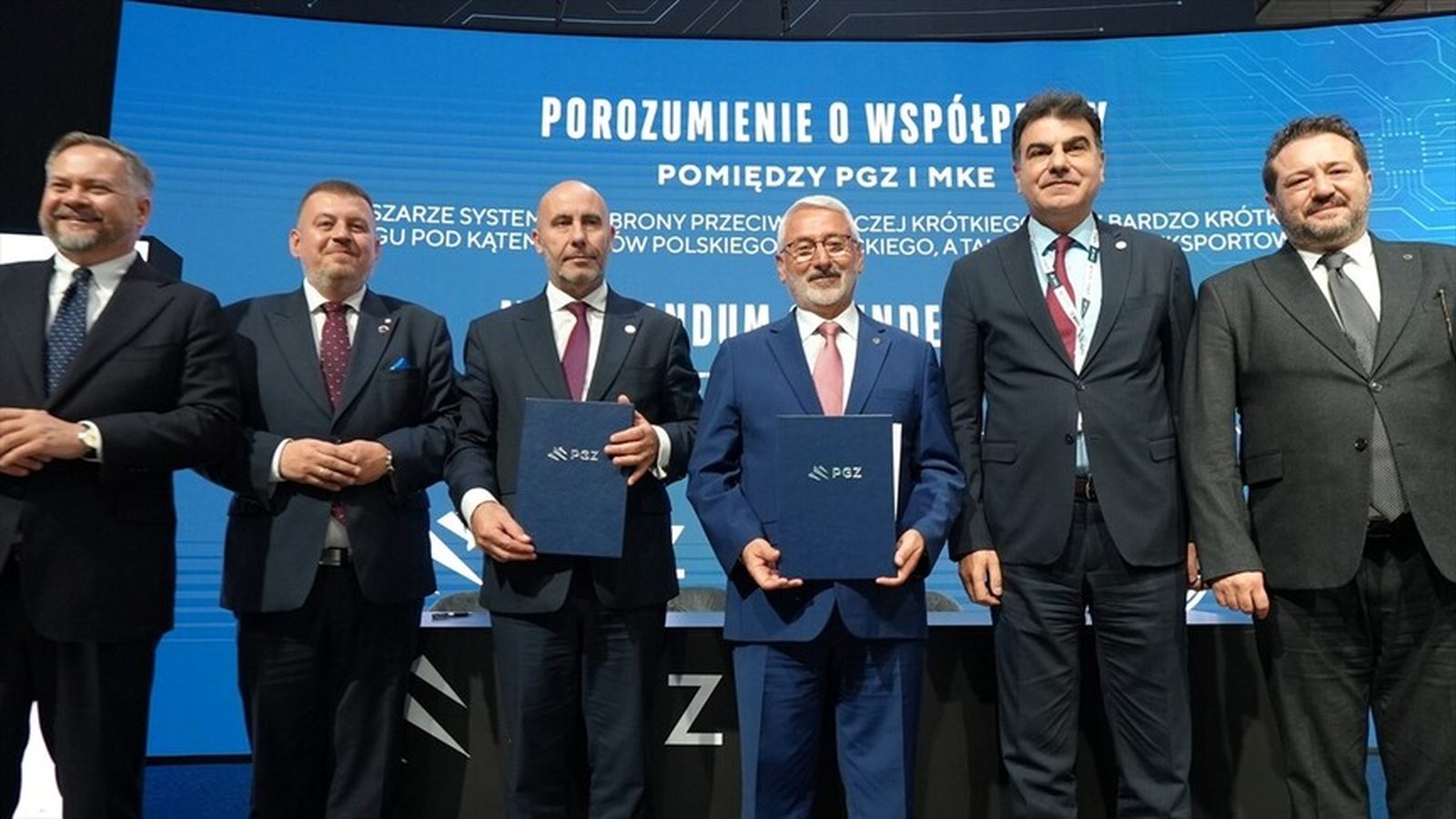
Makine ve Kimya Endüstrisi (MKE) and Poland's state-owned defence company Polska Grupa Zbrojeniowa (PGZ) signed a memorandum of understanding on air defence systems at MSPO, the 34th International Defence Industry Exhibition held in Kielce. Under the agreement, the two organisations will work together on the integration of short-range air defence systems and on non-kinetic effector systems that require no ammunition.
The aim of the cooperation is to close capability gaps in existing air defence systems and to improve interoperability between different systems. With this agreement with PGZ, MKE has added Poland to its European cooperation network for the TOLGA Short-Range Air Defence System; this is the second country partnership established in Europe within the TOLGA framework.
Turkish Pilots Begin Eurofighter Flight Training: 8 Months of Flying, Then 3 Months of Instructor Pilot Training
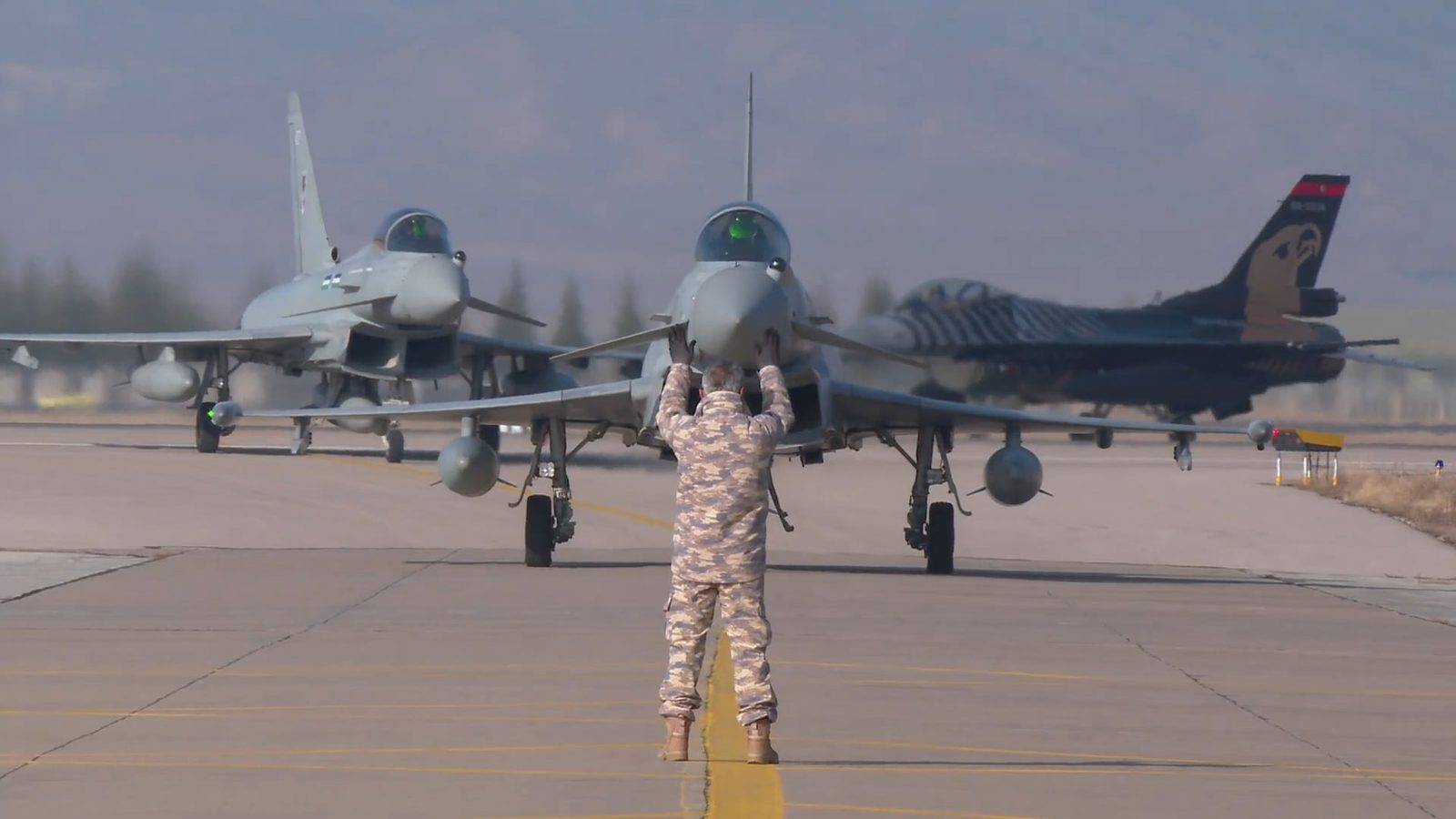
The Ministry of National Defence announced that Turkish pilots began their flight training in the United Kingdom on 7 September 2026 as part of the Eurofighter Typhoon procurement. Having completed the terminology phase of the training programme that began in August, the pilots moved on to flight training on that date.
The programme will continue with eight months of flight training followed by three months of Instructor Pilot Training; the Ministry said pilots will continue to be sent for training in successive groups. On 27 October 2025, Türkiye and the United Kingdom signed a contract worth approximately £5.4 billion for the procurement of 20 new-build Eurofighter Typhoon Tranche 4 fighter aircraft. Under the contract, BAE Systems is providing spare parts and support equipment, engineer and pilot training, high-fidelity training simulators and electronic warfare capabilities.
First Serial Production HÜRJET for Air Force Inventory Completes 18-Minute Maiden Flight
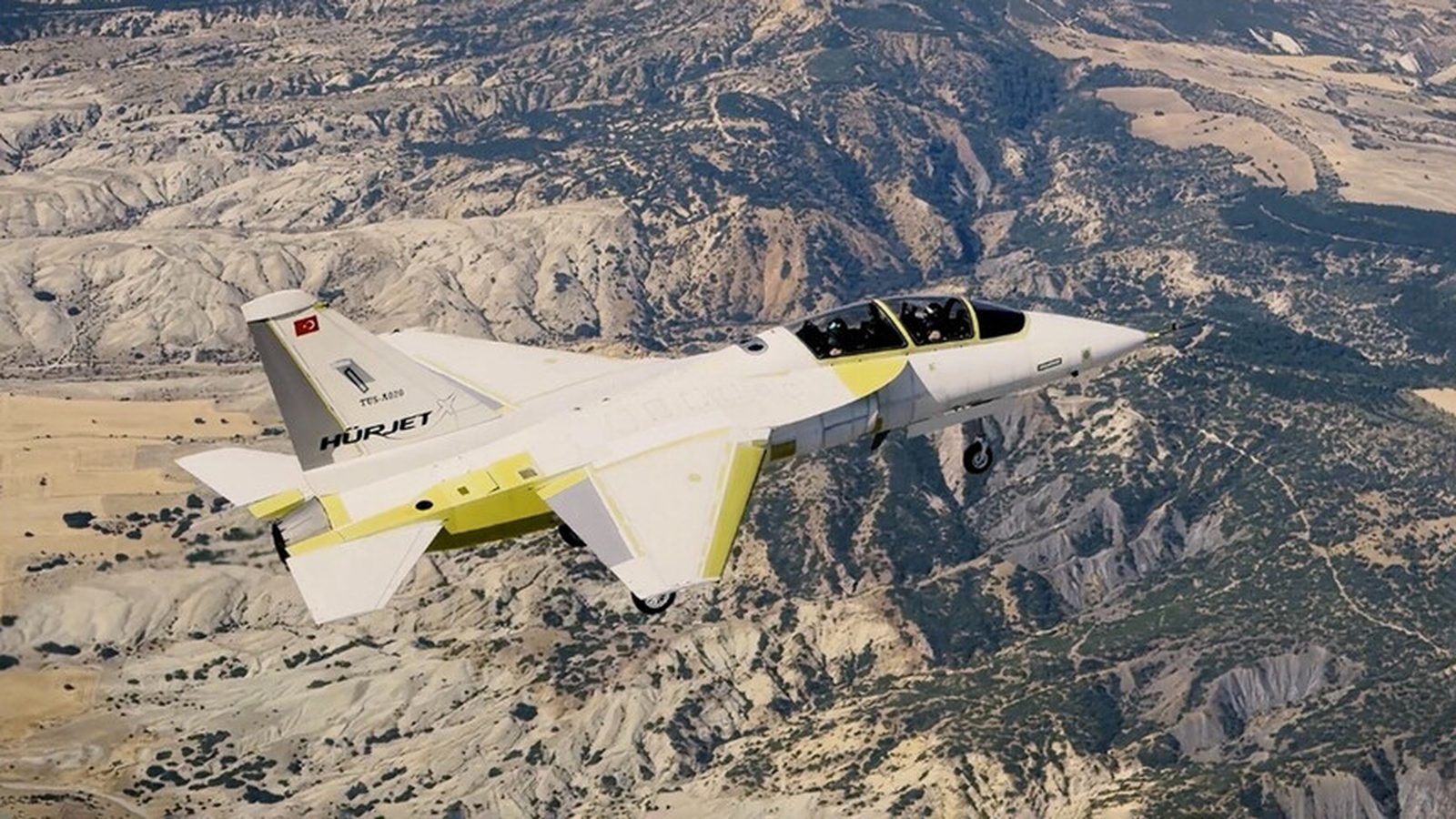
The first serial production HÜRJET to be delivered to the Turkish Air Force Command successfully completed its maiden flight, remaining airborne for 18 minutes; the development was confirmed in the weekly review of Türkiye's Presidency of Defence Industries (SSB). The flight was conducted accompanied by the first prototype, and the aircraft was produced at Turkish Aerospace's (TUSAŞ) facilities in Kahramankazan, Ankara.
What sets this flight apart from an ordinary test flight is that the aircraft that took off is not a prototype but the serial production configuration that will enter the inventory. The programme's centre of gravity is thus shifting from the development phase to the production and delivery phase; in the same period, HÜRJET is also being evaluated for the United Kingdom's jet training system.
SAHA Horizon: Three Strategic Takeaways from the Week of 7–13 September
This week, AKINCI's strike on a naval target 250 kilometres away, a $4.7 billion contract for PAC-3 MSE propulsion systems, GE Aerospace's $11.75 billion acquisition of a casting manufacturer and the opening of three separate joint production tracks in Poland at the same exhibition all fell on the same calendar. Read together, the four tell the week's common story clearly: competition is shifting from a platform race to a race of production capacity and autonomy.
1) Range has moved from the platform to the munition. İHA-300's strike on a naval target 250 kilometres away, read together with the TOLUN family exhibited in Karapınar, Konya last week, points to a single trend: Turkish unmanned aerial vehicles now operate not by approaching the target, but by engaging it from outside its defensive envelope. This means a carrier architecture in which the same airframe can take on different operational roles with different munitions; in terms of exports, too, what is being sold is not a single platform but an expanding munitions catalogue.
2) The new arena of competition is the supply chain. A $4.7 billion seven-year contract for the propulsion systems of Patriot interceptors, an engine manufacturer buying its own casting supplier for $11.75 billion, and a single operator ordering 669 satellites are all different forms of the same sentence. In major programmes, the decisive factor is no longer the best performance but serial production speed and a sovereign supply chain. For Türkiye, the implication is clear: critical sub-component, casting, propulsion and materials capabilities are the ground on which platform successes will rest.
3) The currency of exports is technology transfer. HAVELSAN moving to sell HAMZA-1 with AOI in Egypt, MKE extending its cooperation with PGZ to Poland under the TOLGA framework, and Shield AI signing a letter of intent with PGZ and WZL-2 at the same exhibition to produce X-BAT in Poland show the common demand of buyer countries: they no longer want only to purchase, but ask for production share, sustainment, technology transfer and local supplier participation. In this model, the real output of exports is not the delivered system but the lasting tie that takes root in the partner's industry.
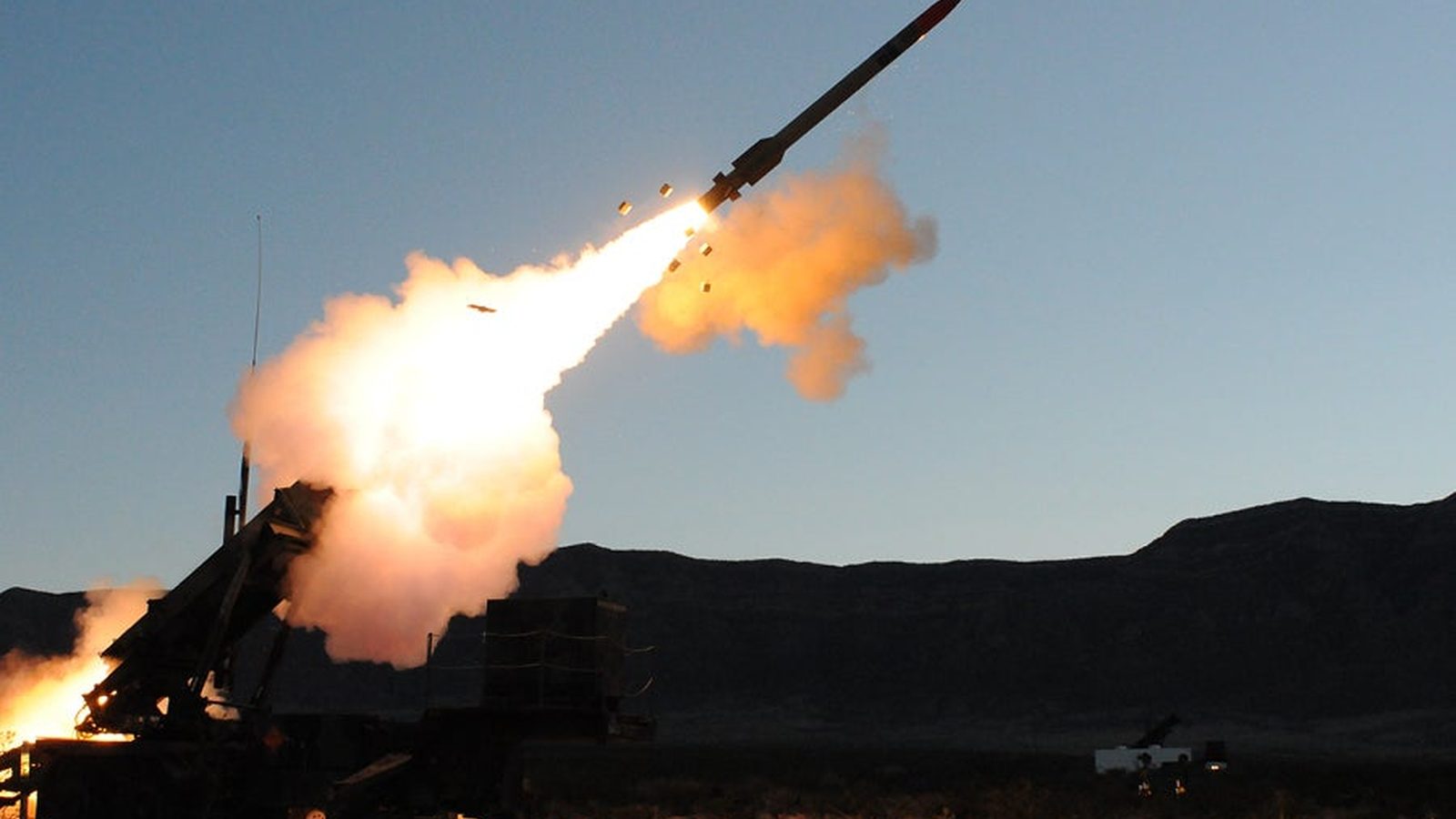
L3Harris Wins $4.7B Contract for PAC-3 MSE Propulsion Systems
Announced on 8 September, the seven-year agreement covers the PAC-3 MSE interceptor's dual-pulse solid rocket motor, lethality enhancer and attitude-control motors. New production facilities in Camden, Arkansas will support the US goal of raising annual PAC-3 MSE capacity from around 600 interceptors to 2,000 by 2030.
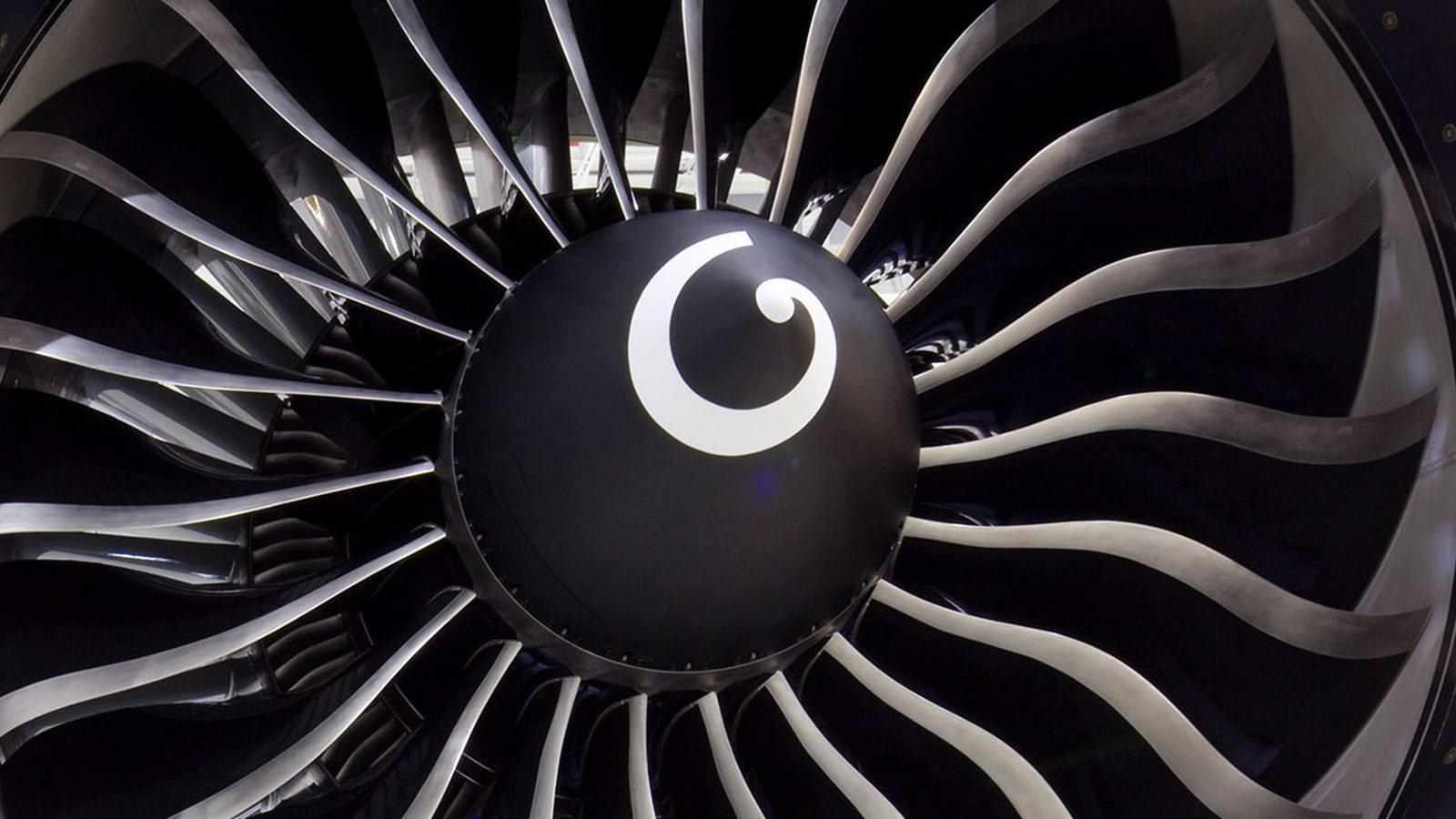
GE Aerospace to Acquire Critical Casting Supplier CPP for $11.75B
Under the agreement announced on 8 September, GE Aerospace is acquiring precision casting manufacturer Consolidated Precision Products from Warburg Pincus and Berkshire Partners. CPP, which has approximately 6,600 employees and more than 20 facilities, expects 2027 revenue of around $2 billion; the transaction is expected to close in the second half of 2027.

France Selects Airbus and Unseenlabs for CASSIOPÉE Military SIGINT Satellite Programme
France's defence procurement agency DGA announced the agreement on 11 September for a new space-based signals intelligence system to replace the CERES constellation. Airbus, as system integrator, will provide the ground segment, control centre and S250 platform; Unseenlabs will handle mission planning, processing and the payload. The system will replace CERES by 2032.
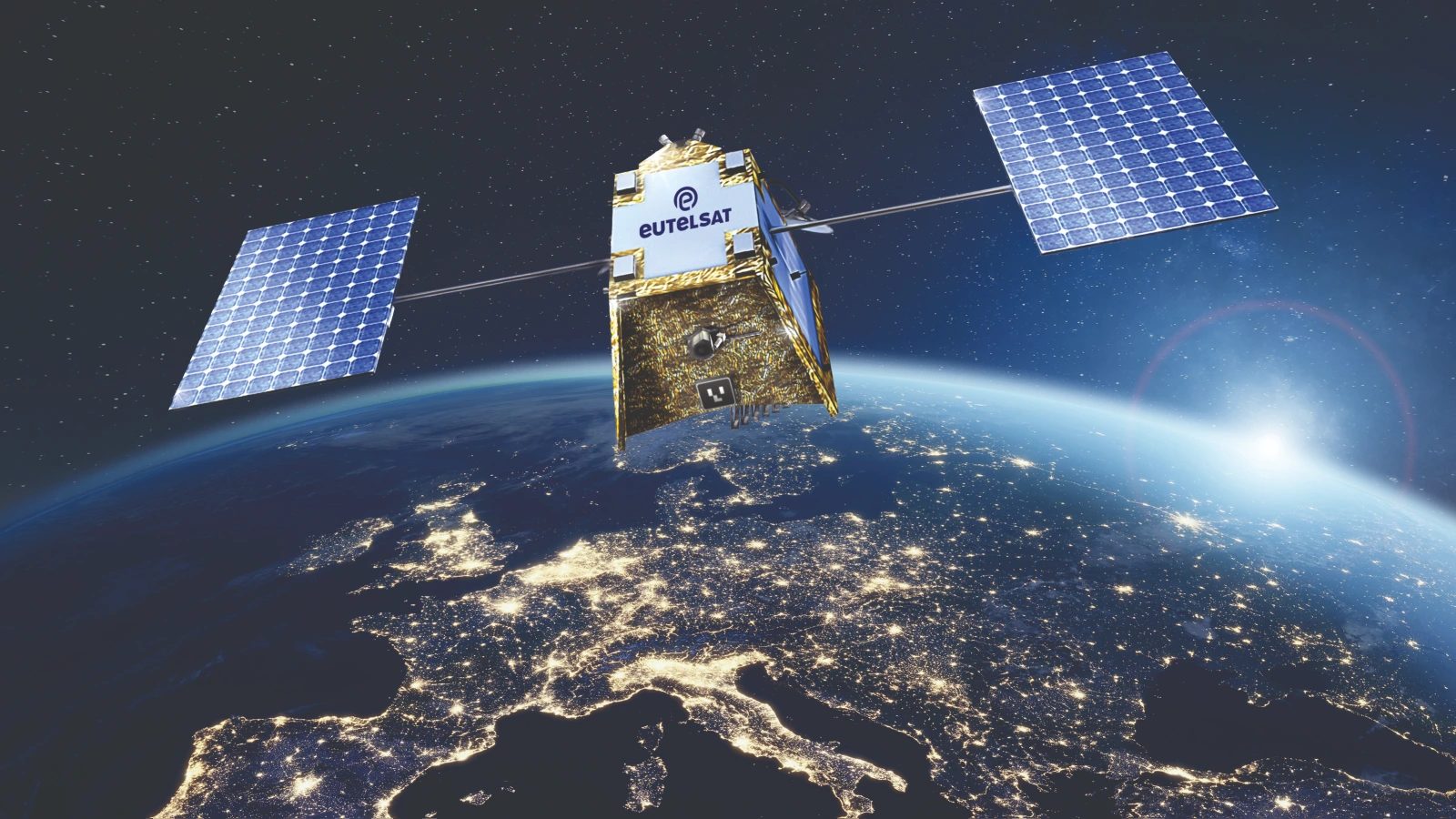
Eutelsat Orders 229 More OneWeb Satellites from Airbus, Bringing Total to 669
With the order announced at the International Space Summit in Paris on 10 September, 229 more satellites were added to the existing 440-satellite agreement; the investment is worth around €1 billion. The new satellites, to be built in Toulouse, will carry advanced digital channelisers and enable the OneWeb network to be gradually renewed and expanded through 2034.
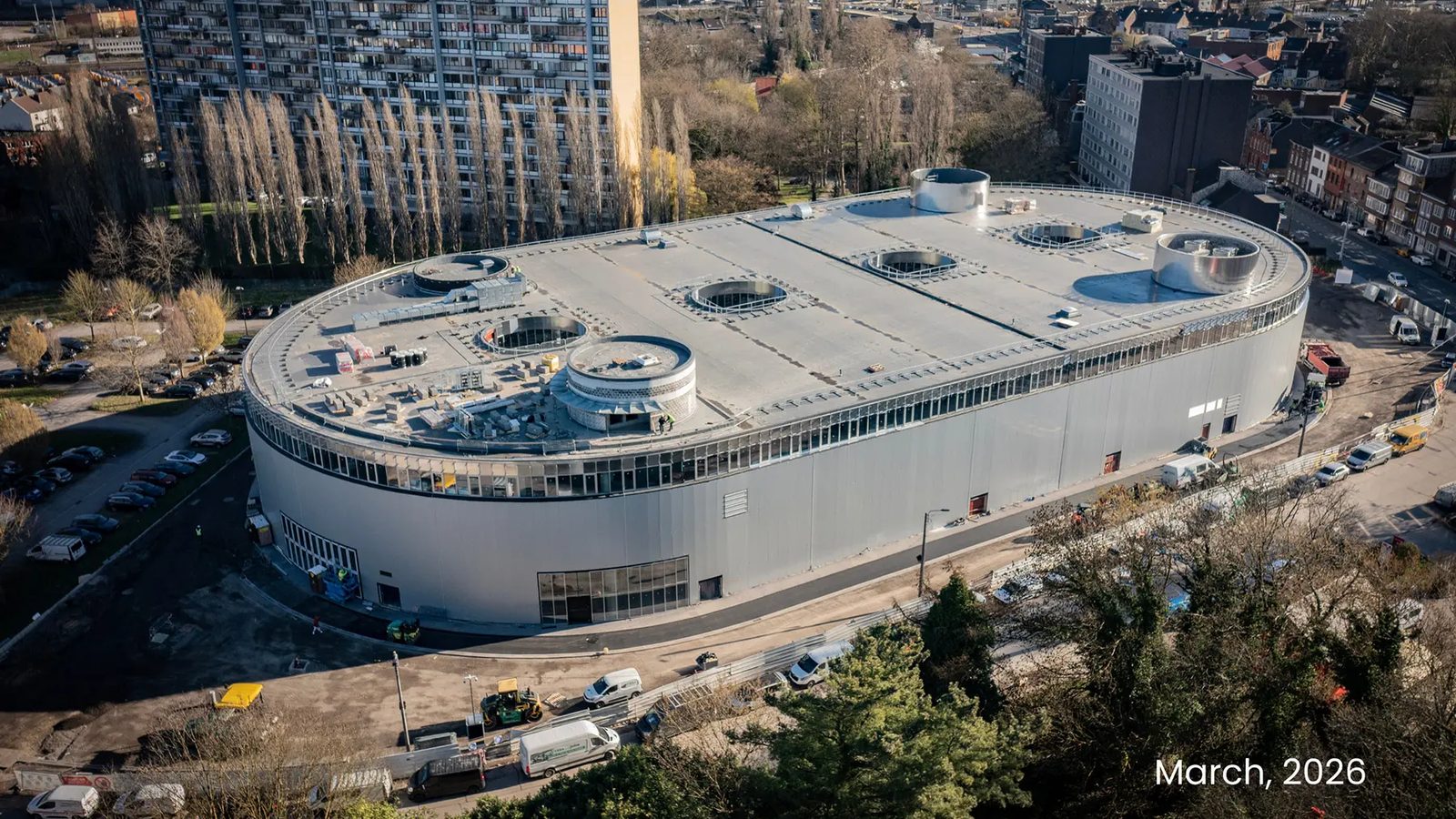
IRIS² Sovereign Satellite Network Advances to Production Phase
Eutelsat announced on 10 September that it will work with Airbus and Aerospacelab on developing the first LEO layer for IRIS². Running in parallel with the OneWeb order, the programme aims to expand Europe's secure and sovereign connectivity capacity.
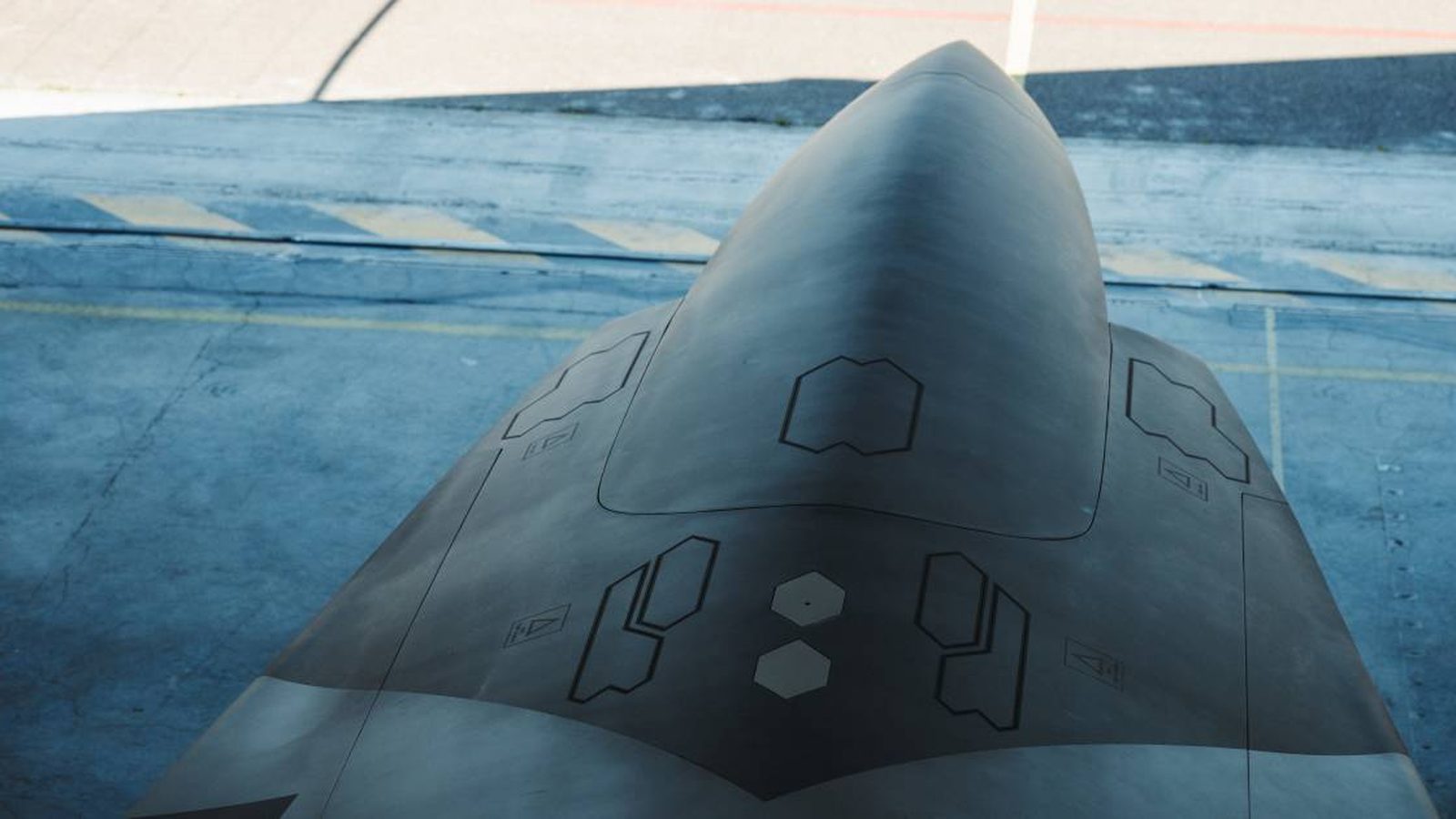
Saab Receives SEK 2.9B Order from FMV for Future Fighter Programme
Announced on 9 September, the order covers the 2026–2028 period, with options for 2029 and 2030. Its scope includes flying and ground demonstrators, advanced studies and the development of future concepts for crewed and uncrewed systems. The programme strengthens system integration, autonomy, signature management, propulsion, digital development and future production technologies.
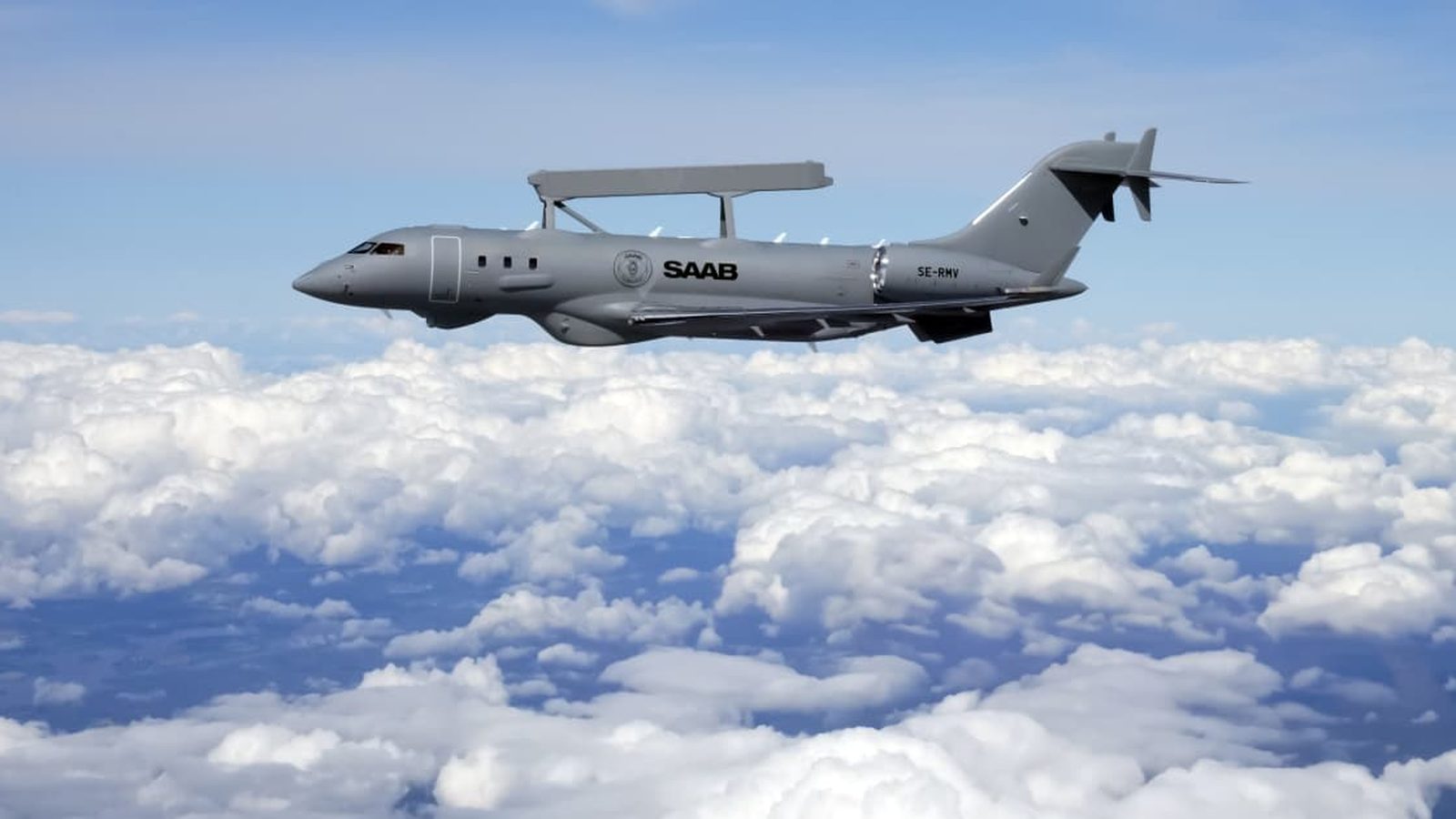
Netherlands Signs Letter of Intent with Sweden to Procure Saab GlobalEye
Under the LoI signed on 10 September, the Netherlands plans to acquire one GlobalEye AEW&C aircraft through the FMV framework and operate it jointly with Sweden. The single Dutch aircraft will join Sweden's three S 106s in a joint pool of four aircraft; delivery is planned for 2031 and access to Swedish training infrastructure for 2028. No contract has been signed yet.
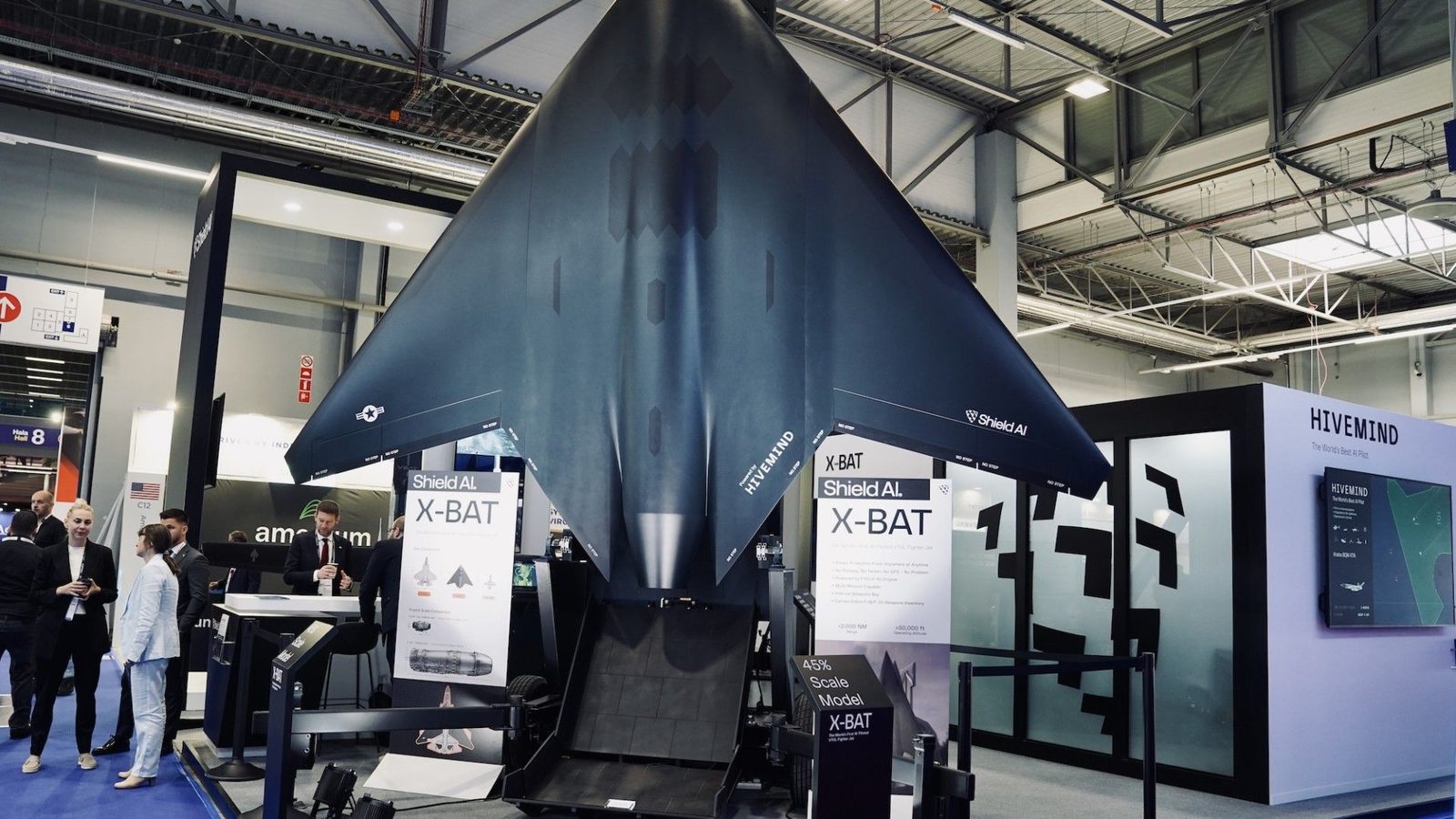
Shield AI Signs Letter of Intent with PGZ and WZL-2 to Produce X-BAT in Poland
The five-year letter of intent signed at MSPO 2026 on 8 September covers the design, production, procurement and sustainment in Poland of X-BAT, an AI-piloted autonomous combat aircraft capable of vertical take-off and landing. Work share and production sites will be determined in the final contracts.
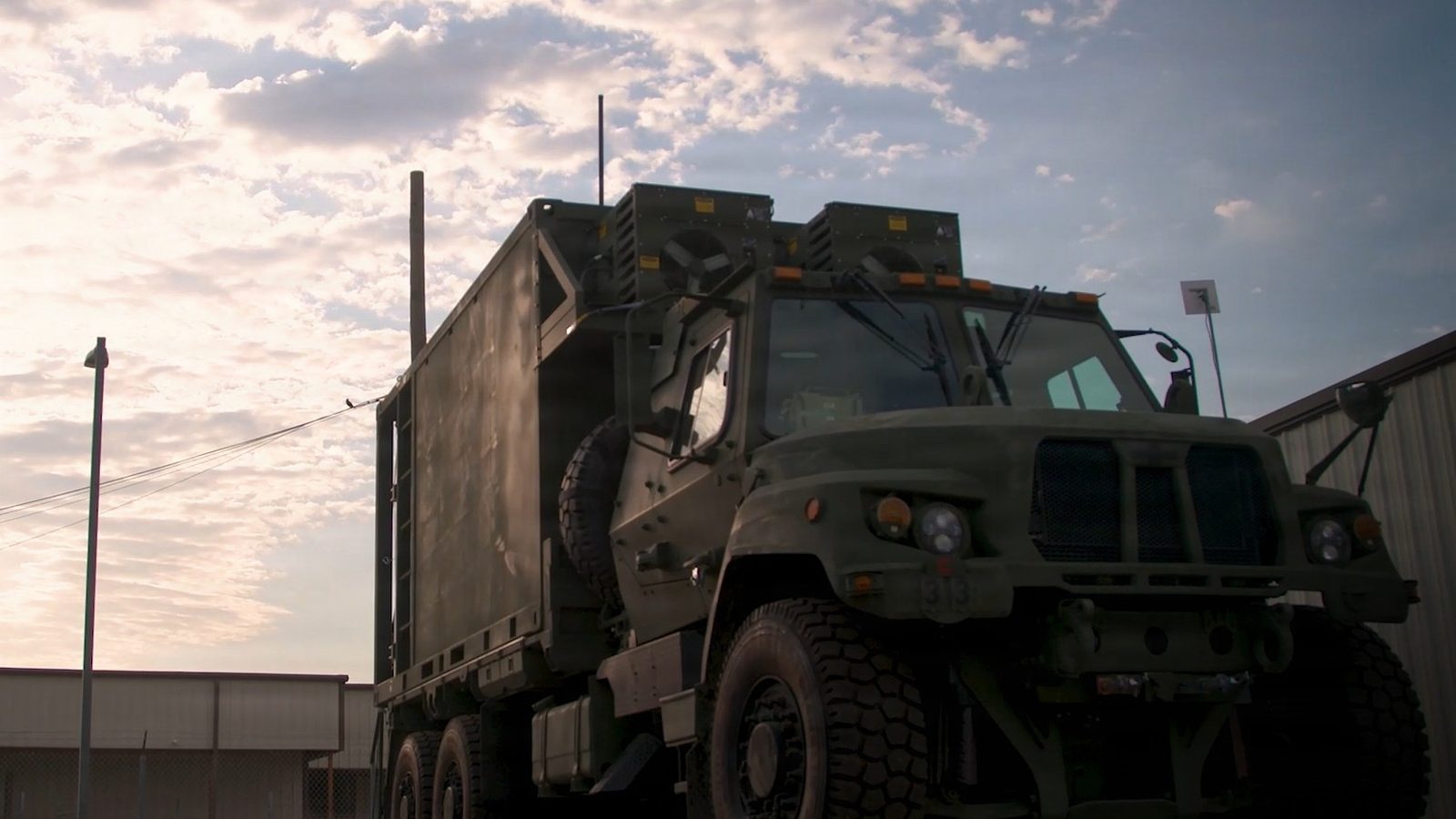
US Army Moves AI-Enabled TITAN into Production with $192M in Orders
Under orders announced on 1 September, Palantir received $127 million and Anduril $65 million; eight initial production systems — four TITAN Advanced and four TITAN Basic — will be delivered within 18 months. TITAN turns data from space, high-altitude, air and ground sensors into targeting information.
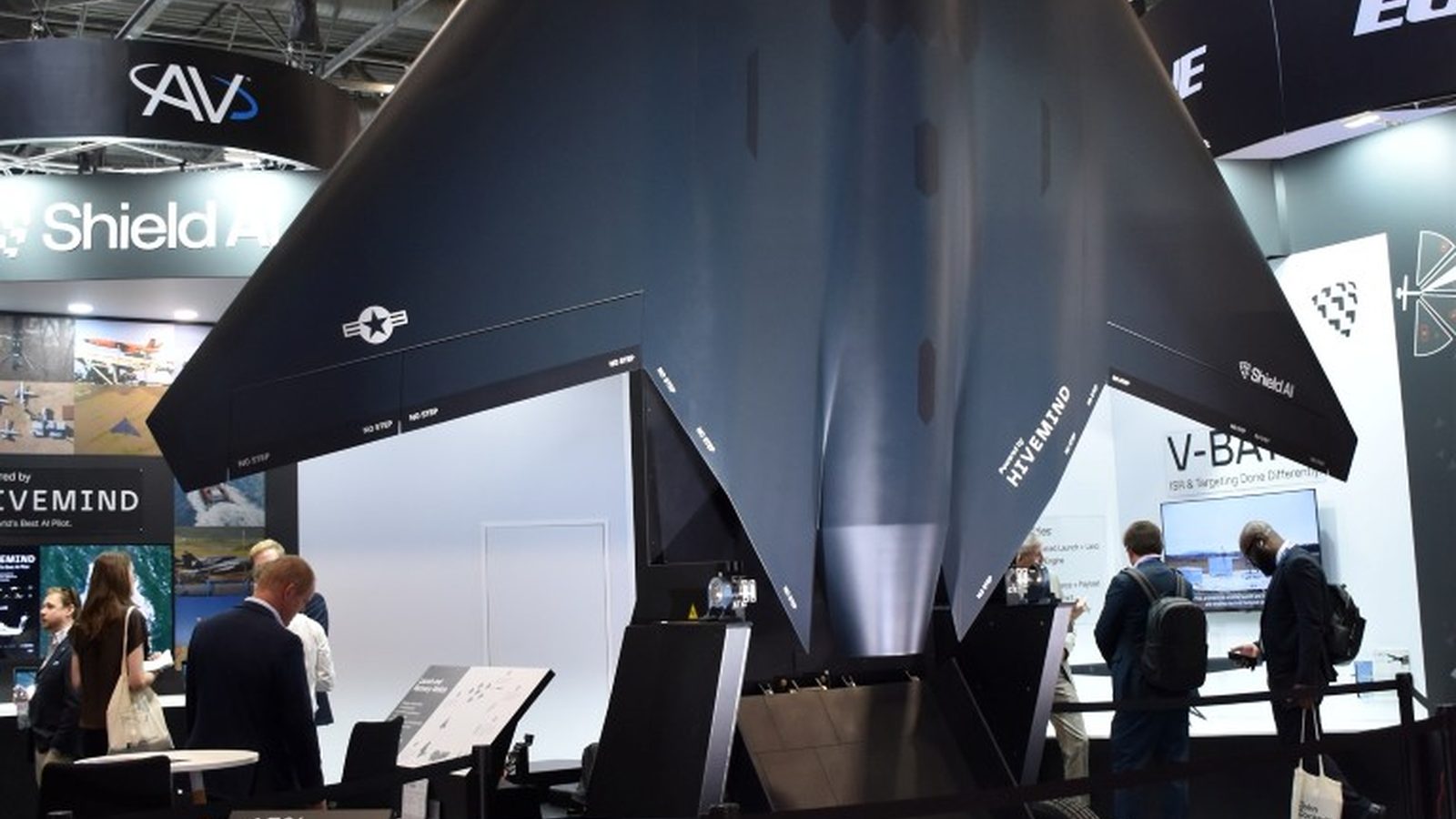
After MSPO 2026, Poland Moves Towards Becoming a Production Hub of European Defence Industry
The agreements signed at the exhibition in Kielce converged on the same line: the Shield AI–PGZ/WZL-2 X-BAT memorandum, the air defence cooperation between MKE and PGZ, and other joint production tracks. Poland now demands not just purchases of foreign systems, but production, sustainment, technology transfer and local supplier participation.
Never miss a development
Follow Türkiye's defence, aerospace and space agenda every week in a single stream with the SAHA Bulletin.