
SAHA Bulletin
HÜRKUŞ-II Receives Türkiye's First National Military Type Certificate
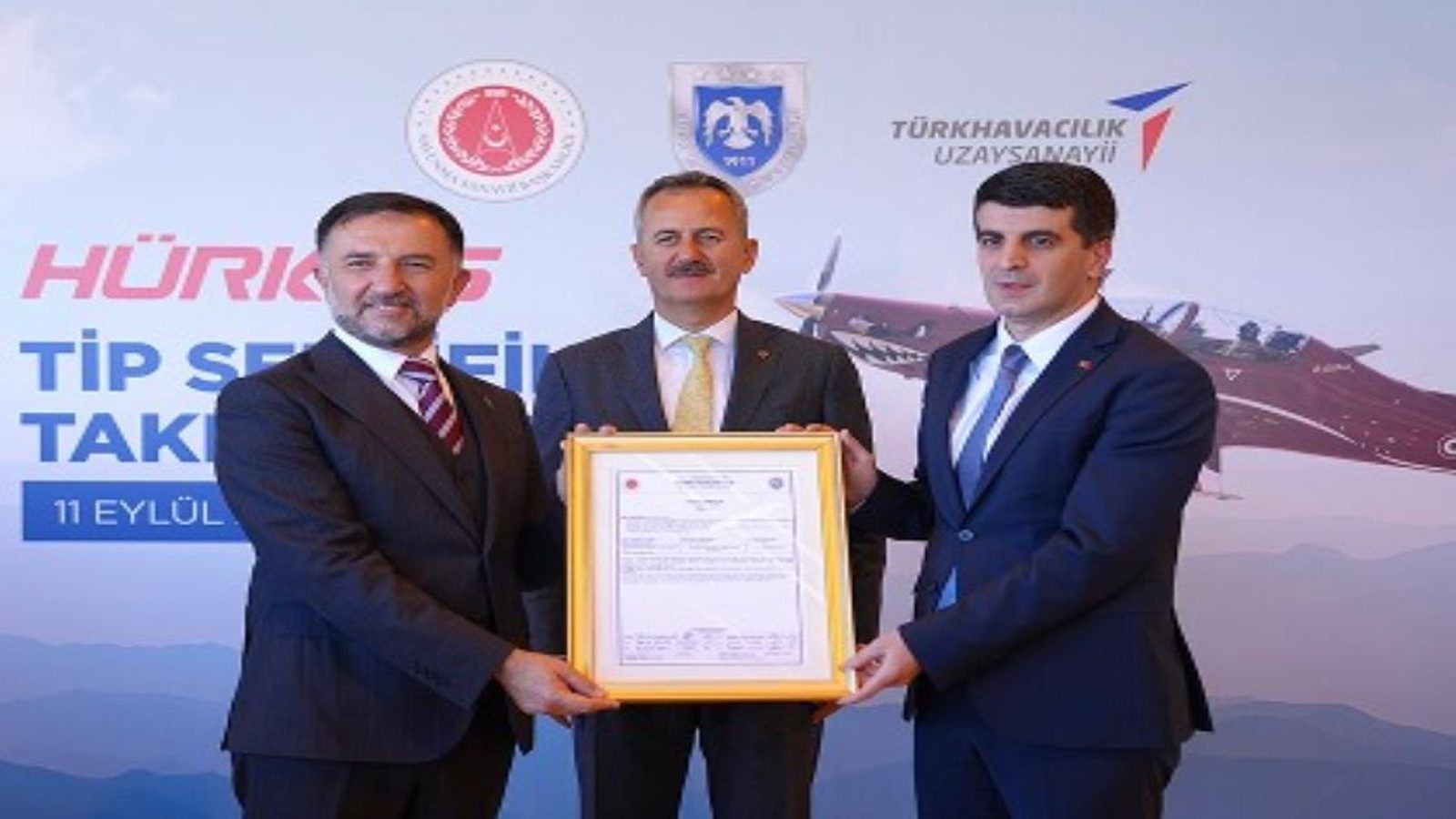
HÜRKUŞ-II, developed by Turkish Aerospace (TUSAŞ) with domestic and national resources, has completed its certification process and become Türkiye's first military aircraft to be certified with national resources. In the process announced by TUSAŞ on 15 September, 1,790 certification requirements across 12 separate disciplines were verified, 950 technical documents were reviewed and 153 certification tests were completed; all of the work was carried out by Turkish personnel in line with international standards. Developing an aircraft and being able to prove that aircraft's airworthiness are separate industrial capabilities; in export negotiations, the type certificate is the document that takes the place of the technical brochure.
Görgün and Dalkıran Personally Test HÜRKUŞ-II and HÜRJET
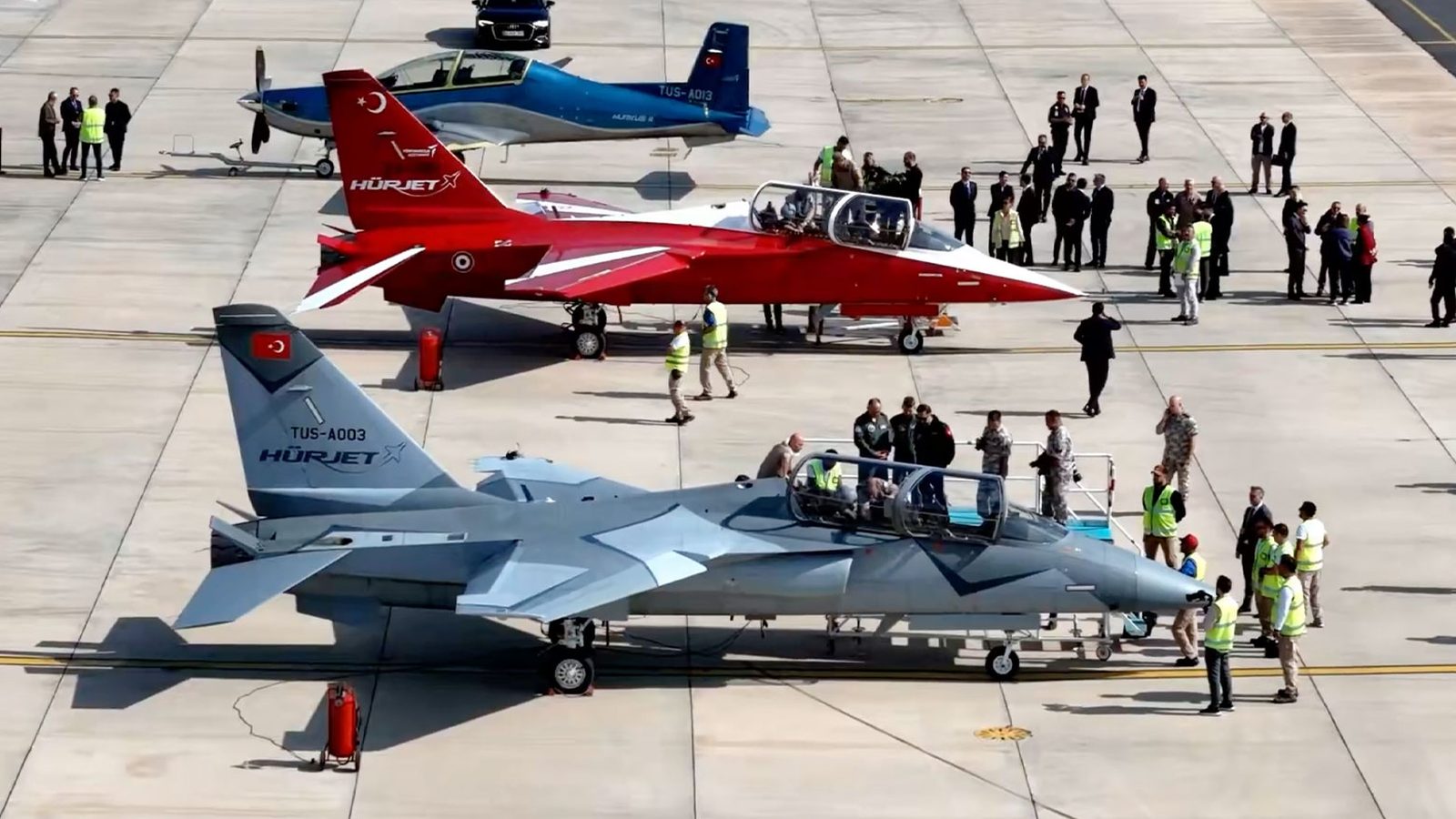
Türkiye's Presidency of Defence Industries (SSB) President Haluk Görgün and Air Force Commander General Rafet Dalkıran flew a formation test flight on 16 September ahead of HÜRKUŞ-II's acceptance activities, examining the aircraft's capabilities first-hand. On the same day, the pair also carried out a test flight in a HÜRJET equipped with the MURAD AESA radar; this flight indicates that development work on different configurations of the jet trainer is gaining pace. The two senior figures personally flying the aircraft immediately after certification was read as an on-the-ground sign that the programme has moved into the acceptance phase.
Turkish Air Force Enters "National Aircraft" Era as HÜRKUŞ-II Completes Acceptance
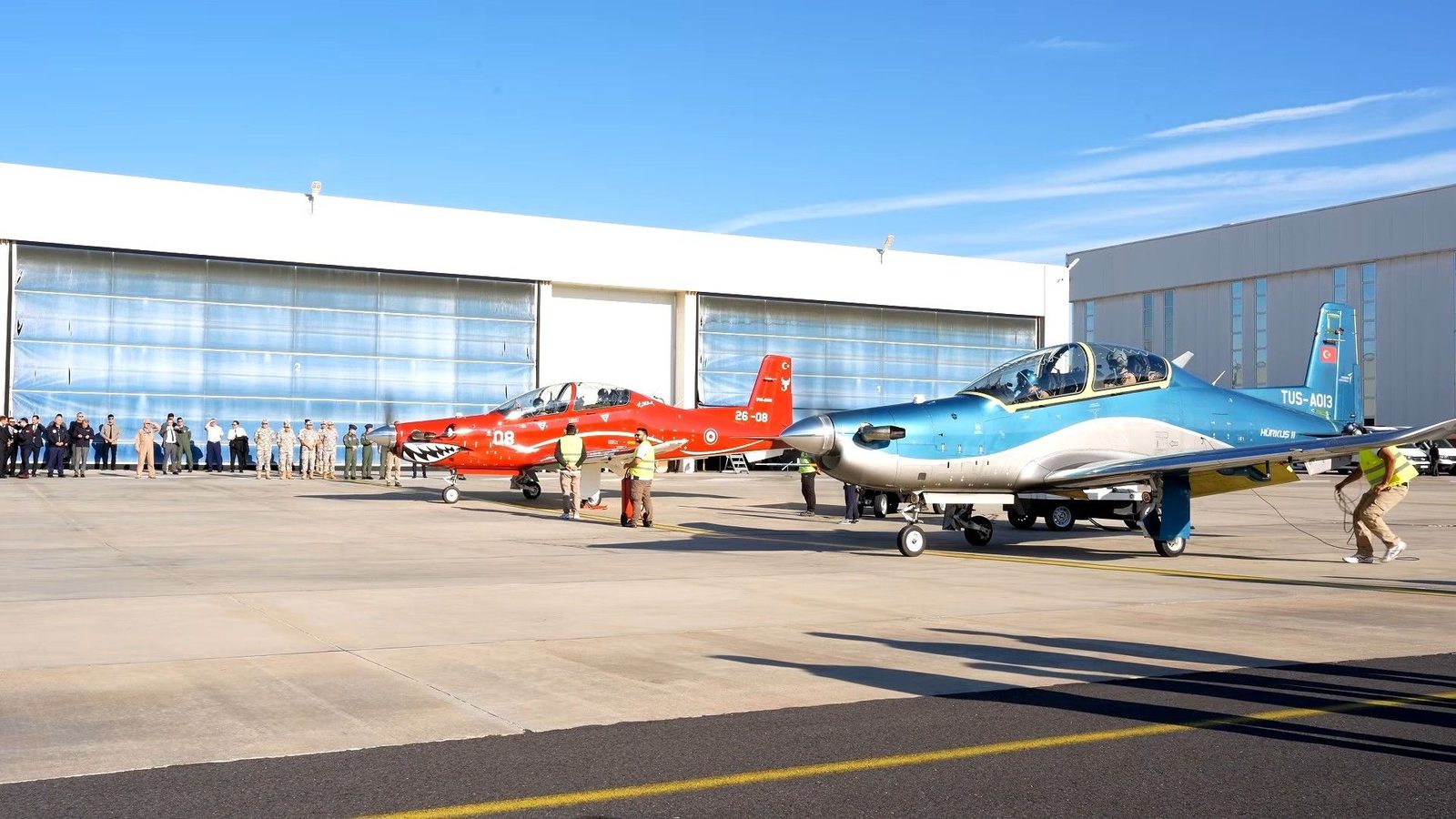
The new-generation primary and basic trainer HÜRKUŞ-II has completed its acceptance process, passing the final stage before entering the inventory; the first aircraft is expected to be delivered to the Air Force Command in the near future. TUSAŞ will produce a total of 55 HÜRKUŞ-II aircraft for the Air Force, and production of a significant portion of them has already been completed. During the test flight, Görgün's words "It passed the test, didn't it, Commander? We carried out its acceptance today" and General Dalkıran's reply "Super, done" showed that acceptance had effectively taken place.
Türkiye's First Lunar Mission Spacecraft Completed, Sent to TUSAŞ USET for Environmental Tests
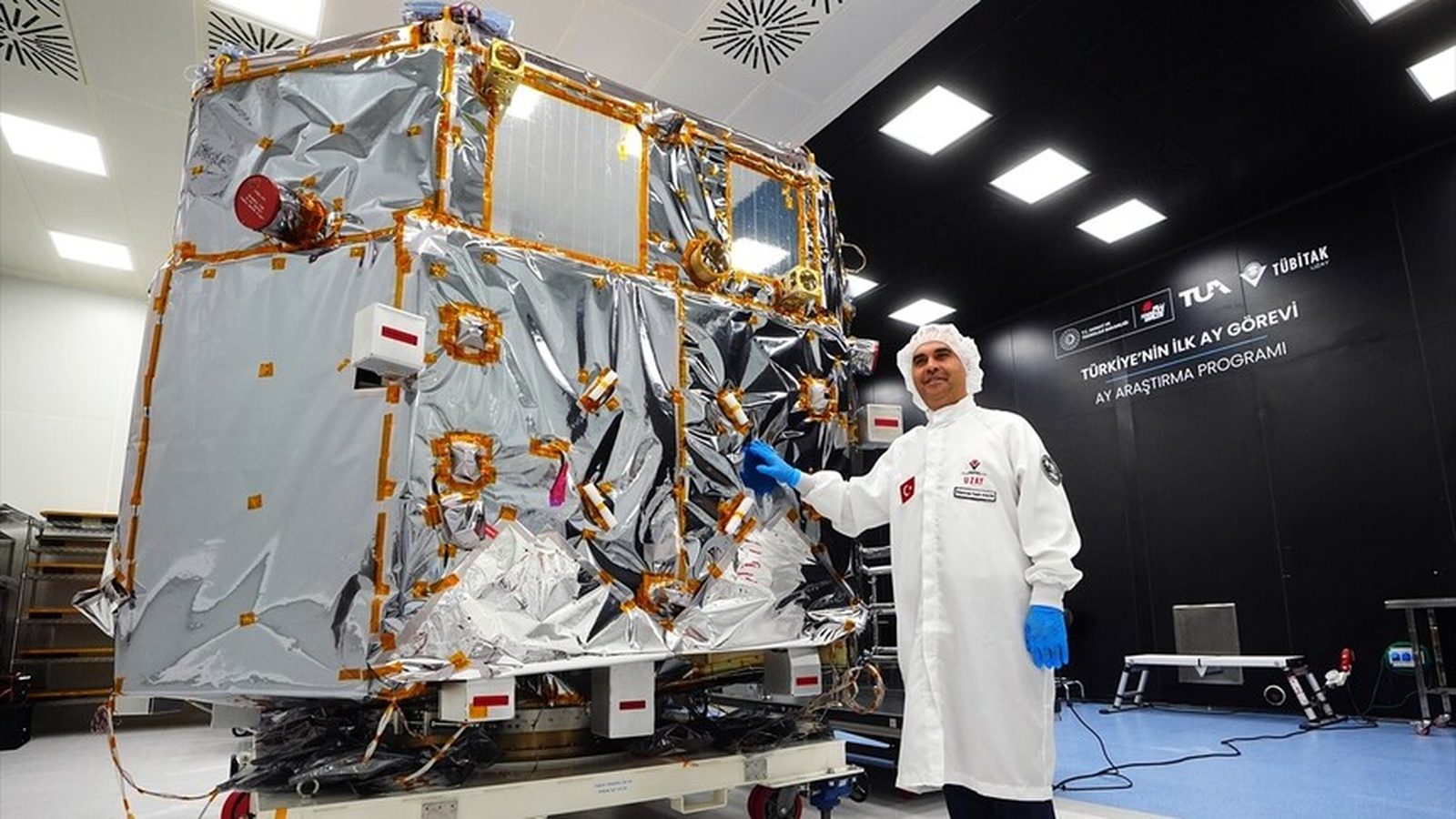
Production, assembly and integration of the spacecraft developed for Türkiye's first lunar mission have been completed; the approximately 3.5-tonne spacecraft has been sent to TUSAŞ's Space Systems Integration and Test Centre (USET) for system-level environmental tests. Announced by Minister of Industry and Technology Mehmet Fatih Kacır at TÜBİTAK UZAY OPMER on 14 September, the spacecraft has a localisation rate of over 80%; its flight computer, communications, power and thermal control technologies draw on the heritage of İMECE and TÜRKSAT 6A, propulsion is provided by a national hybrid system and all of its software was written in Türkiye. Launch is planned from Kennedy Space Center in early 2027; the spacecraft will settle into lunar orbit about two months later and, from 100 kilometres above the surface, will study the solar wind, water formation mechanisms, the magnetic field and thermal properties for at least three months (up to 1.5 years if necessary). If the mission succeeds, Türkiye will become the ninth country to reach the Moon.
Bayraktar AKINCI Scores Direct Hit on High-Speed Aerial Target with SUNGUR
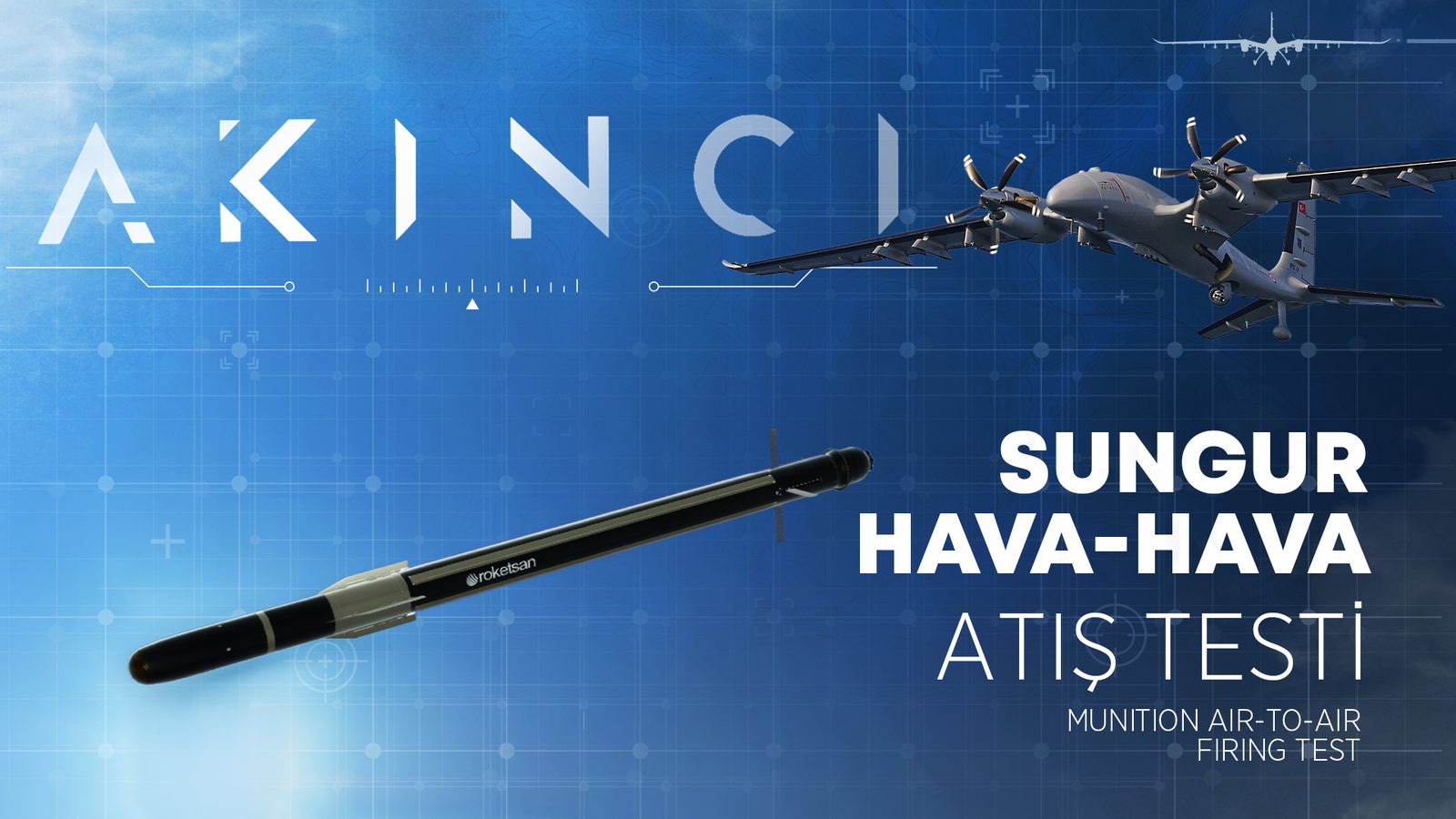
On 16 September, Bayraktar AKINCI scored a direct hit on a high-speed unmanned aerial target with ROKETSAN's SUNGUR air defence missile. The test was conducted off Sinop, with AKINCI taking off from the Çorlu Flight Training and Test Centre in Tekirdağ. The platform had previously also fired at aerial targets with the AI-supported KEMANKEŞ cruise missile and the high-speed multi-purpose guided munition EREN; AKINCI's air-to-air munition catalogue has thus reached its third item. Baykar had announced that it made $2.2 billion in unmanned aerial vehicle exports in 2025 and that it has export agreements with 39 countries for TB2 and AKINCI.
SUNGUR Hits Target on First Firing from BURÇ Mobile Air Defence System
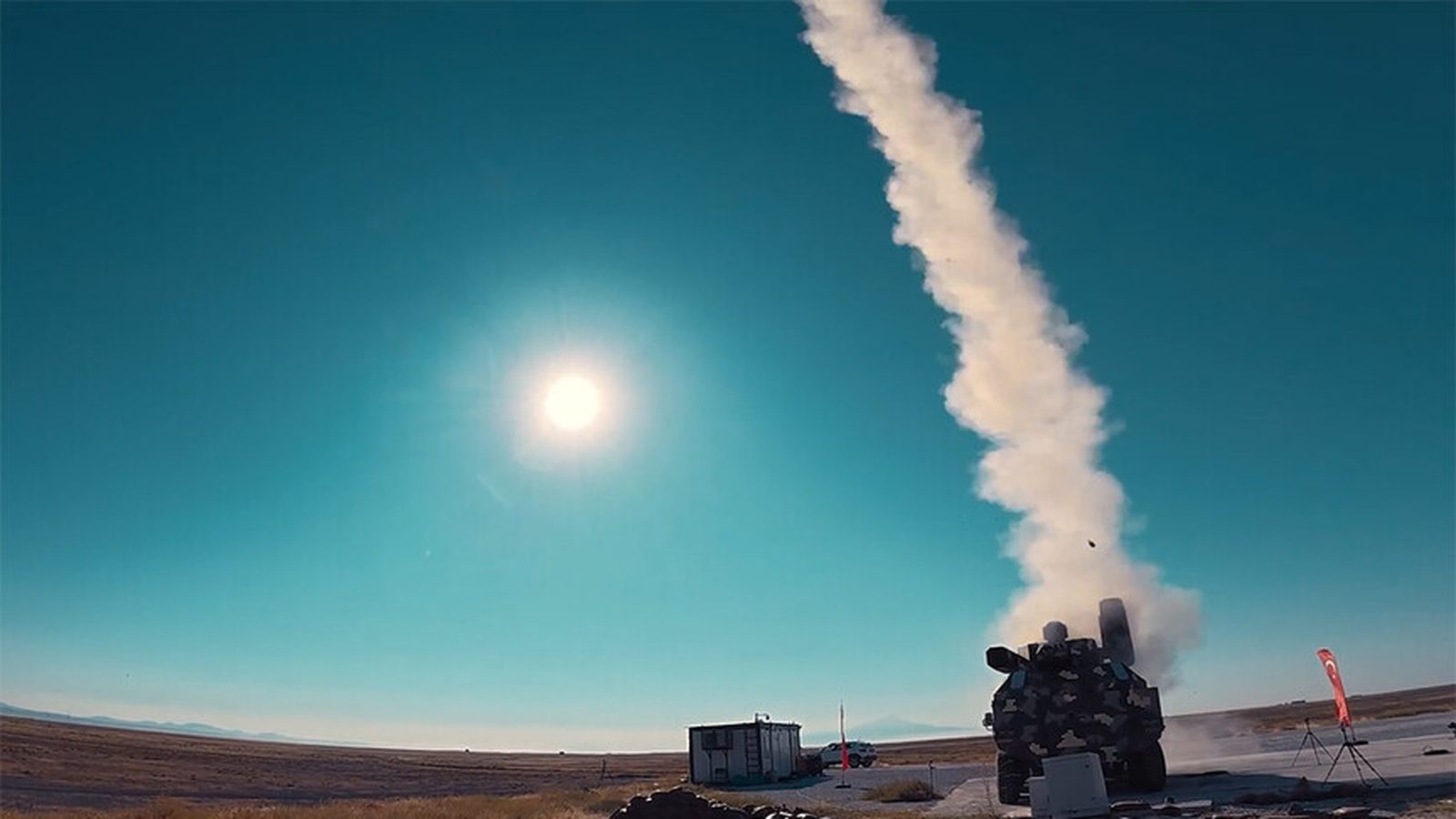
ROKETSAN's SUNGUR air defence missile was fired from the BURÇ Mobile Air Defence System for the first time on 14 September and hit a moving aerial target on the first shot. BURÇ combines the SUNGUR missile with a 20/30 mm gun and active and passive sensors on the same vehicle, offering a cost-balanced solution against current and future air threats. By showing that a shoulder-launched missile can also be used as part of a mobile air defence system, the firing was regarded as a critical threshold that adds flexibility to Türkiye's air defence layers.
ASELSAN Commissions 17,865-Square-Metre Guidance Systems Production Centre
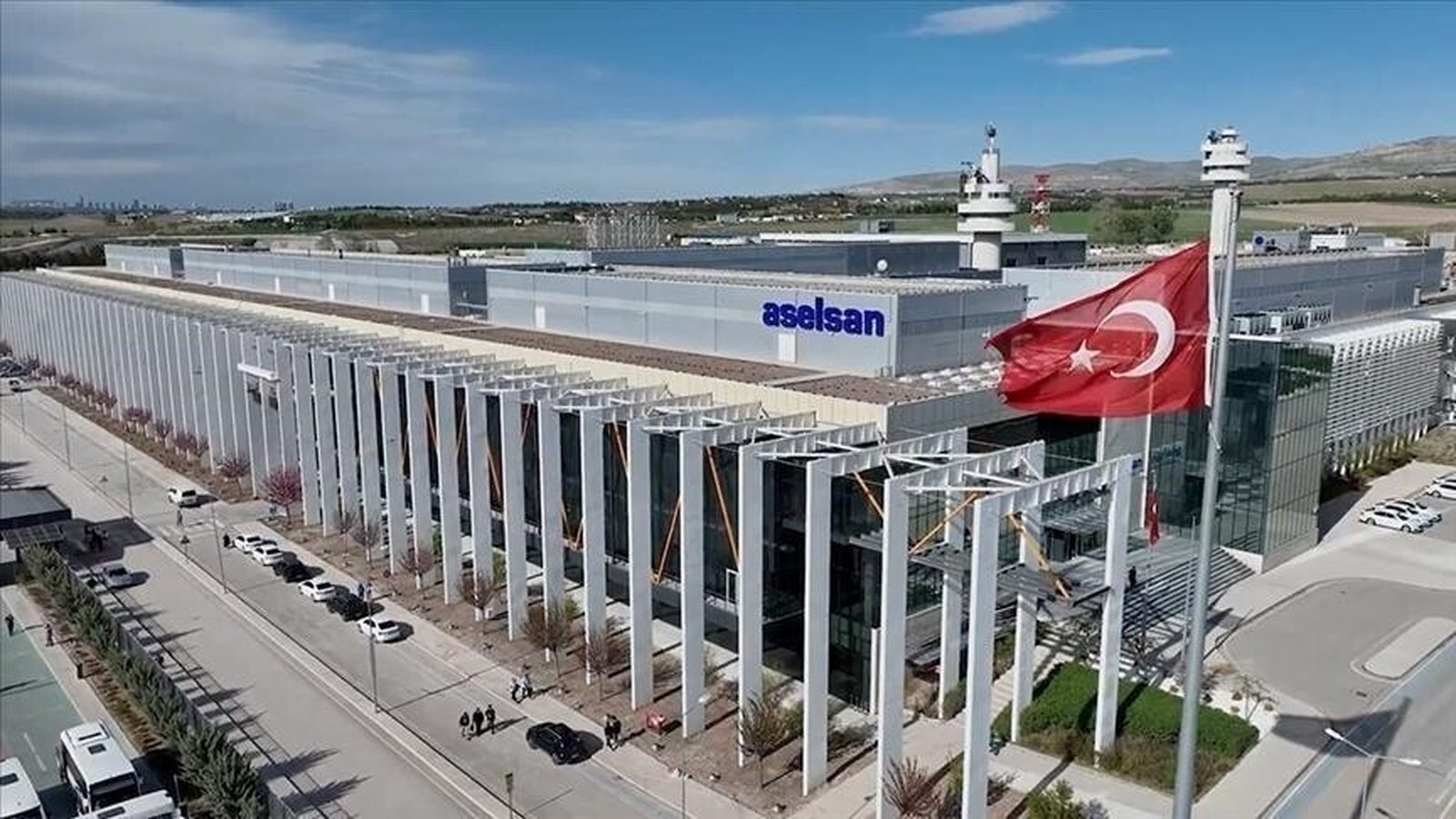
ASELSAN announced via the Public Disclosure Platform (KAP) on 18 September that it has commissioned its Guidance Systems Production Centre, a $56 million investment with 17,865 square metres of enclosed space. The company said it is continuing its strategic investments to meet growing order volume and strengthen its production infrastructure; with the new investment, the robotics and automation infrastructure in guidance systems production has been strengthened, and delivery capacity, production speed and quality capability have been increased. Guidance systems are a common sub-component of ASELSAN's air defence, guided munition and missile programmes.
750 Firms on KAAN, 1,000 on SİPER: SSB Extends New Supplier Drive Across Anatolia
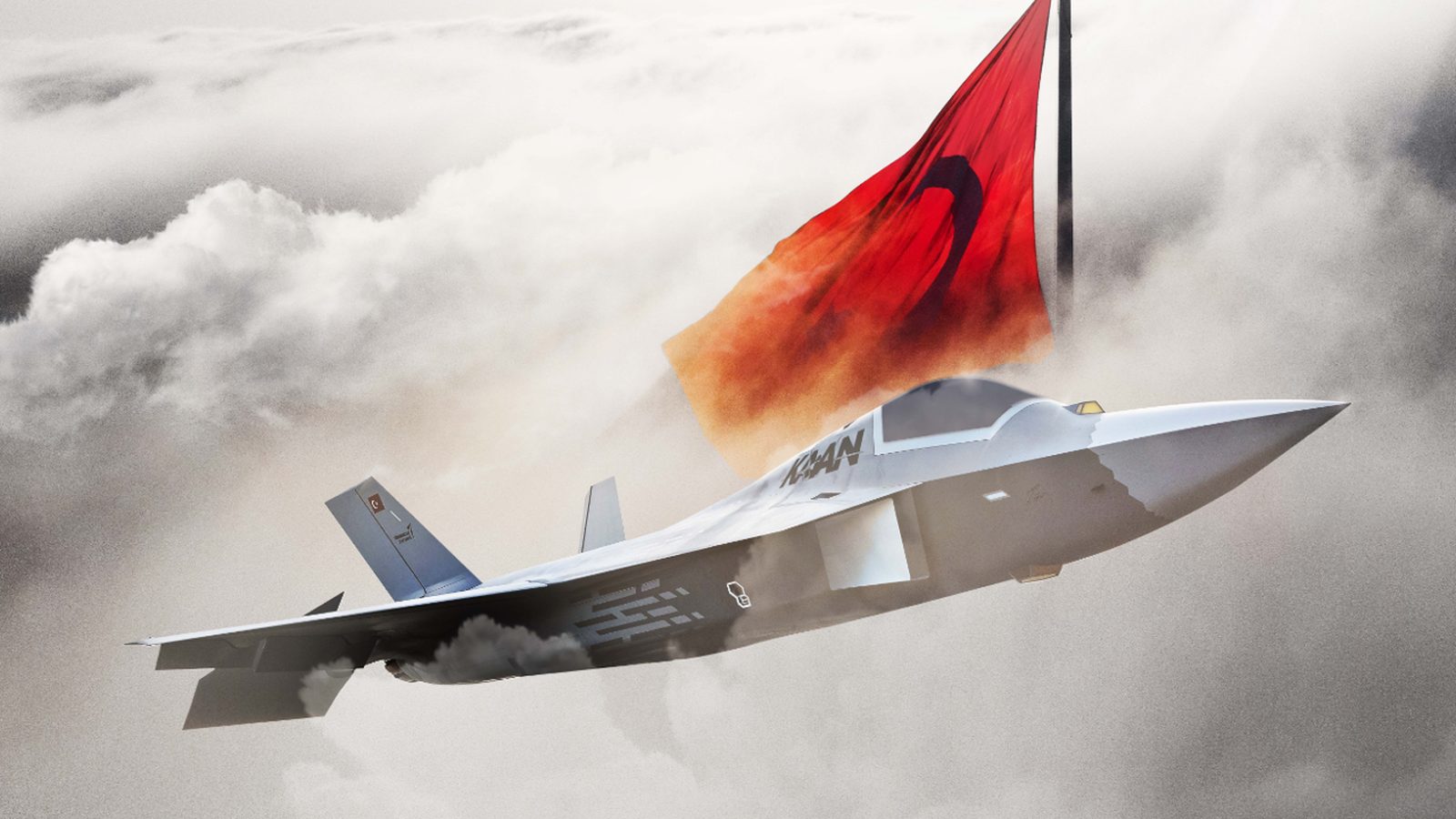
SSB President Haluk Görgün announced that around 750 companies are working on the KAAN programme and around 1,000 on the SİPER programme, stressing that gaining new suppliers is one of the institution's priority goals. Görgün visited the facilities of MMM Mutlu Medikal Mühendislik, Er-Bakır and Aysan Raf Sistemleri in Denizli on 19 September, and his programme also included B2B meetings between ASELSAN, ROKETSAN, HAVELSAN and TUSAŞ and potential sub-suppliers. Defining the goal as "to create new suppliers for all defence products and platforms, to nationalise them and to gain technological expertise", Görgün noted that modern defence products are complex systems requiring hundreds of supporting companies.
First KAPLAN APC Passes Preliminary Acceptance Tests as Second Vehicle Is Built in Indonesia
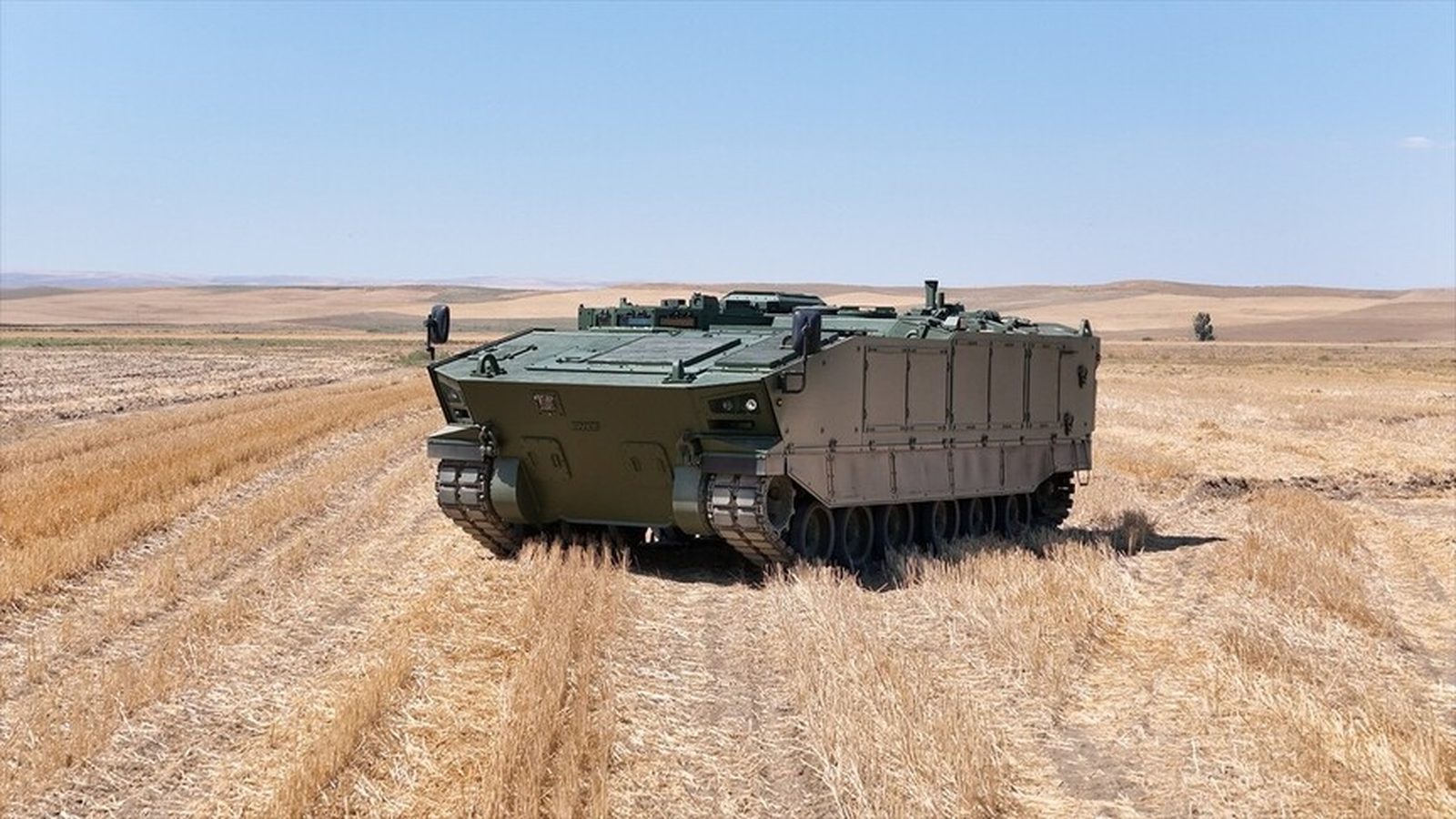
In the KAPLAN Armoured Personnel Carrier project run jointly by FNSS and Indonesia's PT Pindad, preliminary acceptance tests of the first vehicle were successfully completed in Türkiye with the participation of PT Pindad representatives, as announced on 16 September. After the vehicle is shipped to Indonesia, final acceptance tests will be carried out together with the end user. The project is based on a contract signed between PT Pindad and the Indonesian Ministry of Defence aimed at meeting the country's requirement for a 30-tonne-class tracked armoured personnel carrier; while the first vehicle was produced at FNSS facilities, production of the second vehicle is proceeding in parallel at PT Pindad's facilities in Indonesia.
İSTİF-Class Frigate İZMİT Begins Sea Acceptance Trials
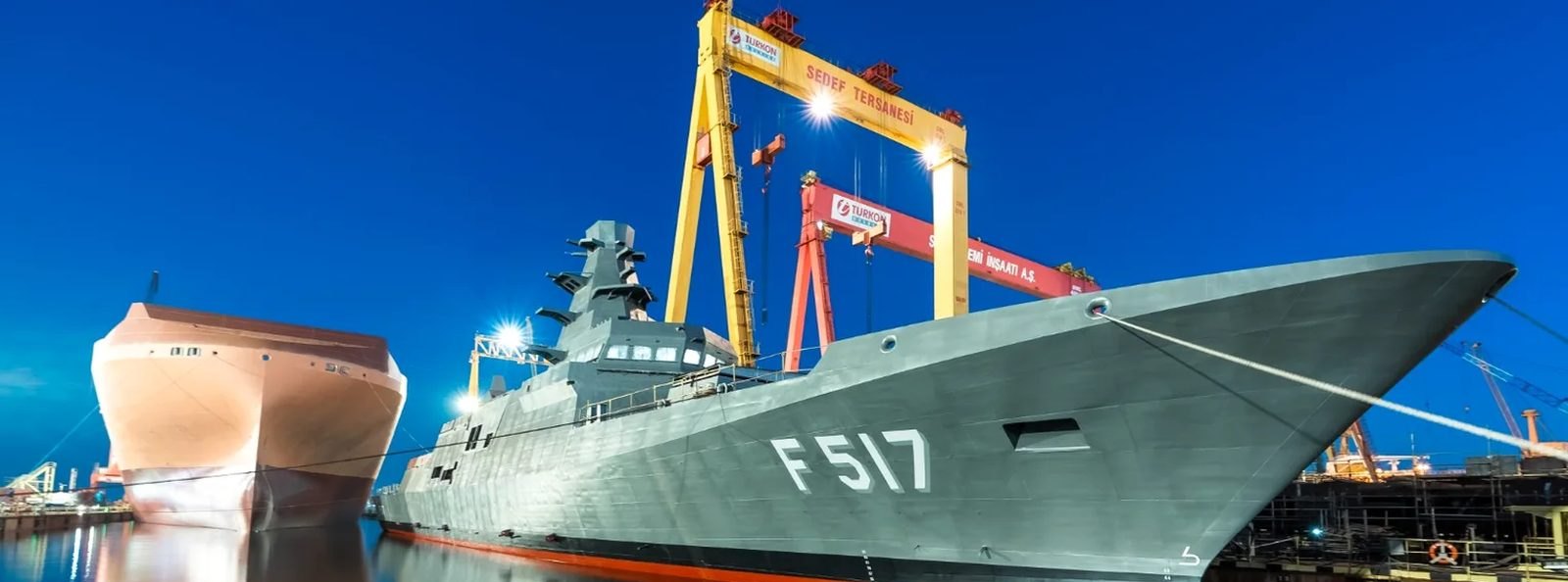
İZMİT, the latest hull of the İSTİF-class frigates, began sea acceptance trials on 15 September; her sister ship İZMİR entered the same process on 10 August. Construction and outfitting of the ship are being carried out by Sedef Shipyard under the MİLGEM 6th–12th Ships Procurement Project, while serial production is being conducted by the TAİS partnership formed by the Anadolu, Sedef and Sefine shipyards, with STM leading design integration. The approximately 113.2-metre hull has a displacement of 3,000–3,150 tonnes, a speed of over 29 knots and a range of 5,700 nautical miles at 14 knots; she carries a national vertical launch system and the CENK-S AESA radar. Three İSTİF-class frigates are targeted to enter the inventory by the end of 2026; seven hulls are under construction simultaneously, and two have been allocated for export to Indonesia.
TULPAR Completes Firing Tests with Leonardo's HITFACT MkII 120 mm Turret
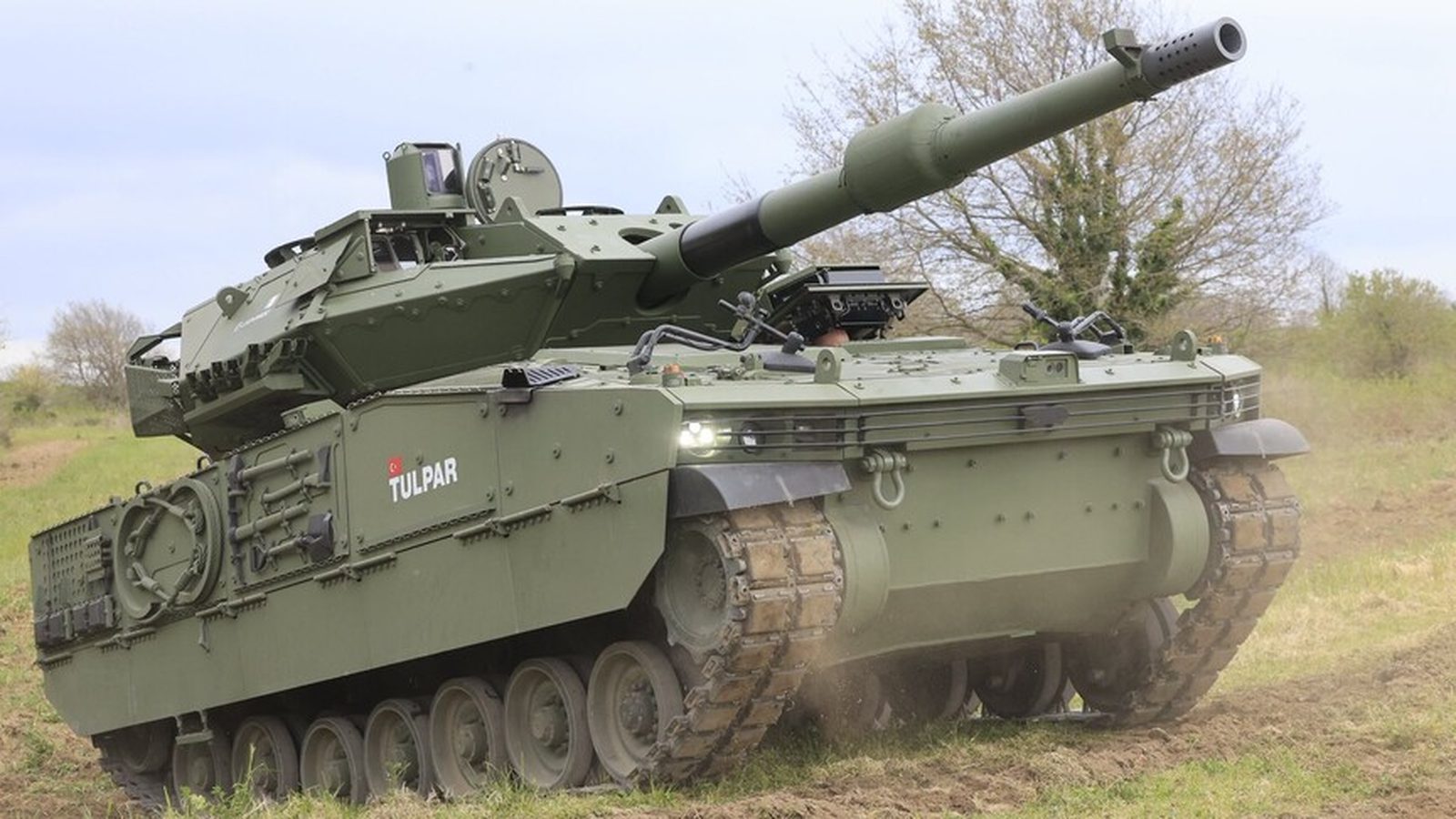
OTOKAR and Leonardo successfully completed the integration and firing tests of the TULPAR tracked armoured combat vehicle with the HITFACT MkII 120 mm turret on 18 September. Ahead of the tests, teams from the two companies carried out an integration process covering the mechanical, electrical, electronic and software interfaces between the platform and the turret; in stationary and on-the-move firings, the performance of the weapon system, fire control algorithms and stabilisation equipment, as well as hit accuracy, met the planned targets. OTOKAR Deputy General Manager for Military Vehicles Sedef Vehbi said the tests demonstrated TULPAR's capability for large-calibre turret integration, while Leonardo Defence Systems Deputy General Manager Luca Perazzo described HITFACT MkII as "the only 120 mm smoothbore system in the world that can integrate main battle tank firepower into light and medium-class platforms".
S-70B SeaHawk Conducts Air-to-Surface and Air-to-Air Firings with L-UMTAS GM and IIR TEMREN
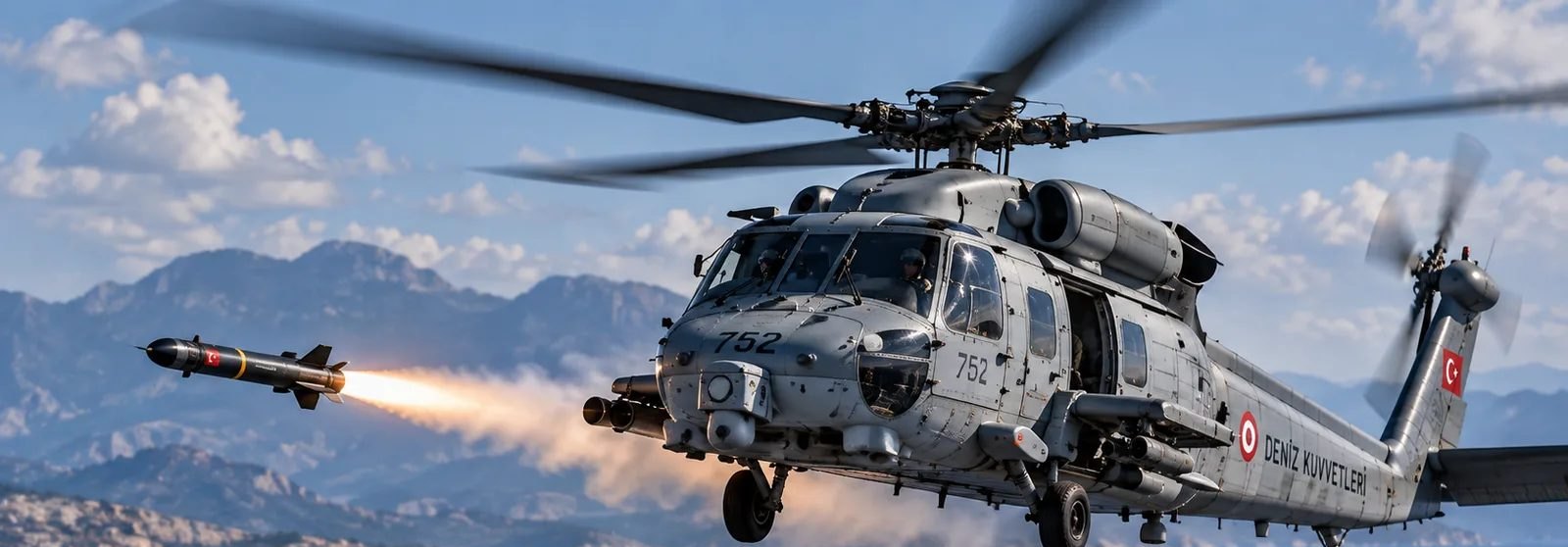
According to footage shared by the Ministry of National Defence, Turkish S-70B SeaHawk helicopters carried out both air-to-surface and air-to-air firings with ROKETSAN's L-UMTAS GM and IIR TEMREN munitions. The Ministry described the activity as alternative configuration development work under ROKETSAN's Laser-Guided Long-Range Anti-Tank Missile Range Extension Project; in other words, the firings are an integration milestone, not a declaration of acceptance into the inventory. According to ROKETSAN data, L/UMTAS-GM has a diameter of 160 mm and weighs 42 kilograms, and with imaging infrared or semi-active laser guidance options it reaches a range of 15 kilometres from land platforms and 20 kilometres from air platforms. What makes the activity technically notable is that the announcement explicitly includes an air-to-air firing profile: this points to a national option that could be used from helicopters against slow or low-manoeuvrability aerial targets.
Bayraktar TB2 Flies Mission with ASELSAN's ANTIDOT and FULMAR 200 Pods Before 18 Countries
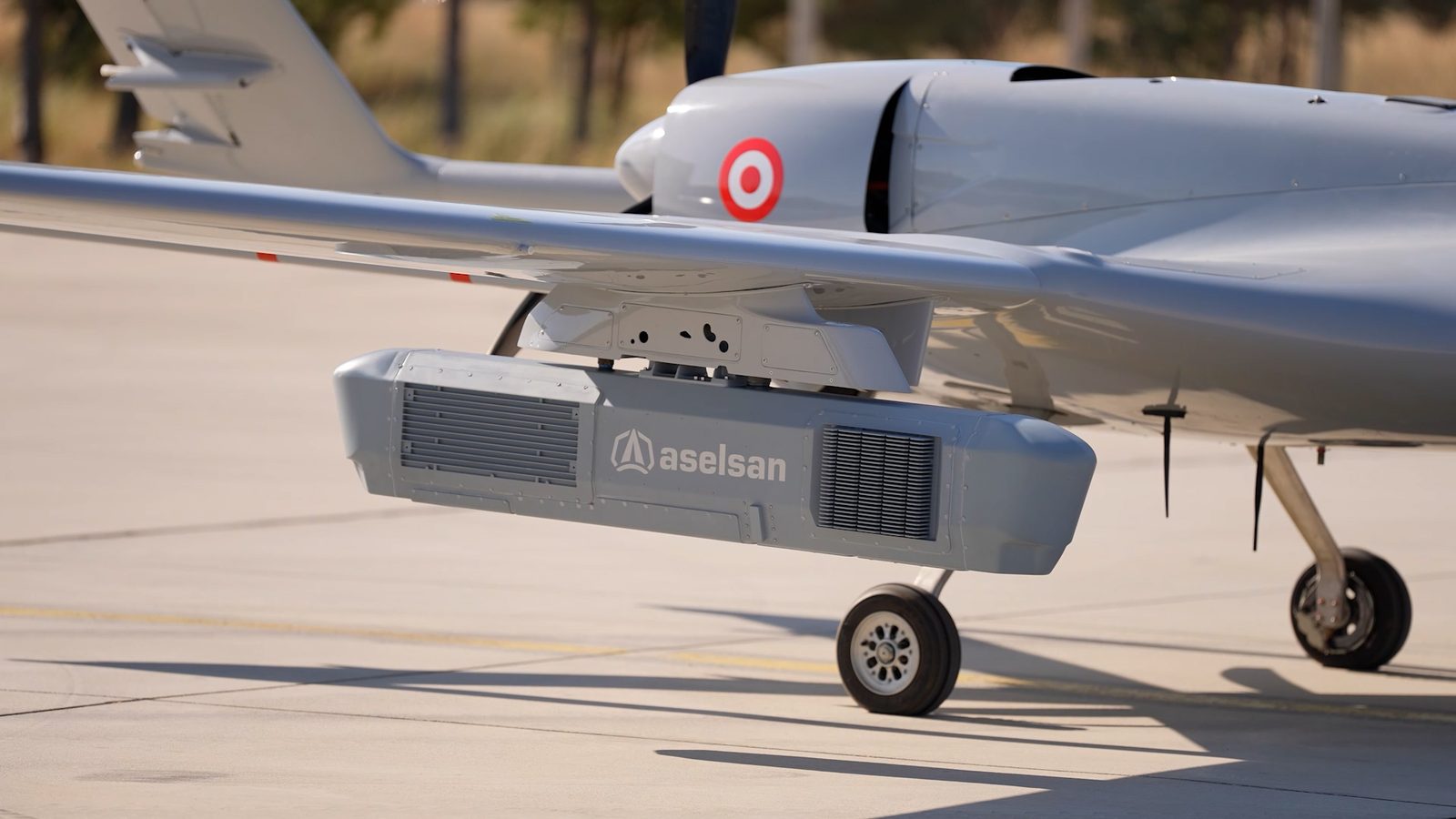
ASELSAN's electronic warfare and radar pods flew on two separate Bayraktar TB2s at an international demonstration in Konya watched by military delegations from 18 countries. One of the aircraft carried ANTIDOT 2ES 100 and ANTIDOT 2EA 200, which combines electronic support and attack in a single pod; the other carried FULMAR 200, a lightweight AESA synthetic aperture radar pod able to produce day and night imagery in Spotlight and Stripmap modes. In the scenario, ANTIDOT detected and located the target radar in flight, after which an electronic attack was carried out; the target's location was shared with FULMAR 200, and the radar confirmed the location with a high-resolution SAR image. ANTIDOT was thus tested against real radar systems on TB2 for the first time, and the interoperability of the two pods was demonstrated.
ASELSAN Fields 25 mm SMASH 300, Newest Member of SMASH Family
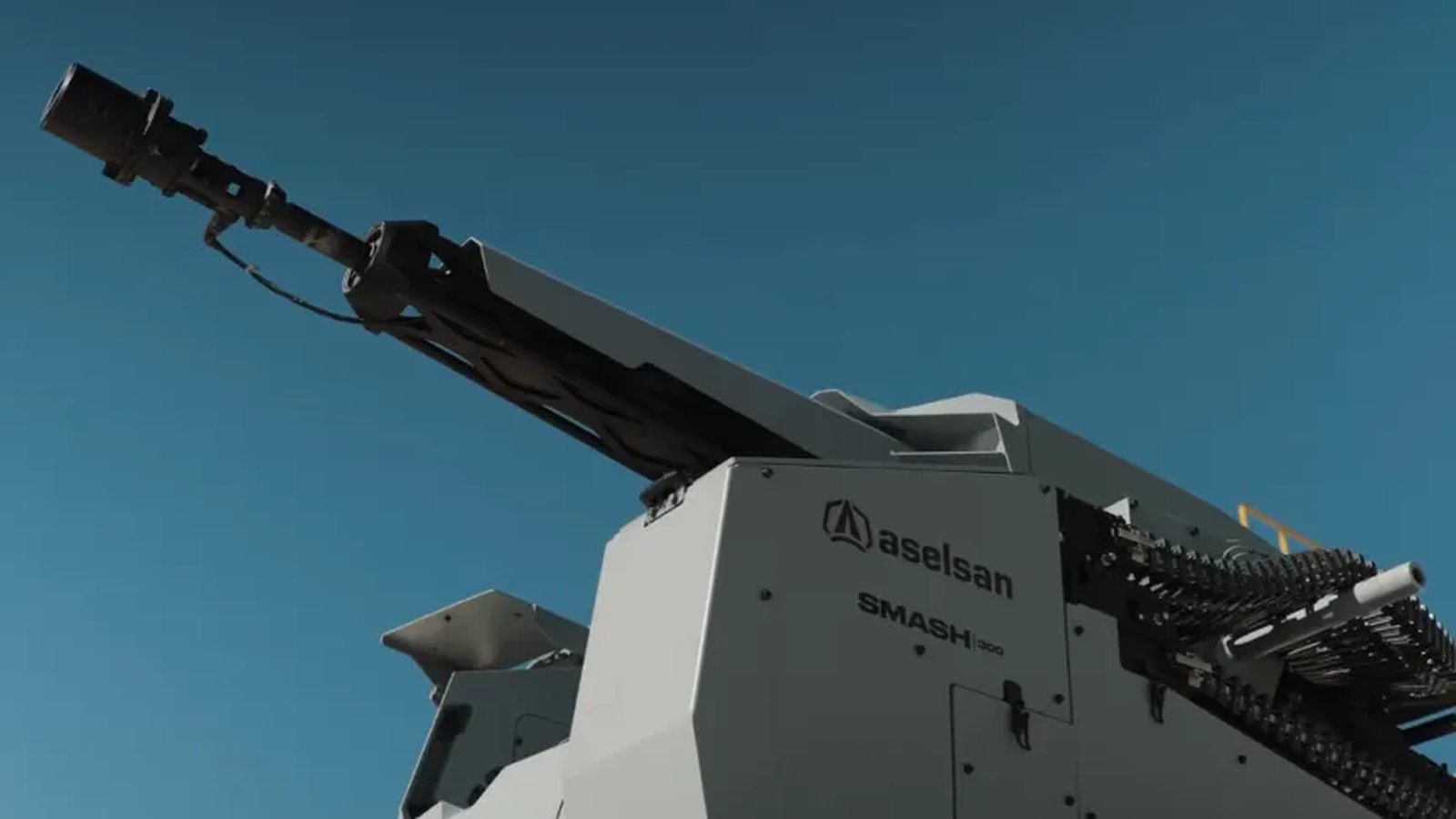
ASELSAN announced SMASH 300, the newest member of its family of remote-controlled stabilised naval weapon systems, on 19 September. The 25 mm system has been developed, with AI support and ATOM smart ammunition integration, to be effective against conventional surface targets as well as mini- and micro-class unmanned aerial vehicles, which have become a serious threat to naval platforms in recent years. The prototype's capabilities were verified in live-fire tests in Karapınar, Konya, against both ground targets and single and multiple mini-drone targets. In the SMASH family, for which four different solutions have been developed since 2006, ASELSAN has delivered more than 560 systems to 18 countries and reached a global market share of around 10% in this field.
CTech Unveils Hybrid SATCOM–LOS Communications Architecture for USV Swarms
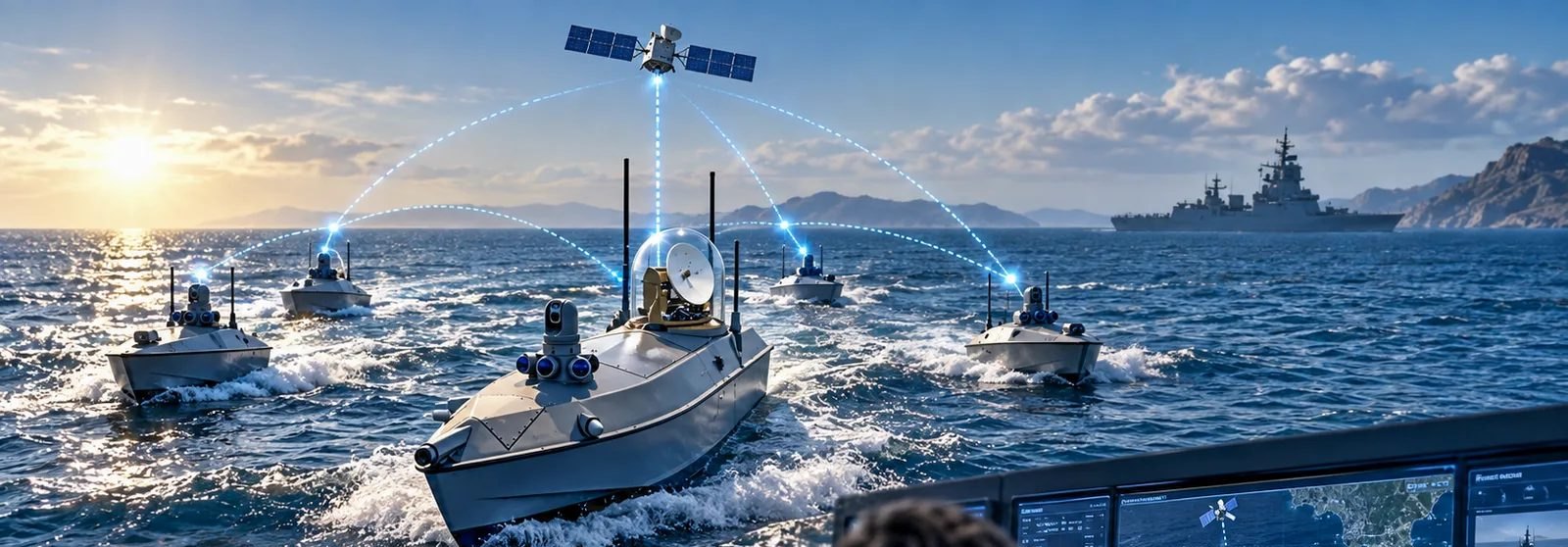
CTech, a communications company and SAHA İstanbul member, has presented a hybrid architecture linking groups of unmanned surface vessels (USVs) to a remote command centre: in a structure pairing the AquaARX maritime SATCOM terminal with the UfukLink Mini Pro line-of-sight system, only the gateway vessel carries both systems. Because the other boats, including attack and kamikaze USVs, connect via UfukLink Mini Pro, there is no need to fit a separate satellite terminal on each boat; commands flow from the command centre to the satellite, from there to the gateway vessel and on to the formation via the line-of-sight network, while live video returns the same way. According to manufacturer data, UfukLink Mini Pro offers data rates of up to 100 Mbps with mesh networking capability and a range of up to 200 kilometres in line-of-sight conditions. The material shared is a concept visualisation; a live multi-vessel sea trial has not yet been demonstrated.
HAVELSAN Takes Stake in Simulation and Smart Systems Company ETE Teknoloji

HAVELSAN has become a partner in ETE Deney ve Eğitim Değerlendirme Teknolojileri AŞ, with which it has long worked in the field of smart systems and simulation technologies. At a ceremony held at the HAVELSAN Technology Campus on 18 September, the agreement was signed by HAVELSAN General Manager Dr. Mehmet Akif Nacar and ETE Teknoloji General Manager Prof. Dr. Erdal Çayırcı; technological cooperation dating back to 2017 has thus turned into a corporate partnership. HAVELSAN and ETE, which develops the hymots®, etecube® and nginr® solutions for computer-assisted wargaming, exercises and experimentation, aim to strengthen their simulation and training portfolio, establish international wargaming centres and provide consultancy, maintenance and operation services to these centres.
ASFAT and KEYVAN Aviation Sign Cooperation Protocol on Military Aviation Data
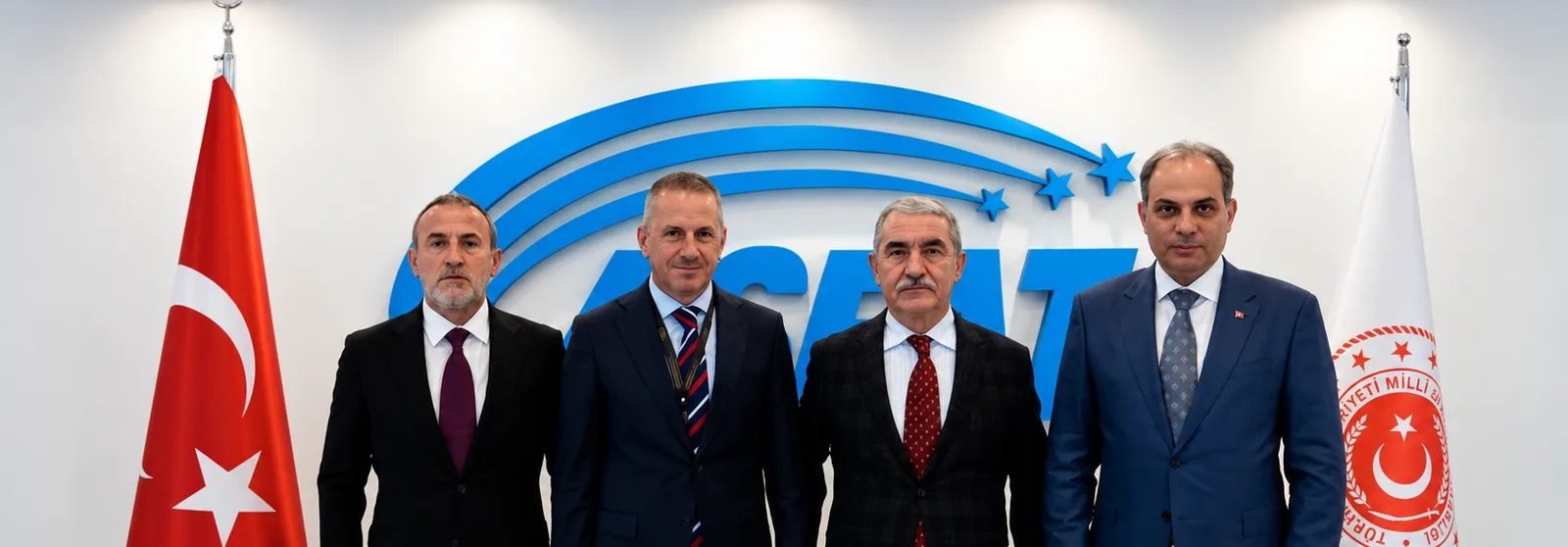
ASFAT and KEYVAN Aviation have signed a cooperation protocol to meet military aviation data needs with domestic capabilities and to develop joint defence and aerospace projects; the protocol was signed in Istanbul on 7 September and announced on 15 September. The cooperation combines the project management, procurement and international business development strength of ASFAT, which operates under the Ministry of National Defence, with KEYVAN's capability in certified navigation and aviation data production. KEYVAN states that it conducts database production under an EASA Type 1 DAT Provider certificate and supplies ARINC 424-format data, special procedures, military airspace information and data sets tailored to aircraft, avionics and simulators. Less visible than aircraft, radars or missiles, this layer also has value in export packages as navigation database and mission planning support.
İŞKUR, SSB and HAVELSAN Sign KOVAN Protocol to Train 500 Young People in Enterprise Resource Planning
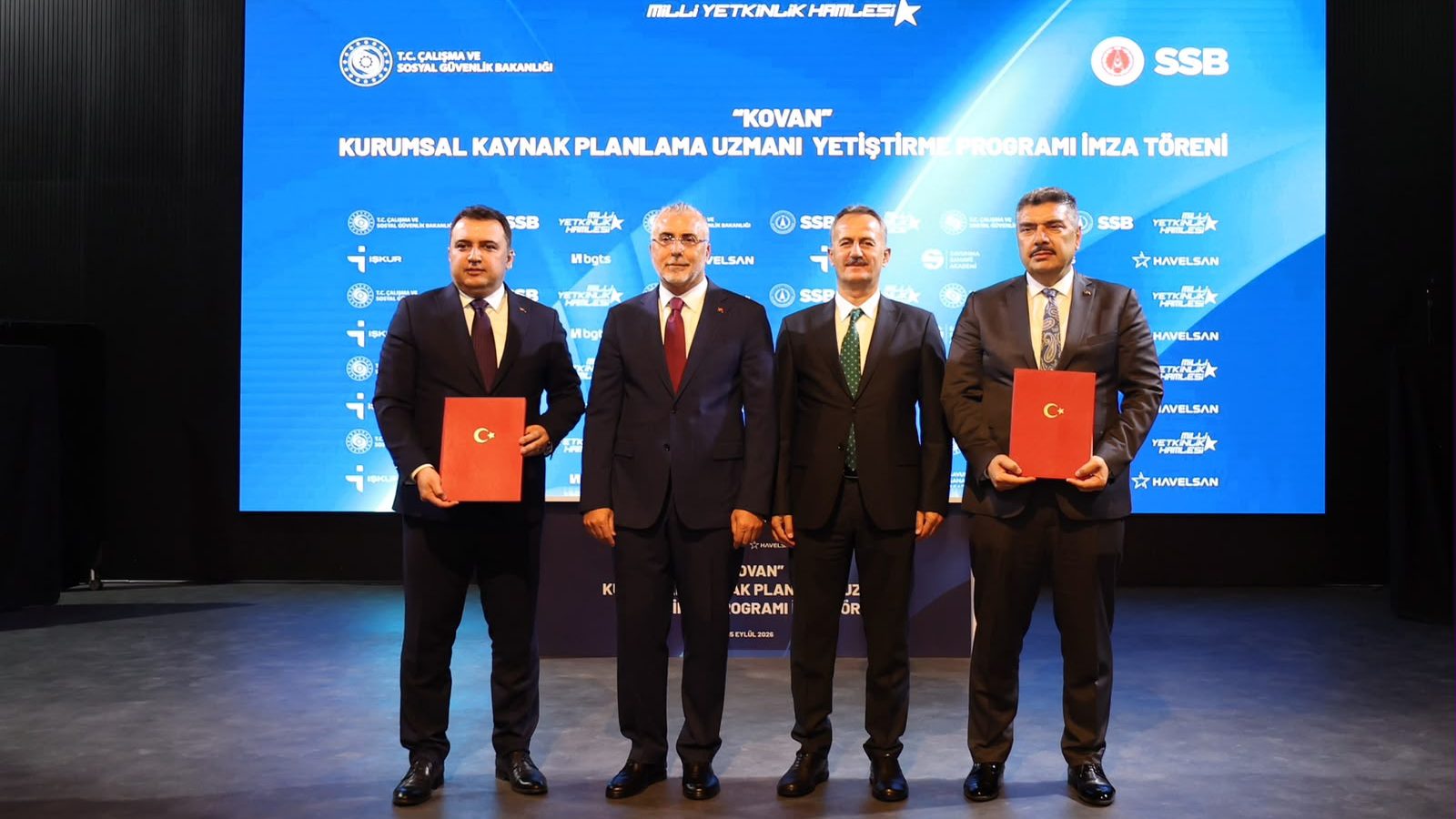
A KOVAN Programme cooperation protocol aimed at strengthening the defence industry's qualified human resources has been signed between the Turkish Employment Agency (İŞKUR), the Presidency of Defence Industries and HAVELSAN. The ceremony was held at HAVELSAN's facilities in Ankara on 15 September with the participation of Minister of Labour and Social Security Prof. Dr. Vedat Işıkhan. Under the programme, developed as part of the National Competence Initiative run by SSB, 500 university graduates aged 18–30 will undergo comprehensive training on KOVAN, HAVELSAN's national enterprise management system; around TRY 45 million has been allocated for the training.
MKE Hosts 36 Military Attachés from 32 Countries at Ankara and Kırıkkale Facilities
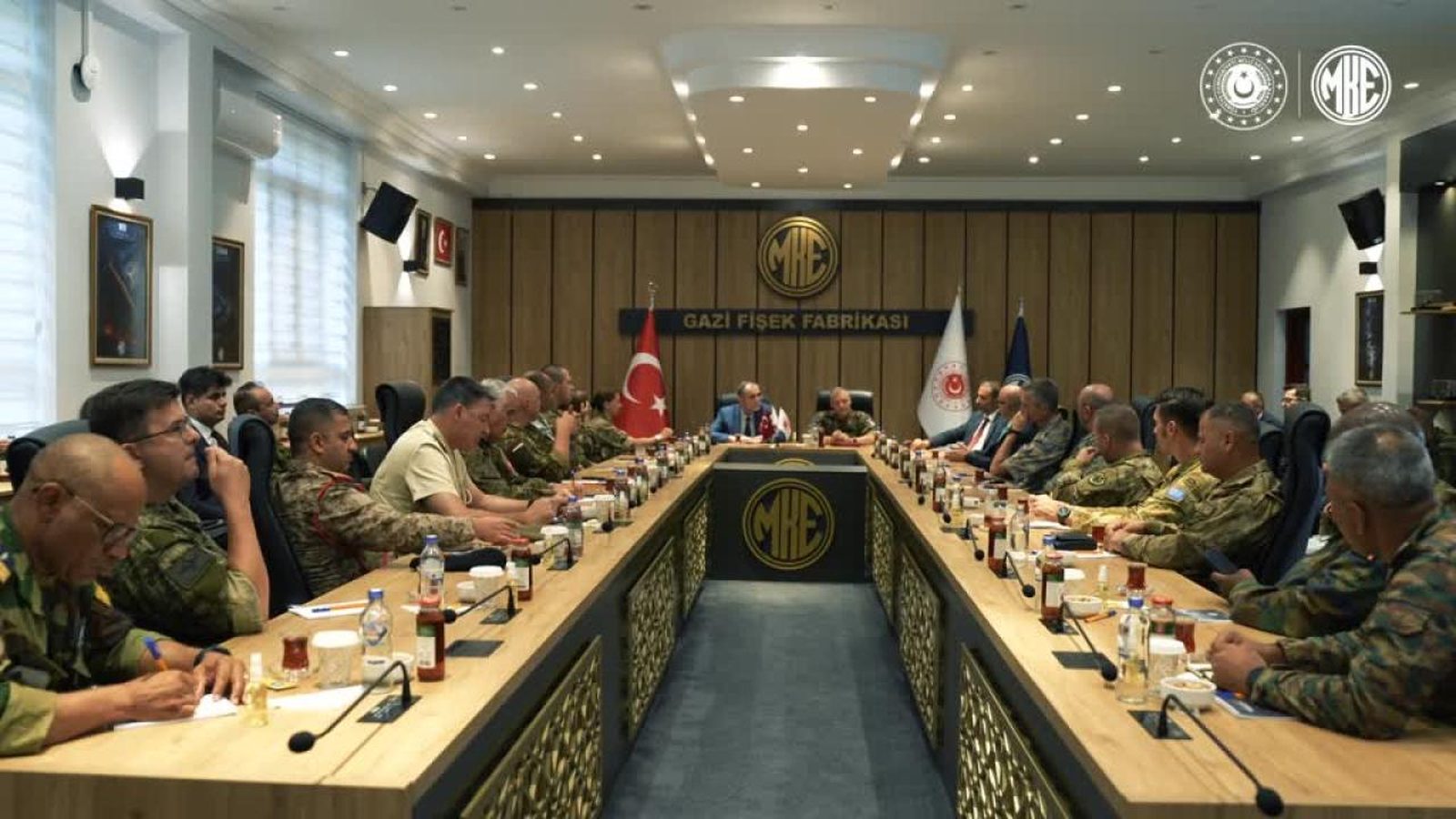
As part of the Ankara Military Attachés Corps (AMAC) programme, 36 military attachés from 32 countries, including the United States, the United Kingdom and France, visited the facilities of Makine ve Kimya Endüstrisi (MKE). The delegation's first stop was the MKE Gazi Cartridge Factory, which produces more than 250 million rounds of small arms ammunition a year in 10 different calibres and 54 different types. Moving on to Kırıkkale, the attachés were briefed at the weapons factory on national infantry and sniper rifles and, after touring the production lines, fired the national infantry rifle MPT-55 at the firing range; the programme concluded with a visit to the MKE Ammunition Factory.
"ASELSAN–ASELSAN.NET Defence Industry Day" Held in Brunei Darussalam
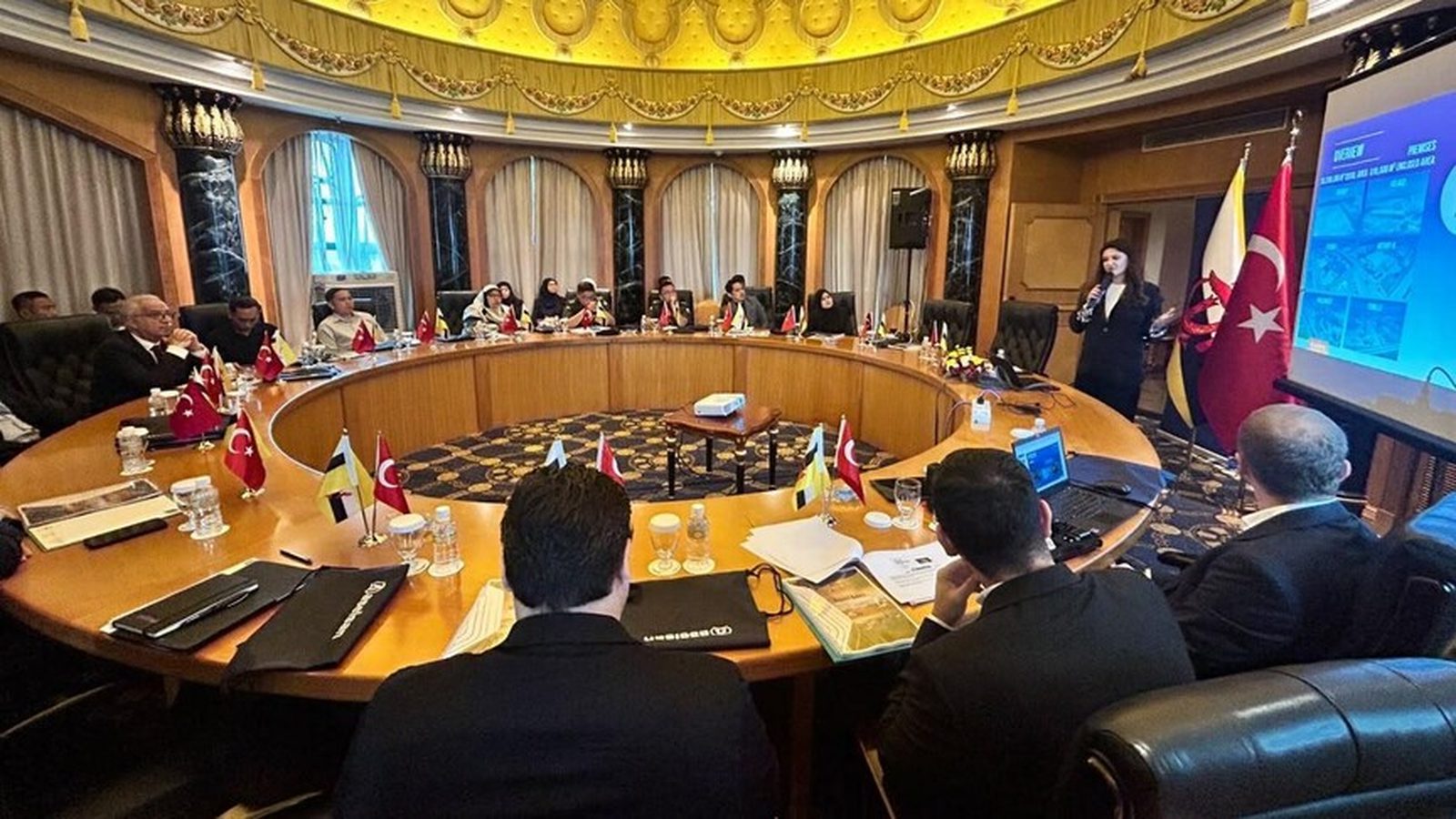
The "ASELSAN–ASELSAN.NET Defence Industry Day" was held at the Rizqun International Hotel on 15 September, hosted by Türkiye's Embassy in Bandar Seri Begawan. At the event, which aimed to develop cooperation between the two countries in the defence industry, advanced technology and security, the companies' capabilities were presented to relevant Bruneian institutions in two sessions, one in the morning and one in the afternoon; the event was opened by Ambassador Prof. Dr. Hamit Ersoy. Contacts continued on 16 September, when the delegation made on-site visits to Brunei's E-Government National Centre, Cyber Security Brunei and the Royal Brunei Police Force.
Görgün Discusses Defence Industry Cooperation Opportunities with Japanese Delegation
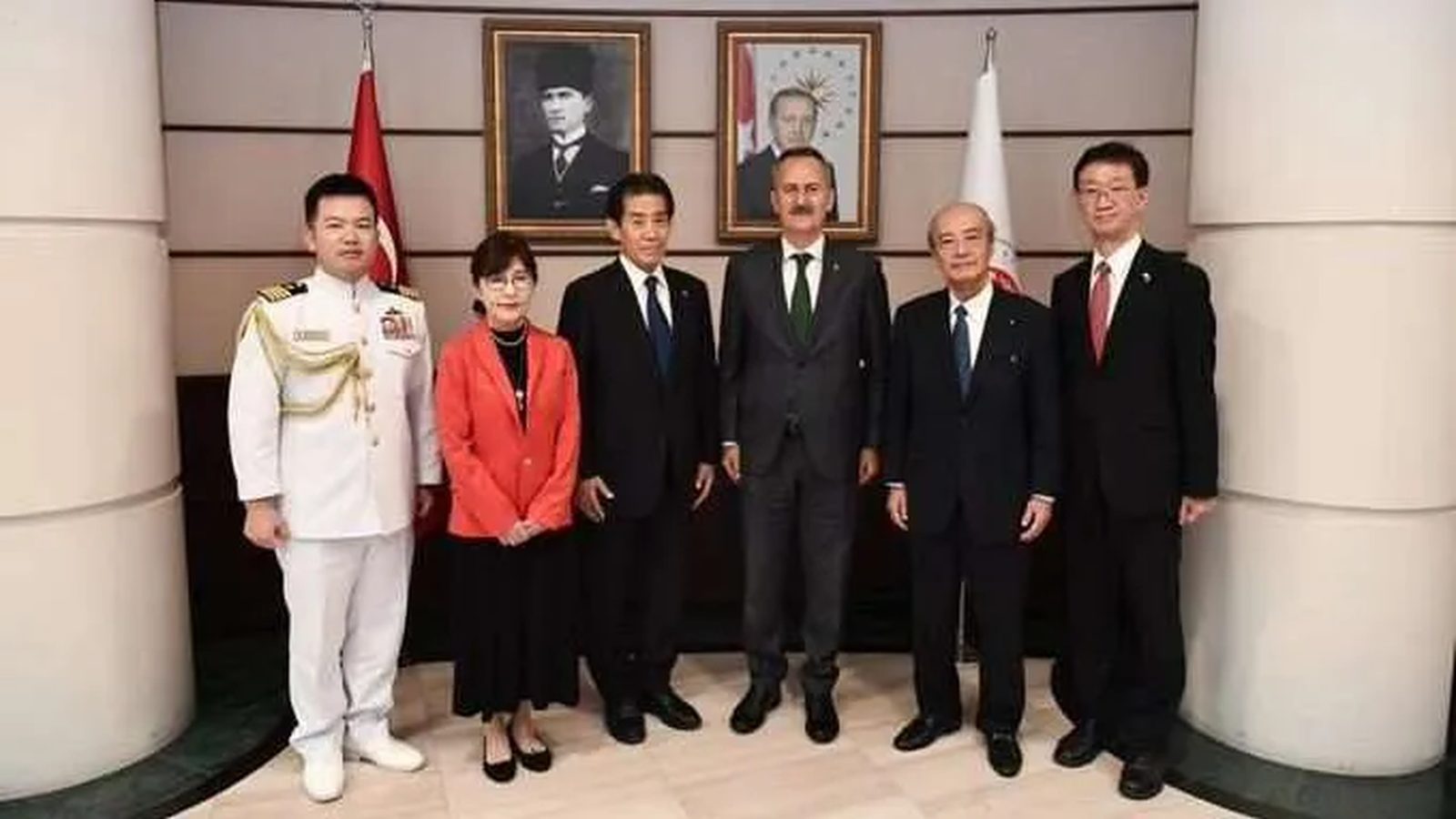
On 17 September, SSB President Haluk Görgün received Ichiro Aisawa, Chairman of the Türkiye-Japan Inter-Parliamentary Friendship Group, and his accompanying delegation. According to SSB's statement, the meeting addressed cooperation opportunities that could be developed in the defence industry, as well as technology- and competence-focused joint work topics; the parties exchanged views on potential areas that could combine the two countries' defence industry capacities. Coming at a time when Japan is gradually easing its defence export restrictions, the contact means a new counterpart in the Asia-Pacific for the Turkish defence industry.
Türkiye–Brazil Defence Industry Cooperation Agreement Ratified

Presidential Decision No. 11799 on the ratification of the Defence Industry Cooperation Agreement signed between Türkiye and Brazil on 25 March 2022 was published in the Official Gazette dated 18 September 2026. The agreement had been approved by the Grand National Assembly of Türkiye on 23 June 2026; Brazil had previously completed its domestic approval process and published the text in its own official gazette on 10 September 2025. Covering joint projects, production, technology transfer and the mutual procurement of defence products, the agreement moves relations between the two countries from project-based contacts onto a footing anchored in a legal framework.
Technical Process Begins for Titanium Alloy Investment in Denizli: 90 Firms, 400 Bilateral Meetings
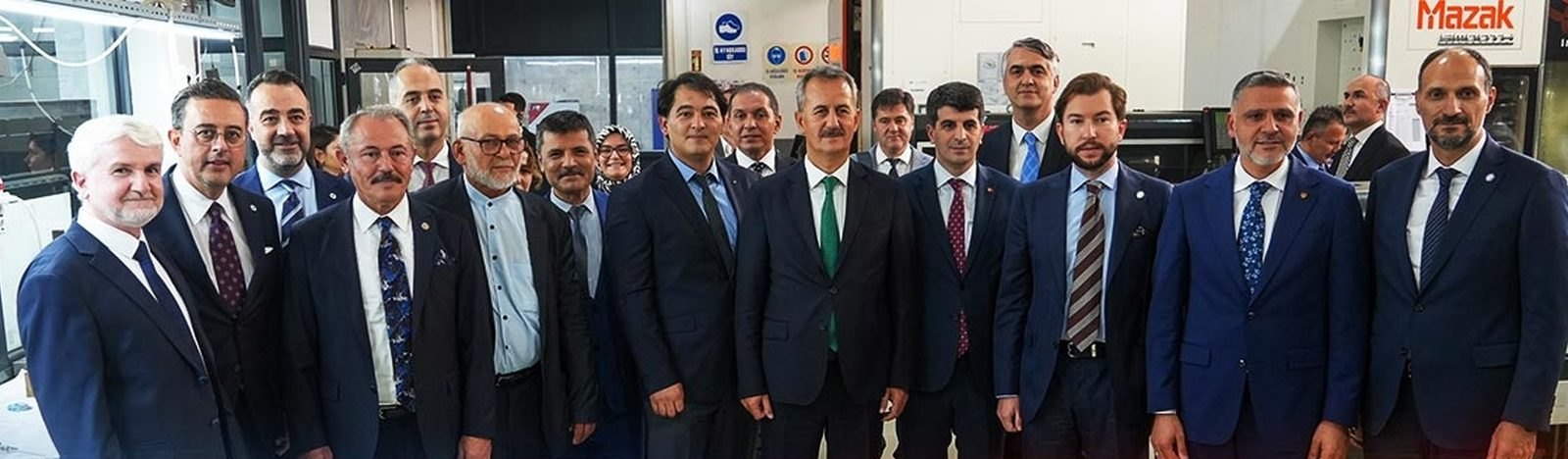
The titanium alloy and high-grade semi-finished products investment planned for the city was discussed at the "Denizli Defence Industry Provincial Meeting", hosted by the Denizli Chamber of Industry with the participation of SSB President Haluk Görgün; during the programme, 90 Denizli companies held a total of 400 bilateral business meetings with prime contractors. At the meeting, attended by representatives of ASELSAN, HAVELSAN, ROKETSAN, TUSAŞ, STM and TEİ, Denizli Chamber of Industry (DSO) Chairman Selim Kasapoğlu said that feasibility studies for the investment are ongoing, that they had evaluated the investment model with the city's industrialists on 3 September, and that the work had been presented to SSB and received positively. Recalling that Denizli made around $4.7 billion in exports in 2025, Kasapoğlu stressed that the share of medium- and higher-technology products in exports has reached 63.5%, while the share of high-technology products still remains at around 0.1%.
Denizkurdu-I/2026: Exercise in Three Seas with 100 Ships, 50 Aircraft and 14,000 Personnel
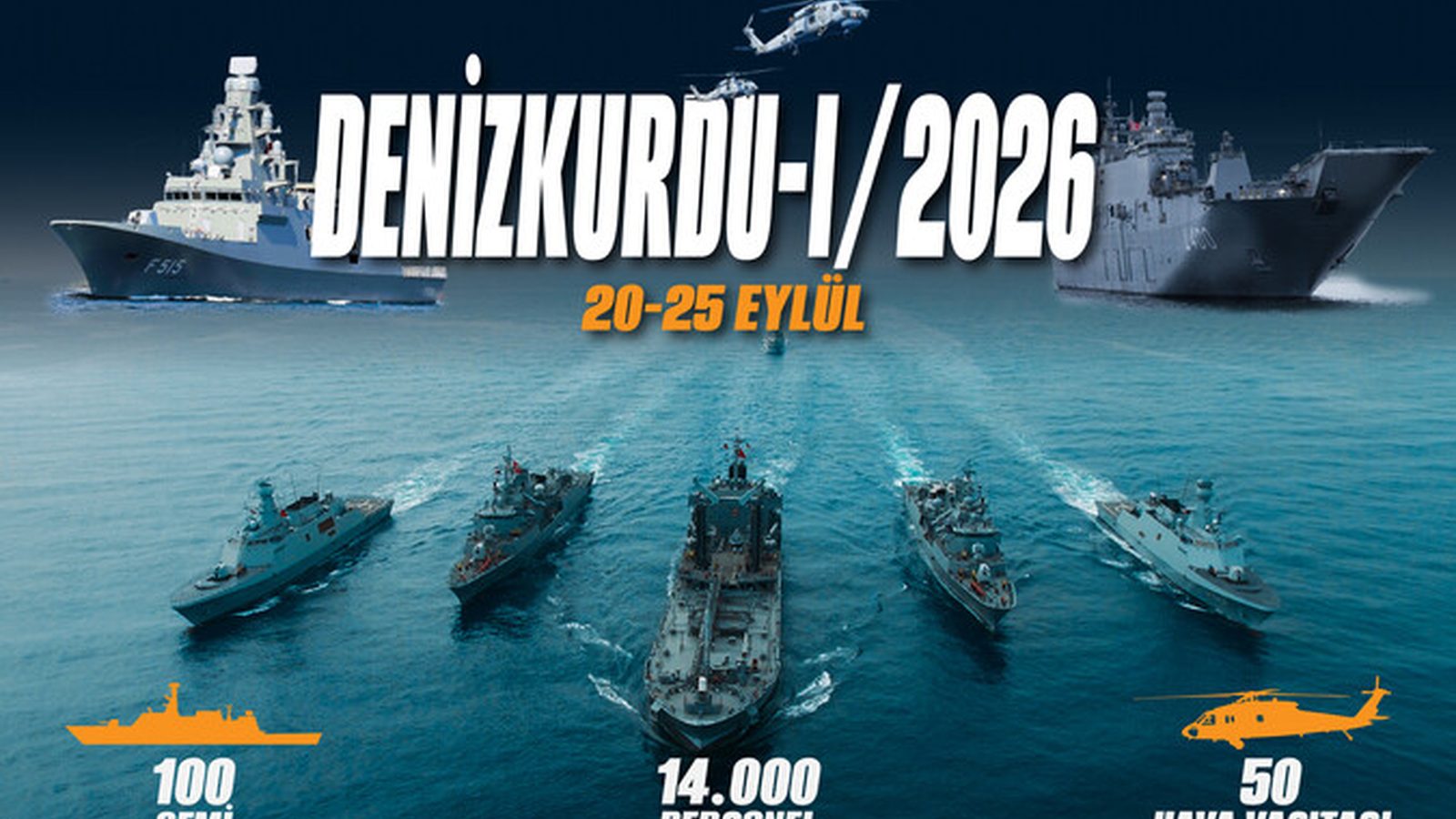
The Denizkurdu-I/2026 Exercise announced by the Ministry of National Defence is being held in the Black Sea, the Aegean and the Eastern Mediterranean on 20–25 September, with the participation of 100 ships, 50 aircraft and 14,000 personnel. In addition to Naval Forces Command assets, elements of the Land Forces, the Air Force and the Coast Guard Command are also taking part in the exercise. One of the highlights will be the Distinguished Observer Day to be held aboard TCG Anadolu in the Eastern Mediterranean on 24 September, where the interoperability of units from different service commands will be demonstrated in the field.
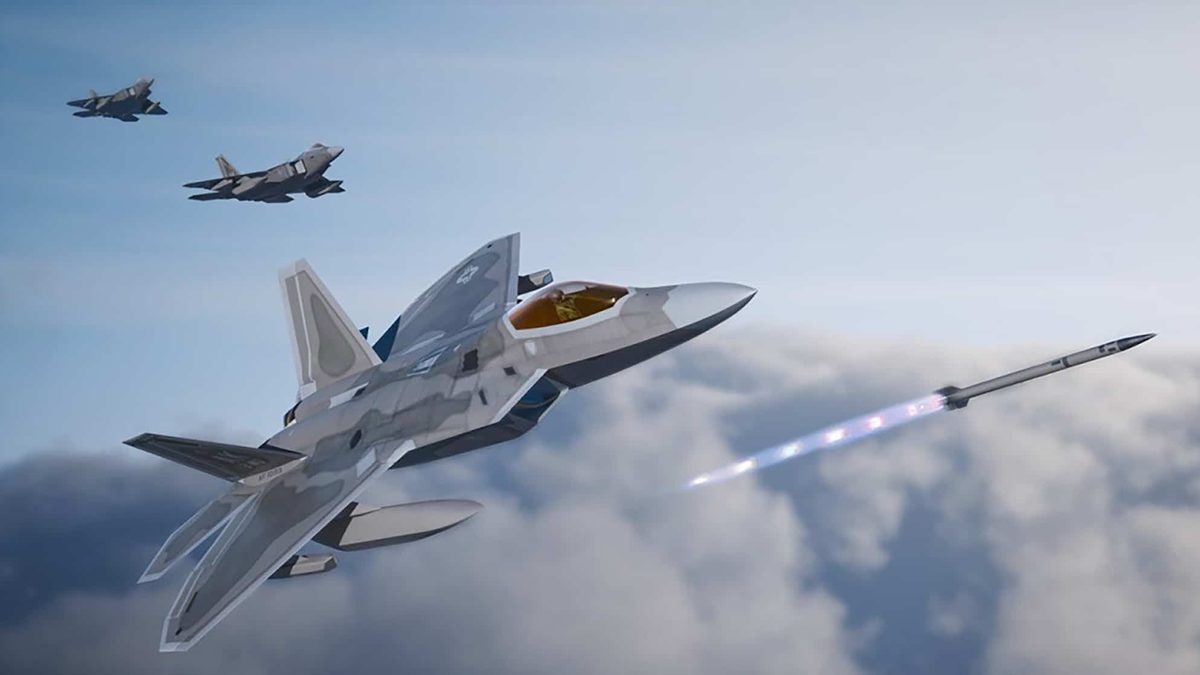
Pentagon and Lockheed Martin Sign Framework Agreement to Accelerate Production of Secretive AIM-260 JATM
Announced on 17 September, the agreement lays the groundwork for a multi-year procurement contract for the AIM-260, a long-range air-to-air missile developed in secrecy for years. The agreement is not an order; it is a long-term demand signal that will allow Lockheed Martin and its suppliers to invest in capacity, workforce and production efficiency. Australia is the first international customer for the missile, which will be used on the F-22 and F-35.
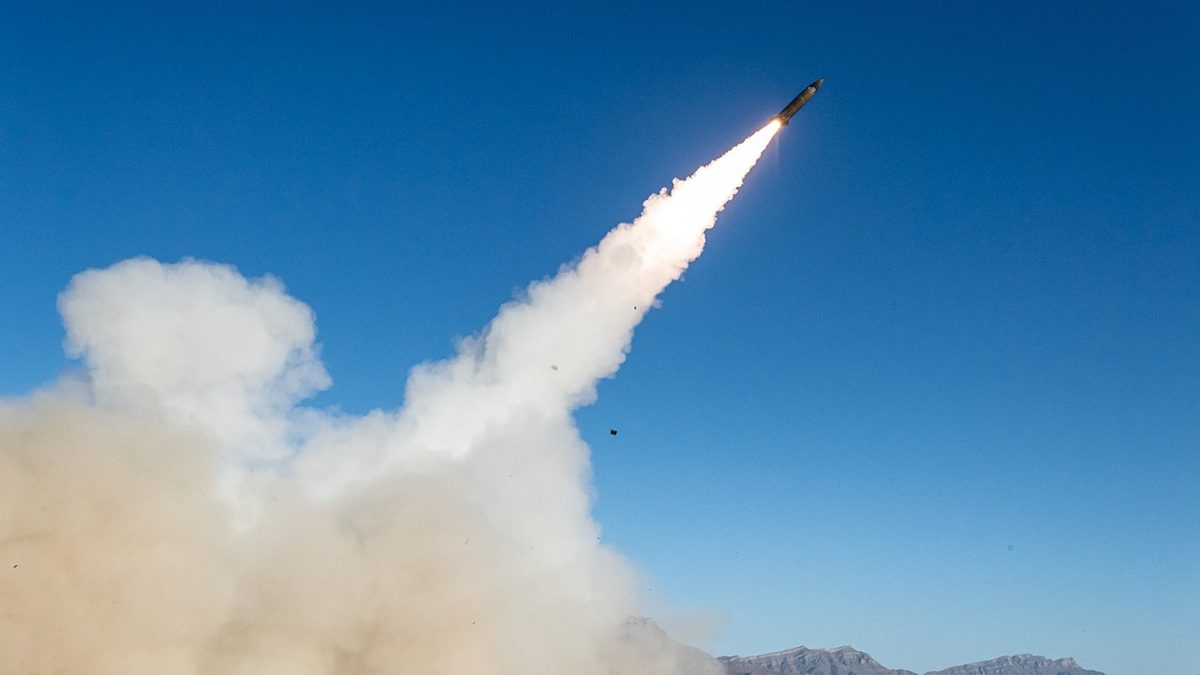
US Army Awards Lockheed $1.2B Production Contract for Ship-Killing PrSM Increment 2
The early operational capability contract announced on 15 September covers production of PrSM Increment 2, which is fitted with a multi-mode seeker and can strike moving maritime targets. The missile, with a range of around 500 kilometres, was first fired in February; the contract is expected to be completed in September 2031.
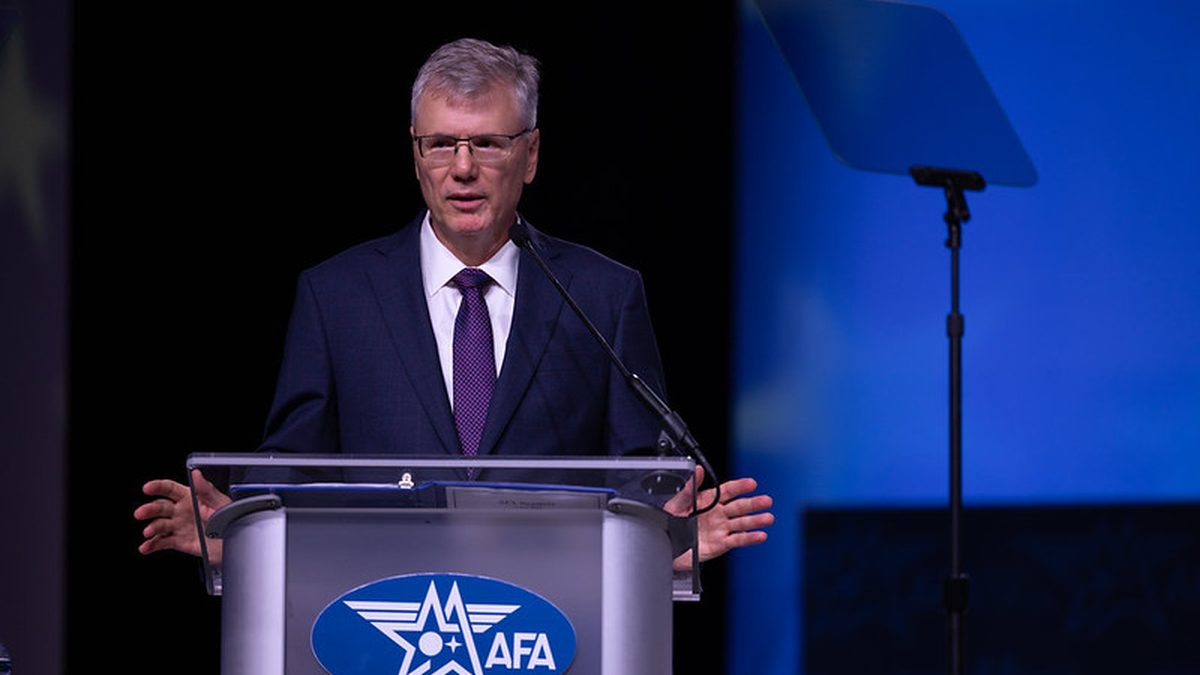
US Officially Confirms On-Orbit "Space Control Weapons" for the First Time
Speaking at the Air, Space and Cyber Conference at National Harbor on 14 September, Secretary of the Air Force Troy Meink said the Space Force has "on-orbit space control weapons that can defend the joint force against adversary activities". The type, number and mission profile of the weapons were not disclosed; Meink said the wording had been "carefully chosen".
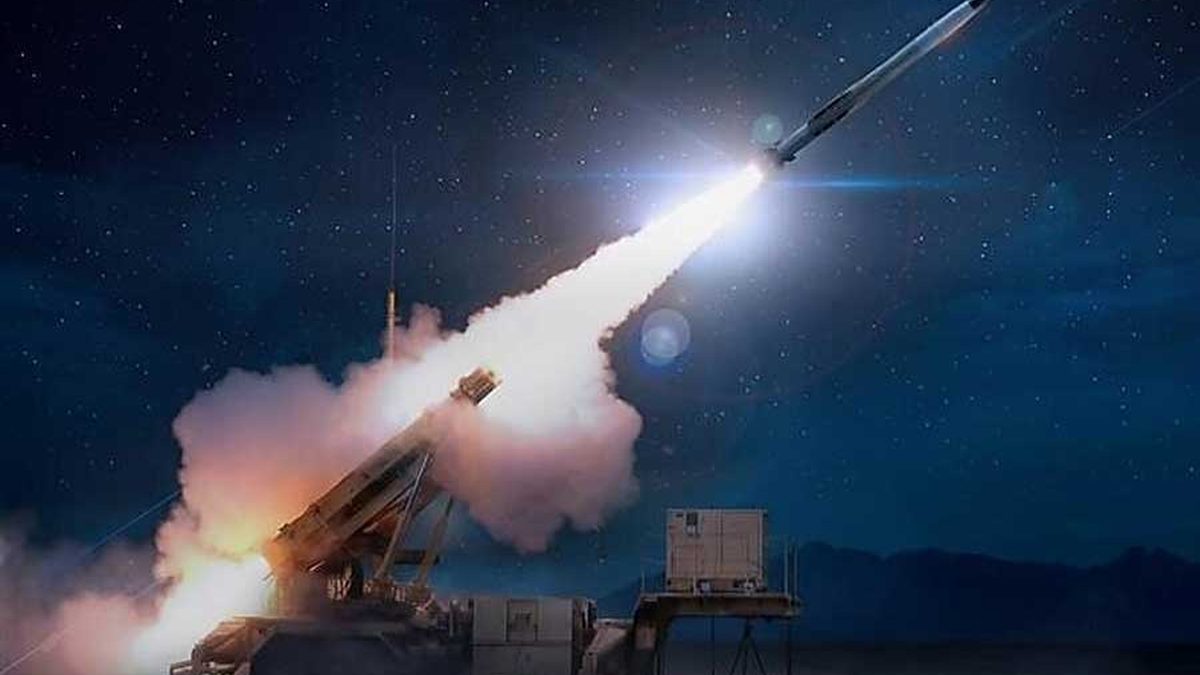
GM Defense Delivers First PAC-3 MSE Critical Parts 22 Days After Contract
The contract between Lockheed Martin and GM Defense was signed on 6 August; the first airframe components for the PAC-3 MSE interceptor were delivered on 28 August. Producing these parts, which traditionally can take months or even years, in 22 days is the first concrete result of transferring the automotive industry's high-volume production discipline to missile lines. Lockheed plans to triple PAC-3 production and expand more than 20 facilities with an $8–9 billion investment in munitions capacity.
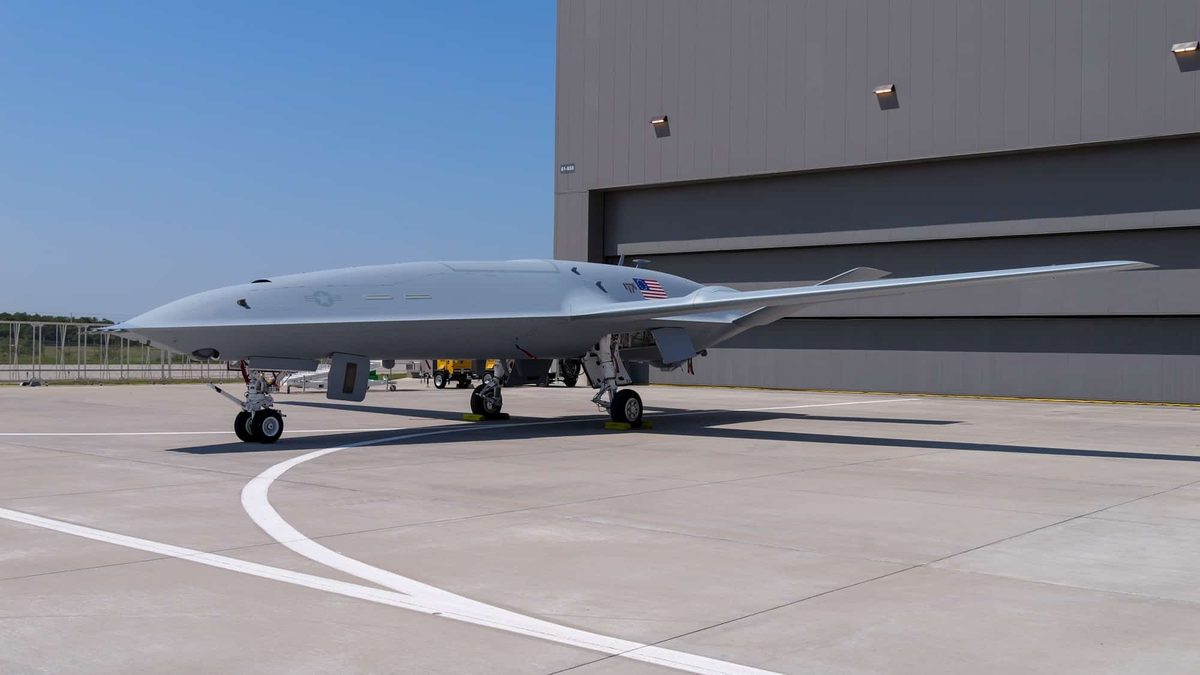
US Navy Signs First Production Contract for MQ-25A Stingray
Announced on 14–15 September, the fixed-price incentive contract covers the manufacture of three aircraft in the first low-rate initial production lot of the MQ-25A carrier-based unmanned refuelling aircraft, as well as long-lead materials for the second lot. The contract is worth around $552–562 million; first deliveries are expected to begin in 2029.
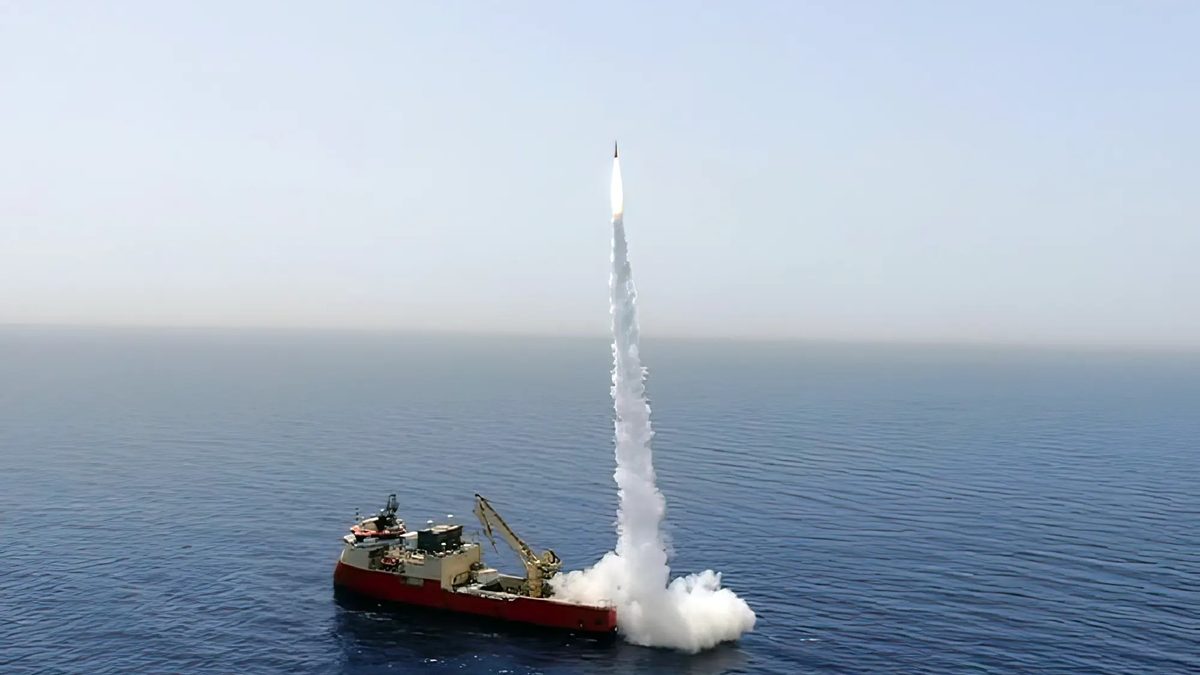
US Navy Seeks Containerised Low-Cost Interceptors Against Cruise Missiles and Drones
The "Naval Affordable Interceptor" concept, announced through a call for white papers issued on 17 September, envisages a container launcher carrying at least 60 missiles and requiring no permanent modification to the ship. Participating companies are required to be able to produce 500 interceptors a year and to field the system within 12 months of contract award.

Space Force Accelerates Sensor Layers to Track Air and Ground Targets from Orbit
According to plans reported on 17 September, the Space Force aims to move the Ground Moving Target Indicator (GMTI) programme, for which Northrop Grumman is prime contractor, into orbit "within the next two years"; AMTI capability for airborne targets is also progressing within the same architecture. The 77th Surveillance Squadron, established in August, will be the operations centre for these missions.

Joby's Autonomous Cessna Caravan Flies 3,199 Miles Across the US Without Pilot Intervention
Flying from California to North Carolina between 8 and 16 September, the converted Cessna 208B performed taxi, take-off, cruise and landing autonomously; the safety pilot made no control inputs. The flight was supervised remotely from Joby's Autonomy Centre 2,323 miles away and from Shaw Air Force Base. The core of the technology comes from the "Superpilot" system of Xwing, which Joby acquired in 2024.
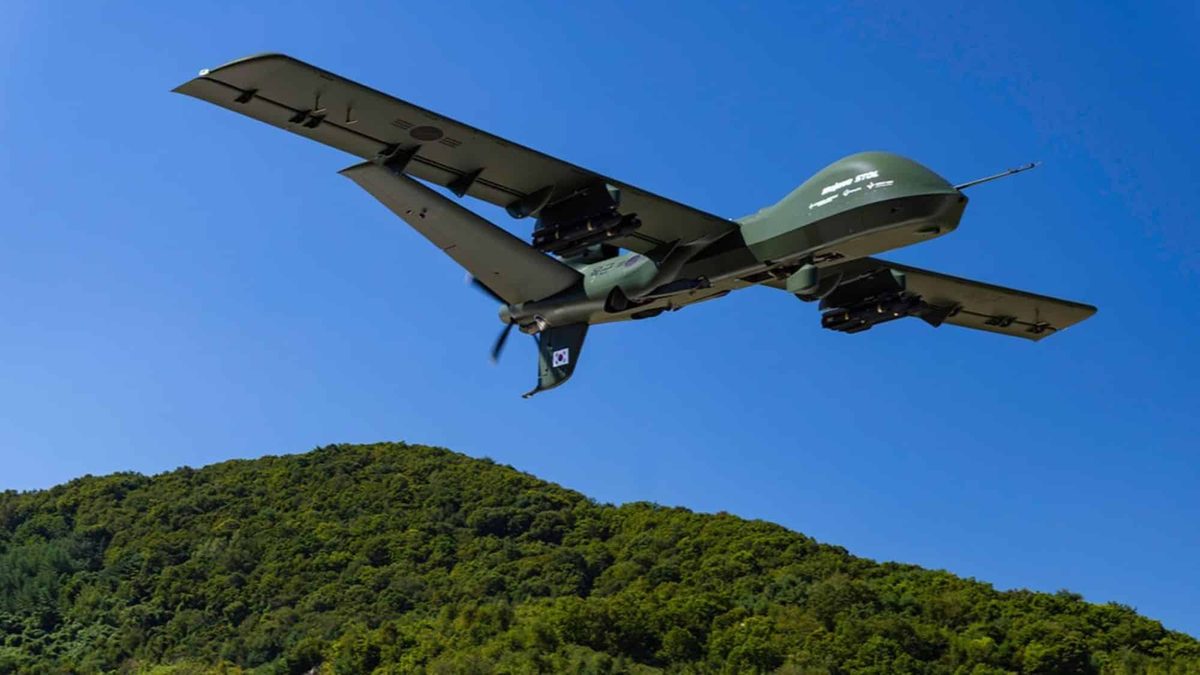
GA-ASI Mojave STOL Takes Off and Lands on a Tank Trail in South Korea
On 16 September, GA-ASI and Hanwha Aerospace conducted the first flight of a MALE-class unmanned aerial vehicle under battlefield conditions at the Seungjin Training Area in Pocheon. Mojave landed on a rough manoeuvre trail used by tanks and artillery vehicles and took off again from the same trail; its take-off run was under 200 metres and its landing run under 100 metres, while the aircraft carried inert loads on two weapon rails.
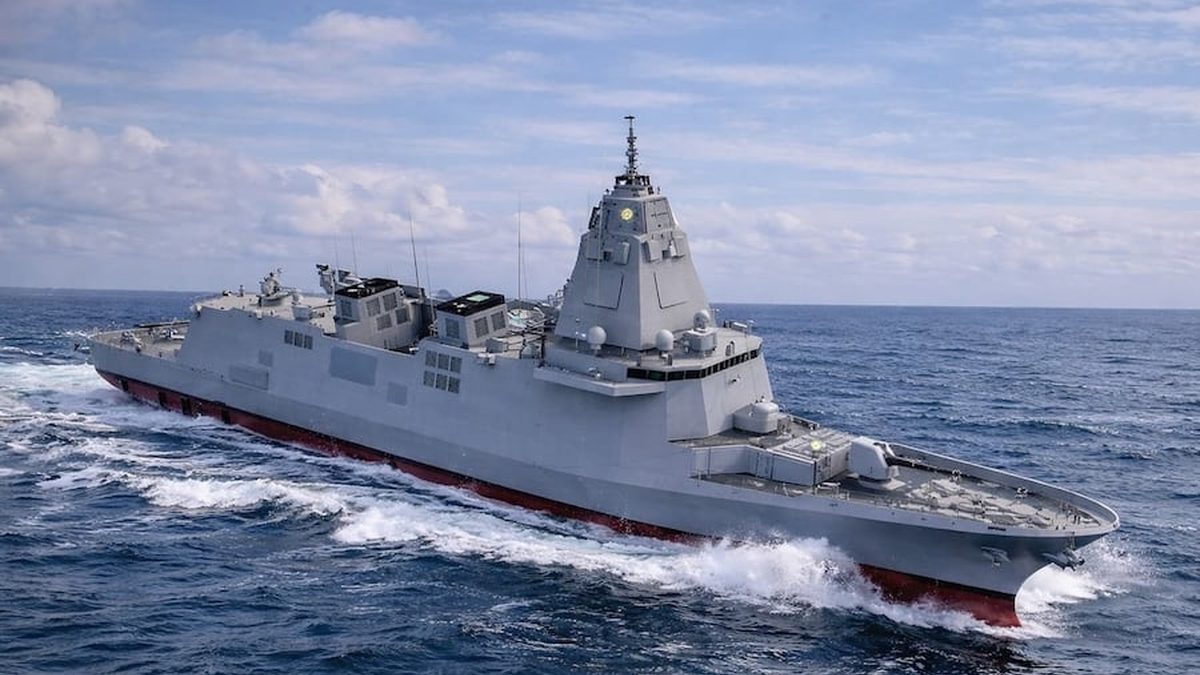
Leonardo DRS and Doosan Enerbility Agree on All-Electric Propulsion for KDDX Destroyers
Under the contract signed on 17 September, Leonardo DRS will supply power-dense 100 Series permanent magnet propulsion motors and variable frequency drives for KDDX, South Korea's indigenously designed next-generation destroyer programme; the power and propulsion system will be built together with Doosan Enerbility. The programme of at least six ships, led by Hanwha Ocean, is worth around $5.7 billion, with delivery of the first ship planned for 2032.
Never miss a development
Follow Türkiye's defence, aerospace and space agenda every week in a single stream with the SAHA Bulletin.